

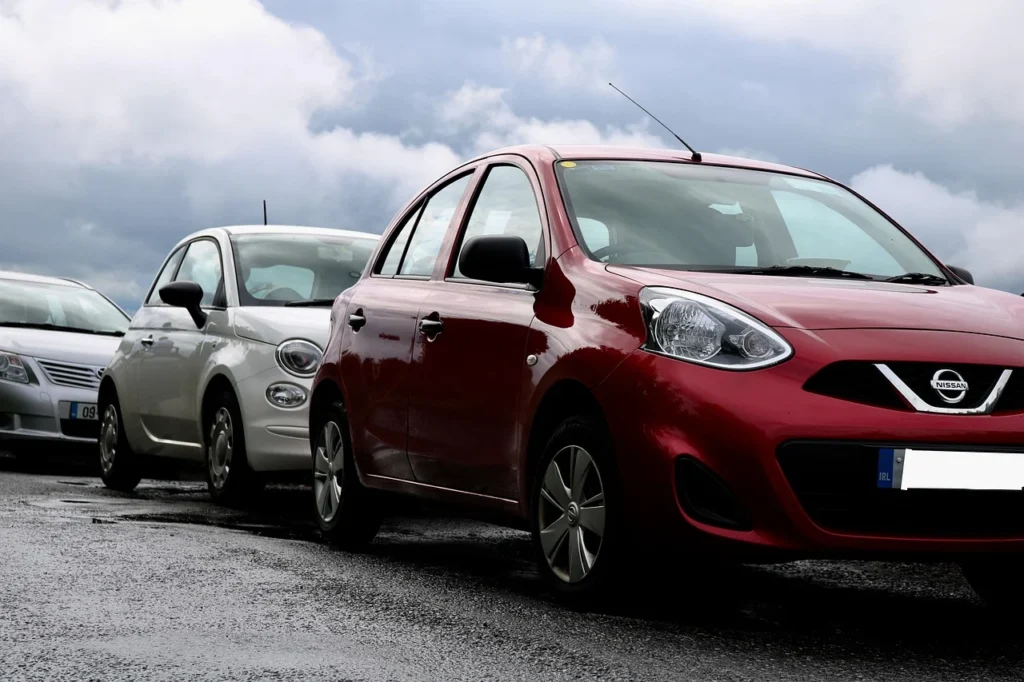
Deciding when to change your car is rarely a single, obvious moment, and more often a gradual accumulation of small signs that eventually add up to a clear picture. Whether the question is downsizing to something smaller and cheaper to run, or simply moving on from a car that no longer suits your needs, working through the decision methodically helps avoid both the mistake of hanging on too long and the mistake of changing cars unnecessarily.
Rising repair costs as a genuine signal
One of the clearest practical signs it may be time to change your car is a pattern of increasingly frequent and expensive repairs. A single significant repair on an otherwise reliable car is not necessarily a reason to sell, but a car that seems to need something new every few months, particularly when those repairs involve major components rather than routine wear items, suggests the car may be entering a phase where costs will keep climbing.
It is worth tracking repair costs over a rolling twelve month period if you suspect this pattern, since it is easy to underestimate how much has been spent when repairs are dealt with individually rather than viewed as a whole. If total repair and maintenance costs over a year start to approach or exceed what you might expect to pay in finance or depreciation on a newer car, that is a meaningful, concrete signal worth taking seriously rather than dismissing as bad luck.
A useful approach before any major repair decision is getting an honest, independent assessment of what else might need attention soon. A mechanic who knows the car’s full condition can often identify whether a big repair is an isolated issue on an otherwise sound car, or the first of several related problems likely to follow, which makes a significant difference to whether repairing or replacing the car is the more sensible choice.
Changing life circumstances and vehicle fit
Cars that were perfect for one stage of life do not always remain the right fit as circumstances change. A larger family car bought for young children can become unnecessarily large and expensive to run once those children have grown up and moved out, while a small car that suited a single person perfectly well can become impractical after a family grows or commuting needs change significantly.
Downsizing specifically, moving from a larger car to something smaller, more efficient and often cheaper to insure and maintain, makes particular sense once the practical need for extra space has genuinely reduced. This is a common consideration for empty nesters or anyone whose daily driving needs have simplified, and the savings across fuel, insurance, tax and general running costs can be substantial over a year of ownership.
Equally, changing jobs, moving house, or a change in commuting distance can all shift what makes practical sense in a car. Someone who has moved to a much shorter commute might find a smaller, more efficient car makes far more financial sense than continuing to run a larger vehicle bought for a different commuting pattern, while someone with a longer commute might value reliability and comfort more highly than before.
Weighing the cost of keeping versus changing
A genuinely useful exercise is comparing the realistic total cost of keeping your current car for another two to three years against the cost of changing to something else, factoring in likely repair and maintenance costs, fuel or running cost differences, and the depreciation you would face either way. This calculation often reveals that keeping a well maintained older car, even with occasional repair costs, remains more economical than many people initially assume, particularly compared with financing a newer car.
That said, the calculation can go the other way too, particularly if your current car has a specific expensive repair looming, such as a cambelt replacement, a clutch, or significant suspension work, combined with generally higher running costs than a more modern, efficient alternative. Being honest about these figures, rather than relying on a general feeling that “the car has done well by me,” leads to a more financially sound decision either way.
It is also worth factoring in the emotional and practical cost of unreliability. A car that has become unpredictable, even if the average repair cost is not enormous, carries a real cost in terms of stress, missed appointments, and the inconvenience of arranging alternative transport, all of which are harder to quantify but genuinely worth weighing alongside the pure financial figures.
Assessing your current car honestly before deciding
Before making a final decision either way, it is worth getting a clear, independent picture of your current car’s genuine condition rather than relying on assumptions built up over years of ownership. A car can feel tired and unreliable simply because a few specific things need attention, and addressing those directly might extend its useful life comfortably and cheaply compared with the cost of changing cars entirely.
A full health check gives you a comprehensive, honest assessment covering the condition of major components including brakes, suspension, steering and the engine itself, along with an estimate of what work is likely to be needed over the coming months. This turns a vague sense that “the car is getting old” into specific, actionable information that makes the keep-or-change decision far more straightforward.
If you do decide to change your car, this same assessment is valuable in reverse too, since understanding your current car’s genuine condition and value helps you negotiate a fair price whether selling privately, trading in, or part exchanging with a dealer, ensuring you are not underselling a car that is actually in better condition than its age alone might suggest.
Timing the change to minimise financial impact
Selling a car shortly before a major, foreseeable expense such as an MOT it is unlikely to pass without significant work, or a cambelt replacement that is due, is generally more financially sensible than paying for that work and then selling shortly afterward, since you are unlikely to fully recoup the cost of the repair in the sale price. Timing the change to happen before rather than after a large predictable expense can save a meaningful amount of money.
Conversely, selling immediately after a significant repair or a fresh MOT pass can sometimes work in your favour, since a car with a long MOT remaining and recent major work completed is generally more attractive to buyers and can command a better price, particularly if that work is well documented. Whether this timing works in your favour depends on the specific repair and how much of its value is genuinely reflected in a higher resale price versus simply being expected as normal maintenance by buyers.
Seasonal timing matters too, with certain car types traditionally selling better at particular times of year, such as convertibles in spring and four wheel drive or larger vehicles ahead of winter. This is a secondary consideration compared with the condition and mechanical factors already discussed, but it is worth being aware of if your timing has some flexibility.
What a mechanic looks at when helping you decide
When asked to help a customer decide whether to keep or change a car, a mechanic typically starts with the same fundamentals as any thorough inspection, checking brake wear, tyre condition, suspension components, and any fluid leaks, but also pays close attention to signs of developing issues that have not yet become obvious problems, such as early signs of a head gasket weakening or a clutch beginning to slip under load.
They will also generally consider the car’s specific known weak points for its make and model, since some cars are well known for particular issues appearing at certain mileages, and factoring this model-specific knowledge into the assessment gives a more accurate picture of what to expect over the coming year or two than a generic inspection alone would provide.
This combination of a thorough physical inspection and specific knowledge of common issues for your particular car gives you the clearest possible basis for deciding whether continued ownership makes sense, or whether the time has genuinely come to look at a replacement instead.
- Track repair costs over a full year rather than judging by isolated incidents
- Reassess whether your current car still fits your actual daily needs
- Compare realistic total costs of keeping versus changing honestly
- Time a sale before, not after, a large predictable expense where possible
- Get an independent health check before deciding either way
What happens if the decision is delayed too long
Holding onto a car well past the point where it makes financial sense often leads to a stressful cycle of repeated repairs, each one feeling like it should be “the last one,” while the car’s trade-in or resale value continues to fall in the background. By the time the decision is finally made, the car may be worth considerably less than if the change had been made a year or two earlier, and the cumulative repair costs along the way can end up exceeding what a more timely decision would have cost overall.
Approaching the decision methodically, with honest figures and a proper independent assessment of the car’s condition, removes much of the guesswork and emotional difficulty from what can otherwise feel like an overwhelming choice. Whether the right answer turns out to be keeping the car for another few years or changing to something new, making that decision with clear information leads to far better outcomes than delaying indefinitely out of uncertainty.
Considering the environmental and running cost angle
Beyond pure repair costs, it is worth thinking about how your current car’s running costs compare with more modern or more efficient alternatives, particularly if fuel prices or insurance premiums have risen noticeably since you bought it. Newer engines are often meaningfully more efficient than older equivalents, and while this alone rarely justifies changing a perfectly sound car, it becomes a relevant factor once other signs are already pointing toward a change being sensible.
Some drivers also find that changing to a smaller or more efficient car reduces the mental load of ownership generally, with fewer trips to the garage, lower fuel bills, and simpler, cheaper servicing requirements. This kind of practical simplicity is hard to quantify precisely but is a genuine factor many people weigh alongside the harder financial numbers when deciding whether the time has come to switch.
If your current car has higher emissions or falls outside newer clean air zone standards relevant to areas you regularly drive through, this is also worth factoring in, since ongoing charges for driving into certain zones can add up meaningfully over time and may tip the balance toward changing sooner rather than later, particularly for anyone commuting regularly into affected areas.
Deciding between selling privately, trading in or part exchanging
Once you have decided to change your car, how you go about selling the old one affects both the price you achieve and how much effort the process takes. Selling privately typically achieves the highest price but requires more time and effort, including advertising, arranging viewings and handling negotiation yourself. Part exchanging with a dealer or trading in with a specialist buying service is quicker and less effort but usually achieves a lower price, since the dealer needs to build in their own margin before reselling the car.
For many people, the right choice depends on how much their time is worth relative to the price difference, and how comfortable they feel managing a private sale, including dealing with viewings from strangers and handling payment safely. Getting an independent valuation of your current car before approaching a dealer for a trade-in figure is a sensible step, since it gives you a clear benchmark to judge whether the offer being made is genuinely fair.
Whichever route you choose, having your current car properly assessed and any obvious issues addressed beforehand, whether that means a genuine repair or simply a thorough clean and tidy, tends to improve the outcome noticeably, since first impressions matter to both private buyers and trade-in valuers alike.
Frequently asked questions
What are the clearest signs it is time to change your car?
Frequent, escalating repair costs, a specific expensive job looming such as a clutch or cambelt, and the car no longer fitting your practical needs are among the clearest signals worth taking seriously.
Is it cheaper to keep repairing an older car or buy another one?
It depends on the specific costs involved, but comparing a realistic estimate of upcoming repairs against the cost of changing cars, including depreciation, often gives a clearer answer than instinct alone.
What does downsizing my car actually save?
A smaller, more efficient car typically costs less to insure, tax and fuel, and these savings can add up meaningfully over a year, particularly if your practical need for a larger car has genuinely reduced.
Should I get my car checked before deciding whether to sell it?
Yes, an independent health check gives you an honest picture of upcoming costs, which makes the decision to keep or change far more evidence based than relying on a general feeling about the car.
Is there a good time of year to sell a car?
Certain vehicle types sell better at particular times, such as convertibles in spring, but timing around your own car's condition and any looming major expense generally matters more than seasonal trends.