

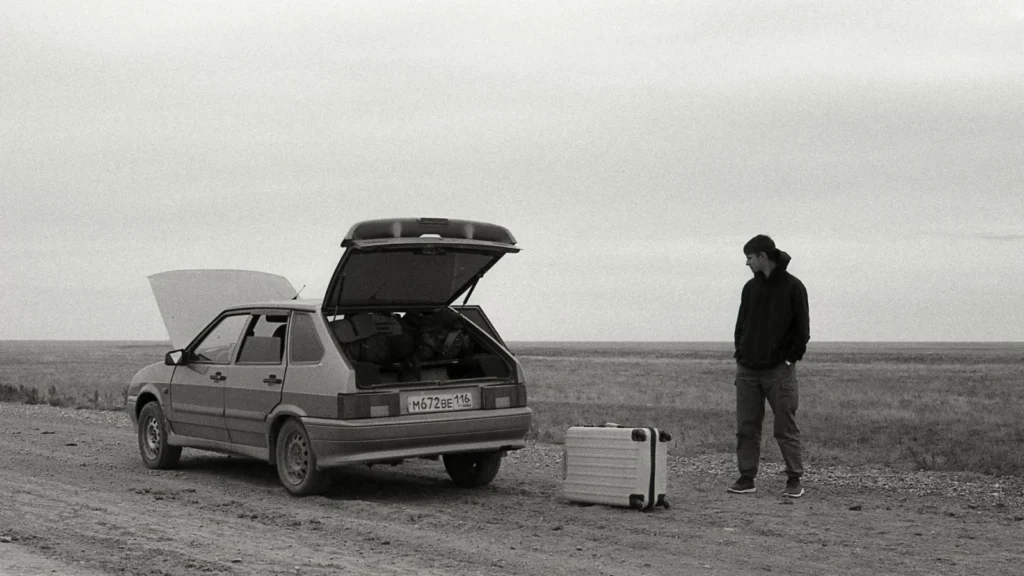
A well-stocked boot turns an emergency into a minor hassle
Most drivers only think about what should be in their car after they’ve been caught without something they needed, a flat phone battery on a dark roadside, no torch when a bulb’s blown at night, nothing to keep warm in while waiting for recovery on a cold motorway hard shoulder. A modest, well thought out kit kept permanently in the car removes most of that risk, and none of it needs to be expensive or take up much space.
This isn’t about turning your car into a survival bunker. It’s about having the handful of genuinely useful items that make the difference between a stressful, uncomfortable wait and a manageable one, whether that’s a breakdown, a minor accident, or simply getting stuck somewhere unexpected in bad weather.
This guide covers what’s genuinely worth keeping in a UK car, organised by what each item actually helps with, so you can build a kit that suits how and where you actually drive rather than just buying a generic pre-made kit and hoping it covers what you need.
Visibility and safety items
A hi-vis vest for every regular occupant of the car is one of the single most valuable additions to any emergency kit, and one of the cheapest. Being visible to other traffic if you need to exit the vehicle at the roadside, particularly in poor light or bad weather, genuinely reduces risk, and it’s something you’ll only remember you needed at the exact moment you don’t have it if it’s not already in the car.
A warning triangle is useful on ordinary roads (never place one on a motorway, as covered in our roadside safety guide) to give approaching traffic extra warning of a stopped vehicle ahead. A torch, ideally one that doesn’t depend on your phone’s battery, which you may need for calling for help, is genuinely useful for both breakdowns after dark and for simply seeing clearly if you need to check something under the bonnet or change a wheel in poor light.
Spare bulbs for your specific car, kept alongside a basic understanding of how to fit them, mean a blown headlight or brake light doesn’t need to wait for a shop to open, particularly useful if it happens on a journey away from home.
Weather and comfort items
A blanket, even a basic one, makes a genuine difference if you’re waiting some time for recovery in cold weather, particularly if you’re stopped somewhere you can’t safely run the engine for heating. This matters more in the UK than people often assume, since a breakdown on a cold, wet evening can mean a genuinely uncomfortable, even risky, wait without one.
A change of dry socks and a spare jumper are worth considering if you regularly drive in rural or exposed areas, since getting wet feet while dealing with a puncture or breakdown adds an unnecessary layer of misery to an already frustrating situation. Bottled water and a small supply of snacks are sensible too, particularly for longer journeys or if you’re travelling with children, since a wait for recovery can sometimes run longer than expected.
An ice scraper and de-icer, kept in the car rather than only in the garage, are easy to forget until the first frosty morning of the year, at which point you’ll wish you’d sorted it the week before rather than scraping the windscreen with a loyalty card in the cold.
Practical tools for minor fixes
A basic tool kit, a few common sizes of spanner and screwdriver, tyre pressure gauge, and a tyre inflator or sealant kit if your car doesn’t carry a full-size spare, covers a reasonable range of minor issues you might genuinely be able to sort yourself at the roadside without needing recovery at all. Jump leads or a portable jump starter pack, covered in more detail in our jump starting guide, are worth having if you’re at all likely to need one, particularly for older cars or ones that sit unused for periods.
Duct tape sounds almost too simple to be useful, but it’s genuinely handy for a surprising range of temporary fixes, securing a loose trim panel, temporarily sealing a small leak, holding something in place well enough to get you safely to a garage rather than stranded. A small first aid kit rounds out the practical section, useful for minor cuts and scrapes that can happen while dealing with any roadside issue, not just serious injuries.
None of these tools need to be expensive or elaborate. The value comes from having something rather than nothing when you actually need it, not from having a comprehensive professional toolkit you’ll rarely use in full.
Documents and information worth having ready
Keep a copy of your breakdown cover details, policy number and contact number, somewhere accessible rather than only stored in an email you might struggle to find under stress or without signal. Your insurance details are worth having similarly accessible, both for a breakdown and in case of an accident, since fumbling through apps and emails while stressed at the roadside adds unnecessary difficulty to an already frustrating situation.
A small notepad and pen, however old-fashioned it sounds, is genuinely useful for noting details in an accident situation, other vehicles’ registration numbers, witness contact details, roughly what happened, without relying entirely on a phone that might have a flat battery or poor signal at the crucial moment.
If you have any relevant medical information, allergies, conditions emergency responders should know about, particularly for anyone in the car with a condition that might not be obvious, it’s worth having this noted somewhere accessible too, rather than assuming you’ll remember to communicate it clearly if something serious happens.
Phone charging and communication
A portable power bank or an in-car phone charger is arguably one of the most important additions to any car kit given how much modern breakdown assistance relies on phone communication, GPS location sharing, apps, and simply being able to call for help. A flat phone at the roadside turns a manageable situation into a genuinely difficult one, particularly if you’re in an unfamiliar area and relying on your phone for both location and communication.
Keep the charger or power bank actually charged and check it periodically, since a power bank that’s been sitting flat in the boot for a year is no use exactly when you need it. If you drive regularly with passengers who also rely on their phones, consider a power bank with enough capacity or multiple ports to cover more than just your own device.
It’s also worth saving your breakdown provider’s number directly in your phone contacts rather than relying on finding it through an app or email in the moment, since a straightforward phone call is often faster and simpler than navigating an app when you’re stressed and possibly in poor signal.
What to check and maintain in your kit regularly
A car emergency kit isn’t a one-time purchase and forget task. Check it every few months, ideally aligned with a season change, to confirm everything’s still present, in date, and in working condition. Bottled water can degrade or the bottle can leak over time, de-icer bottles run out without you noticing until the moment you actually need it, and torch or power bank batteries can drain even while not in use.
If you’ve used anything from the kit, duct tape, first aid supplies, water, replace it promptly rather than assuming you’ll remember to restock before it’s needed again. It’s easy for a kit to quietly become half-empty over time as items get used for other purposes around the house or borrowed and never returned.
Aligning a kit check with the clocks changing, spring and autumn, gives a natural, memorable prompt to do this regularly without needing to set a separate reminder specifically for it.
Adapting your kit to how you actually drive
A driver doing mostly short urban journeys around Bradford has different needs to someone regularly driving longer rural routes across West Yorkshire or further afield. If you frequently drive in more remote areas with patchy phone signal, consider additional supplies, more water, warmer clothing, given that help may genuinely take longer to reach you than it would in a busy urban area.
If you regularly travel with children, additional considerations apply, spare nappies or snacks if relevant, entertainment to keep them occupied during a wait, and a clear, simple plan for keeping them safe and calm if you do need to exit the vehicle at the roadside. Pet owners travelling regularly with animals should consider a lead, water bowl, and any specific needs their pet has if a journey is unexpectedly extended by a breakdown.
There’s no single perfect kit that suits every driver, and it’s worth genuinely thinking through your own typical journeys, rather than just copying a generic list, to build a kit that actually covers what you’re likely to need.
Where to keep everything so it’s actually accessible
A kit that’s buried under other items in the boot, or scattered loosely rather than organised, is far less useful in a genuine emergency than one that’s organised and easy to find quickly. A dedicated bag or box, kept in a consistent location in the boot, means you’re not rummaging under panic in the dark or the rain trying to locate what you need.
Keep the hi-vis vests somewhere even more accessible than the rest of the kit, ideally in the door pocket or glovebox rather than the boot, since you’ll want to put these on before exiting the vehicle, which is difficult to do safely if they’re buried in the boot behind everything else.
A simple, organised setup costs a bit of thought upfront but pays off considerably in the moment you actually need to find something quickly, particularly in a stressful or urgent situation where fumbling for supplies adds unnecessary extra stress.
Peace of mind that goes beyond the kit itself
A well-stocked emergency kit is genuinely useful, but it works best alongside a car that’s properly maintained in the first place, reducing how often you’ll actually need to rely on it. Regular health checks catch the kind of developing faults, weak batteries, worn belts, ageing tyres, that most often lead to a breakdown in the first place.
SSK Mechanics offers a Full Health Check across West Yorkshire and Bradford, coming to your home or workplace to give your car a proper once-over and catch anything that might leave you relying on that emergency kit sooner than you’d like. Book a Full Health Check with SSK Mechanics for genuine peace of mind, and pair it with a properly stocked kit for the times an unexpected issue does still catch you out despite everyone’s best efforts.
Building the kit gradually rather than all at once
If the full list feels like a lot to sort out in one go, it’s fine to build it up gradually rather than trying to buy everything at once. Start with the genuinely essential, low cost items, hi-vis vests, a torch, a phone charger, and add the rest over the following weeks as you have time and budget. Even a partial kit is considerably better than nothing, and most of these items last for years once bought, so it’s a one-off cost rather than an ongoing expense.
It’s also worth involving other household drivers in putting the kit together, so everyone knows what’s in the car and roughly where to find it, rather than one person being the only one who knows the boot’s layout. A kit is only as useful as people’s awareness of what’s actually in it and how to use it when the moment comes.
Once the essentials are in place, adding the more comfort focused items over time rounds the kit out without it ever feeling like a big, expensive job to sort in one sitting.
Whichever order you build it in, having something ready beats scrambling to sort it out for the first time on the night you actually need it most.
Source: GOV.UK vehicle safety checks