

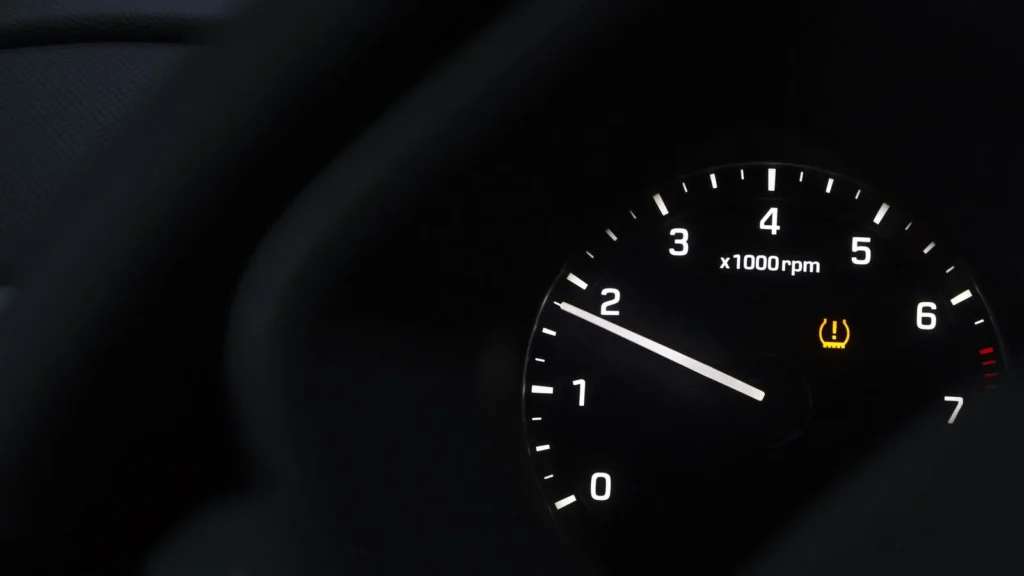
Warning lights on an electric vehicle cover somewhat different ground to a conventional petrol or diesel car, given there’s no engine, no exhaust system, and no traditional fuel to worry about, but a genuinely more complex high voltage electrical system in their place. Knowing what kind of EV warning demands an immediate stop versus one that can wait for a proper check matters given how different this system is from what most drivers are used to.
What EV-specific warnings typically relate to
Common EV warnings can indicate a fault within the main battery pack, an issue with the charging system, a fault in the power electronics that manage energy flow to the electric motor, or occasionally a warning related to the high voltage cables and connectors running throughout the vehicle. Some warnings are genuinely urgent, particularly anything suggesting a high voltage system fault, while others relate to less critical issues like charging speed or estimated range accuracy.
When to stop driving immediately
- Any warning explicitly mentioning a high voltage system fault or isolation fault
- A burning smell, unusual noise from the battery area, or visible smoke
- A sudden, significant loss of power or drive
- Any warning accompanied by a message specifically advising you to stop the vehicle safely
For these situations, pulling over safely and switching off is the right response, followed by contacting your manufacturer’s emergency assistance line or a recovery service equipped to handle EV faults, rather than attempting to continue driving or investigating the fault yourself.
Warnings that can generally wait for a scheduled check
Warnings related to charging speed, estimated range calculation, or minor software glitches that don’t affect the car’s ability to drive normally are generally less urgent, though they’re still worth having checked at a convenient opportunity rather than ignored indefinitely. The key distinction is whether the warning affects the car’s safe operation right now, versus a longer-term efficiency or convenience issue.
Why high voltage cable condition matters
The cables carrying high voltage current through an EV are specifically insulated and shielded, and damage to this insulation, from age, physical damage, or manufacturing defects, is a genuine safety concern that a proper inspection can catch before it becomes a more serious fault. This is a specialist check requiring the correct safety procedures and equipment, not something to inspect casually yourself.
Why EV owners benefit from knowing their manufacturer’s specific guidance
Because EV warning systems and their exact meanings vary somewhat between manufacturers, taking a little time to read through your specific handbook’s section on warning lights, ideally before you ever need it, means you are not trying to interpret an unfamiliar symbol for the first time during a stressful roadside situation. Many manufacturers also provide a dedicated emergency assistance contact specifically trained for high voltage situations, worth saving in your phone in advance.
A proper inspection after any warning, even one that seemed to resolve itself, gives genuine confidence that the high voltage system remains in good, safe condition going forward.
Familiarising yourself with your specific EV’s emergency shutdown procedure, detailed in the handbook, before you ever need it, is a sensible precaution that costs nothing and could matter considerably in a genuine emergency situation.
Getting it properly checked
What a mechanic actually checks during an EV warning diagnosis
A proper assessment uses manufacturer-specific equipment to read fault codes from the battery management system, power electronics, and charging system together, following strict high voltage safety procedures throughout the inspection. The technician will also check high voltage cable insulation resistance directly, a specialist test confirming the cables carrying significant current remain properly isolated from the vehicle’s structure, which is a genuine safety consideration beyond what a standard diagnostic scan alone would reveal.
How this compares with a conventional 12-volt electrical fault
EVs still rely on a separate, lower voltage 12-volt system for many standard functions, lights, infotainment, and central locking among them, and a fault here is diagnosed much like on any conventional car, distinct from anything involving the main high voltage traction system. Understanding which system a specific warning relates to, high voltage or conventional 12-volt, helps set realistic expectations for both urgency and likely repair complexity.
Why charging-related warnings deserve their own attention
A warning specifically related to charging speed or a failed charging session is generally less urgent than a high voltage system fault, though it is still worth having checked, since it can point toward an issue with the vehicle’s onboard charger, the external charging point itself, or occasionally the battery’s own condition affecting how it accepts charge.
Why EV-specific recovery and repair matters
Not every general recovery service or garage is equipped or trained to safely handle a genuine high voltage fault, which is why manufacturers typically provide dedicated emergency assistance specifically for this scenario, and why choosing a repairer with genuine EV credentials, rather than assuming any competent garage can handle the work, matters considerably more here than for most conventional repairs.
Frequently asked questions
Is it safe to charge my EV if a warning light is showing? This depends entirely on the specific warning, and anything relating to the high voltage or charging system specifically should be checked before attempting to charge, rather than assuming it is safe to proceed as normal.
Can I get a mobile EV diagnostic at my home? Yes, provided the technician is properly equipped and trained for high voltage systems, a mobile assessment at home or work is often more practical than driving a car with an uncertain high voltage fault any further than necessary.
Cost breakdown by vehicle type
Electric vehicle warning lights span everything from minor software glitches to genuine battery or charging faults, and cost reflects that range. A charging system fault, often related to the onboard charger or the connection between the car and a home wallbox, typically costs 150 to 400 pounds to diagnose and repair, depending on whether the fault lies in the car or the charging equipment itself.
Battery management system faults, where individual cell groups are reporting inconsistent readings, are more involved and can run from 300 pounds for a sensor or software-related fix up to several thousand pounds if actual battery cell replacement is needed, though full pack replacement remains rare and most issues are resolved at the module or sensor level. Motor controller or inverter faults sit in a similar higher bracket, often 400 to 900 pounds, reflecting the specialist parts and diagnostic time involved.
What a mechanic actually checks
As with hybrids, EV diagnostics begin with safely isolating the high-voltage system before any physical inspection takes place. A full scan across the vehicle’s control modules identifies which system triggered the warning, whether that’s the battery management system, the charging circuit, the motor controller or a supporting system like the cooling loop that keeps the battery within its optimal temperature range.
The technician checks individual cell group voltages and temperatures for imbalance, inspects charging port connections and pins for corrosion or damage (a common issue on cars charged outdoors in all weather), and reviews the car’s charging history data where accessible, since patterns like frequent rapid charging to 100 percent can sometimes correlate with faster degradation and point towards where to look first.
How this compares with a hybrid warning
EVs and hybrids share some underlying technology, particularly around battery management, but an EV has no engine to fall back on if the electric system develops a fault. A hybrid warning might mean the car switches to running on its engine alone; an EV warning has no such backup, which is why EV manufacturers build in more conservative limp modes, often reducing available power or charging speed automatically the moment a fault is detected, to protect both the car and the driver from being left completely stranded.
Charging and range considerations for West Yorkshire drivers
Cold weather genuinely affects EV range and charging speed, and this matters across a region with a proper winter and plenty of hilly routes around Halifax and the Calder Valley that draw more energy than flat urban driving. A warning light appearing alongside a noticeably reduced range estimate in cold weather isn’t necessarily a fault at all, sometimes it’s the car being honest about reduced battery efficiency in low temperatures. That said, if the reduction seems disproportionate to the weather, or the warning persists into milder conditions, it’s worth getting the battery management system properly checked rather than assuming it’s just seasonal.
Access to reliable public charging also matters if you’re relying on it for longer trips beyond the region, so a charging-related fault is worth prioritising quickly rather than living with reduced charging speed for weeks.
Frequently asked questions
Will an EV warning light strand me immediately? Not usually. Most EVs reduce power or charging speed as a protective measure rather than stopping outright, giving you time to get somewhere safe and book a diagnostic check.
Does cold weather trigger false warnings? Reduced range estimates in cold weather are normal and not a fault, but genuine warning lights relating to the battery or charging system should still be checked.
Is EV repair more expensive than petrol or diesel? Routine issues are often comparable or cheaper since EVs have fewer moving parts, but specialist high-voltage component repairs can cost more due to the parts and training involved.
Charging habits that protect long-term battery health
Regularly charging to 100 percent and leaving the car sitting at full charge for long periods accelerates battery wear more than charging to around 80 percent for daily use and reserving a full charge for longer trips. Rapid charging is convenient but generates more heat than a slower home charge, so relying on it exclusively rather than mixing in slower overnight charging where practical is worth considering if long-term battery health matters to you.
Understanding your EV’s battery health report
Many EVs let you check an estimated battery health or state-of-health percentage through the car’s infotainment system or a manufacturer app. Checking this periodically gives you an early warning of gradual degradation long before a fault light appears, and comparing readings every few months can help you spot a sudden drop that’s worth investigating, rather than assuming a warning light is the first sign anything’s changed.
Insurance and warranty considerations for EV faults
Many EVs come with separate, longer warranty cover for the battery and drivetrain compared with the rest of the vehicle, often extending well beyond the standard three-year warranty. If your car is still within this extended cover, a battery or motor-related warning could be resolved at no cost through a manufacturer-approved repairer, so it’s worth checking your specific warranty terms before booking an independent diagnostic session for anything battery-related.
Planning longer journeys with confidence
Before a longer trip, check your planned route for charging availability along the way, particularly if travelling beyond West Yorkshire into less populated areas. Having a backup charging point in mind removes a lot of the stress that unfamiliar warning lights or unexpectedly reduced range can cause on unfamiliar roads.
Home charging setup checks
If warnings seem to coincide specifically with home charging rather than public charging, get your wallbox inspected too, since a fault or loose connection at the home end can sometimes present as a vehicle warning even when the car itself is fine.
A proper check now keeps your EV reliable for years of driving ahead.
A little planning goes a long way on longer drives.
Book a specialist EV diagnostic check to be certain of the cause.
A properly diagnosed fault beats guesswork every time.
A well maintained EV battery pays for itself in reliability and range.
SSK Mechanics can run a full battery health check whenever you need one.
It’s a small step that keeps your EV dependable for the long run.
If you’ve had an EV warning light appear, particularly anything relating to the high voltage system, it’s worth having it properly assessed by someone equipped and trained for EV diagnostics. SSK Mechanics offers a High Voltage Cable Inspection alongside broader EV system diagnostics. See GOV.UK’s vehicle guidance for wider reference, then book with SSK Mechanics for peace of mind.
Source: GOV.UK vehicle guidance
Frequently asked questions
Should I stop immediately if my EV shows a warning light?
It depends on the warning. Anything mentioning a high voltage fault, burning smell, or sudden power loss should prompt an immediate, safe stop, while other warnings may be less urgent.
Is it safe to inspect high voltage cables myself?
No, this requires specific safety procedures and equipment, and should only be done by someone properly trained and equipped for EV high voltage systems.
Can a software glitch cause an EV warning light?
Yes, some warnings relate to minor software issues affecting things like range estimation rather than a genuine mechanical or electrical fault.
What should I do if I smell burning from an EV battery area?
Stop the car safely as soon as possible, switch off, move away from the vehicle, and contact emergency assistance rather than investigating yourself.