

The comparison between running an electric car and a petrol equivalent gets thrown around a lot, often with numbers that don’t quite reflect real-world driving. Breaking down the actual cost categories, fuel or electricity, servicing, insurance and depreciation, gives a genuinely useful picture rather than a marketing headline figure.
Fuel versus electricity: the biggest visible difference
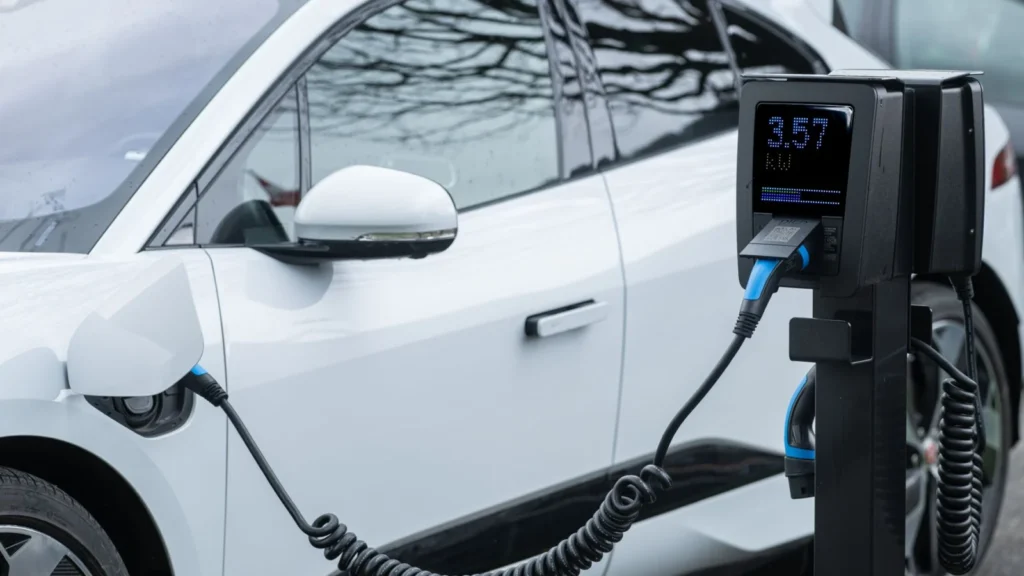
Charging at home, particularly on an EV-specific off-peak tariff, typically costs considerably less per mile than filling up with petrol or diesel, often less than half depending on current energy and fuel prices. This gap narrows somewhat if relying heavily on public rapid charging, which carries a premium, but for owners with home charging access, the fuel cost saving is genuinely the largest, most consistent advantage electric driving offers.
Servicing and maintenance costs compared
As covered in detail elsewhere, EVs generally cost less to service given the absence of oil changes, spark plugs and timing belt work, partially offset by somewhat faster tyre wear. Over a typical ownership period, most EVs still come out ahead on total maintenance cost compared with an equivalent petrol car, though the gap is narrower than the fuel cost saving alone might suggest.
Insurance: a more complicated comparison
EV insurance has historically sometimes been higher than an equivalent petrol car, reflecting higher purchase prices, more expensive battery replacement costs in the event of significant damage, and a smaller pool of specialist repairers in some areas. This gap has narrowed considerably as EVs have become more common and insurers have gained more data and experience, though it’s still worth comparing quotes directly rather than assuming electric will automatically be cheaper to insure.
Depreciation: where the picture varies most
- Some EV models have depreciated faster than expected due to rapid technology improvement making older models feel dated sooner
- Government incentive changes have historically affected used EV values at various points
- Popular, well-regarded models with strong reputations tend to hold value better than less established ones
- Battery health and remaining warranty meaningfully affect resale value specifically for EVs
Why total cost of ownership matters more than any single figure
Looking at fuel, servicing, insurance and depreciation together over a realistic ownership period, typically three to five years, gives a far more accurate comparison than focusing on any single cost category in isolation. Online total cost of ownership calculators, using your actual expected mileage and current local energy and fuel prices, give a more personalised, useful comparison than generic national averages.
How driving pattern changes the calculation significantly
High-mileage drivers with reliable home charging access see the most dramatic savings from switching to electric, since fuel cost savings compound with every additional mile driven. Lower-mileage drivers, or those relying entirely on more expensive public charging, see a meaningfully smaller cost advantage, sometimes marginal once the higher purchase price is factored into the comparison.
What government incentives have meant historically
Various grants, tax benefits and incentive schemes have supported EV adoption at different points, meaningfully affecting the real cost comparison for buyers at the time these schemes were active. Checking current incentive availability, since schemes and eligibility do change over time, is worth doing as part of any serious cost comparison exercise before purchase.
The bottom line for most drivers
For owners with home charging access and reasonable annual mileage, electric driving genuinely offers meaningful cost savings over a typical ownership period compared with an equivalent petrol car, even accounting for a typically higher purchase price. The advantage is real but varies considerably by individual circumstances, making a personalised comparison, rather than a generic headline claim, the genuinely useful exercise.
Getting your specific car’s running costs assessed
SSK Mechanics can advise on realistic running and maintenance costs for your specific EV or hybrid, alongside a hybrid battery health check confirming your car’s actual condition, giving you a genuinely accurate picture rather than relying on generic national figures.
How charging tariffs specifically affect the comparison
Many energy suppliers now offer EV-specific tariffs with significantly cheaper rates during off-peak overnight hours, and taking advantage of these can push the cost-per-mile advantage of electric driving considerably further than a standard, unoptimised home electricity tariff would achieve. Checking whether your current supplier offers an EV tariff, or whether switching supplier makes sense given your charging pattern, is a genuinely worthwhile exercise for maximising the cost advantage.
Why servicing savings compound over a longer ownership period
The absence of oil changes, spark plugs and timing belt work doesn’t just save money once, it saves money at every single service interval throughout the years you own the car, meaning the cumulative maintenance saving grows considerably the longer you keep the vehicle, favouring owners who plan to keep their EV for many years over those trading in frequently.
The role of battery degradation in long-term value
A well maintained battery, confirmed through periodic health checks, supports stronger resale value than an unknown or poorly documented one, meaning the modest cost of periodic health checks throughout ownership can genuinely pay for itself through better resale value when the time eventually comes to sell or trade in the vehicle.
What business and fleet drivers should specifically consider
For business users, additional tax advantages around company car benefit-in-kind rates for electric vehicles have historically made EVs particularly cost effective for business use compared with petrol equivalents, though specific rates and rules change periodically and are worth checking against current guidance for accurate, up to date figures relevant to your specific situation.
Why purchase price still matters in the full comparison
Electric vehicles have typically carried a higher upfront purchase price than directly equivalent petrol models, though this gap has narrowed considerably as battery costs have fallen and more affordable EV models have entered the market. A genuinely fair cost comparison needs to weigh this higher initial outlay against the ongoing savings, rather than focusing purely on running costs in isolation without considering the full financial picture.
How used EV pricing has shifted the calculation
As the used EV market has matured and grown considerably, buying a slightly older, used electric vehicle has become an increasingly accessible way to access the running cost benefits without paying a new car premium, often bringing the total cost of ownership comparison meaningfully closer to, or even below, an equivalent used petrol car once fuel savings are properly factored in over the remaining ownership period.
What a genuinely fair comparison looks like in practice
Comparing a specific EV against a genuinely equivalent petrol model, similar size, similar performance, similar intended use, over a realistic ownership period using your own actual mileage and local energy costs, gives a far more useful answer than any generic national statistic ever could, since individual circumstances genuinely drive the real-world outcome more than any single average figure.
Getting a personalised comparison
SSK Mechanics can help you understand the realistic running and maintenance costs for a specific EV or hybrid you’re considering or already own, giving you genuinely useful, locally relevant figures rather than generic national averages that may not reflect your actual situation.
Why some cost comparisons overstate the savings
Marketing materials sometimes present the most favourable possible comparison, best-case home charging tariff against worst-case petrol prices, which can overstate the realistic saving most drivers will actually experience. Approaching any headline cost claim with a healthy degree of scepticism, and running your own numbers based on your actual situation, gives a more trustworthy answer than relying on someone else’s best-case scenario.
Why maintenance history genuinely affects long-term costs
A well maintained EV, with regular health checks and prompt attention to developing issues, genuinely costs less over its lifetime than a neglected one of the same model, since small, cheap problems caught early avoid the larger, more expensive failures that neglect eventually produces, a principle that applies to EVs exactly as it always has to petrol cars.
Final thoughts on making an informed comparison
Running the actual numbers for your specific situation, rather than relying on generic claims from either side of the petrol-versus-electric debate, is genuinely the only reliable way to understand whether switching to electric makes sound financial sense for your particular circumstances and driving pattern.
Reach out to SSK Mechanics
Get in touch today for honest, personalised advice on running costs for your specific electric or hybrid vehicle, backed by a proper battery health check confirming your car’s actual condition rather than relying on assumptions.
We’re here to help you understand the real numbers
Our Bradford based team is genuinely happy to talk through the specifics of your situation, helping you make a confident, well informed decision rather than relying on generic marketing claims from either side of the debate.
Bringing everything together
Fuel or electricity, servicing, insurance and depreciation all combine to determine the genuine total cost of running any car, electric or petrol, and understanding each element individually, rather than relying on a single headline figure, is what actually lets you make a confident, well informed decision suited to your own specific circumstances and priorities.
A final thought on making the switch
For the right owner, with home charging access and a sensible annual mileage, electric driving genuinely does offer meaningful savings over time, and understanding exactly where those savings come from helps you plan and budget with realistic, accurate expectations rather than vague assumptions either way.
Contact us today
Whether you already drive electric or are weighing up the decision, SSK Mechanics is genuinely happy to talk through the real costs and savings involved, based on your specific circumstances rather than generic industry averages that might not reflect your actual situation at all.
Why this comparison will likely keep evolving
Battery costs, energy prices, fuel prices and government policy all continue shifting, meaning the specific numbers behind this comparison in five years may look somewhat different from today’s figures. The underlying principle, that understanding your own specific costs beats relying on generic claims, remains true regardless of how the exact numbers happen to shift over time.
Making a decision you can feel confident about
Whatever you ultimately decide, basing that decision on your own genuine numbers rather than someone else’s marketing claim or someone else’s complaint means you’re choosing with real, personal confidence rather than hoping a generic statistic happens to apply neatly to your specific situation.
We look forward to helping you make that decision with genuine clarity and confidence, based on your own real numbers.
Reach out today and let us give you the honest, personalised answer you deserve.
Our friendly, knowledgeable team is always ready to answer your questions, whether you are simply curious or seriously weighing up a switch to electric driving for the first time.
We serve the whole of Bradford, Leeds, Halifax and the surrounding West Yorkshire area, with honest, straightforward advice you can genuinely rely on when making a decision this significant.
Give us a call or book online today, and let us help you crunch the real numbers for your specific car and your specific driving pattern, rather than relying on generic industry claims that may not reflect your actual situation.
We look forward to helping you make a confident, financially sound decision about your next car, whether that turns out to be electric, hybrid or petrol in the end. What matters most is that the decision is genuinely informed rather than based on assumptions either way.
Thank you for reading, and we genuinely hope this breakdown has helped clarify what running an electric car actually costs compared with petrol, based on real factors rather than assumptions.
Safe, confident driving and smart financial decisions go hand in hand, and we are glad to support both for every driver we work with.
Reach out whenever you are ready to talk through the numbers properly with our friendly team.
Get started today and take the guesswork out of your next car decision. Thanks for reading, and best of luck with whatever you decide. Speak soon, and safe driving. Cheers, and take care out there. Bye for now, and thanks again. Until next time.
Frequently asked questions
Is it genuinely cheaper to run an electric car than a petrol car?
For most owners with home charging access and reasonable mileage, yes, though the exact saving depends on charging habits, insurance costs and how the specific model depreciates.
Does relying on public charging change the cost comparison significantly?
Yes, public rapid charging carries a premium over home charging, meaningfully narrowing the fuel cost advantage for owners who rely on it heavily rather than charging mostly at home.
Is EV insurance more expensive than petrol car insurance?
It has historically sometimes been higher, though the gap has narrowed considerably as EVs have become more common, so comparing quotes directly is worth doing.
How does depreciation compare between EVs and petrol cars?
It varies considerably by model, with popular, well-regarded EVs holding value reasonably well, while some models have depreciated faster than expected due to rapid technology change.
What is the best way to compare running costs for my specific situation?
Using your actual annual mileage and current local energy and fuel prices in a total cost of ownership comparison gives a more accurate picture than generic national average figures.