

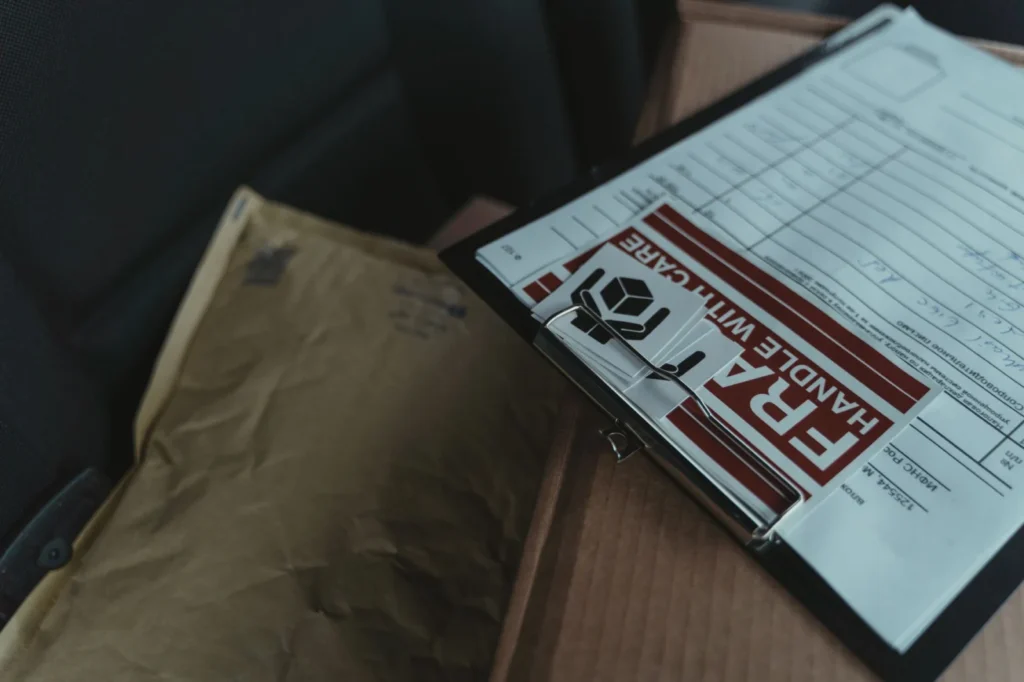
Whether you are buying your next car or getting ready to sell your current one, the process in the UK involves a fair number of moving parts. Get the checklist right and the transaction is smooth, quick and free of nasty surprises. Get it wrong and you can end up with a car that has hidden problems, a sale that drags on for weeks, or worse, a dispute over money and paperwork after the fact. This guide pulls together a practical checklist covering both sides of the transaction, so whether you are the buyer or the seller you know exactly what to check, what to ask for, and what to avoid.
Start with the paperwork
Every used car transaction in the UK revolves around one document above all others: the V5C registration certificate, commonly called the logbook. If you are buying, always check the V5C matches the car in front of you, including the VIN number stamped on the chassis and the registration plate. Be wary of any seller who cannot produce a V5C or who offers a photocopy rather than the original. If you are selling, make sure your V5C is up to date with your current address, since an out-of-date logbook can hold up the transfer and cause confusion with DVLA correspondence.
Beyond the logbook, gather MOT certificates, service records, and any receipts for significant repairs. Buyers increasingly check MOT history online before even viewing a car, so as a seller it pays to have your own paperwork organised and ready to show. A tidy paper trail signals a well cared for car and can genuinely help you achieve a better price.
Check the car’s history before you commit
Before handing over money for a used car, run a vehicle history check using the registration number. This reveals whether the car has outstanding finance, has been reported stolen, or has been written off and repaired following an accident. Buying a car with undisclosed finance owing on it can leave you liable for the debt even though you paid the seller in full, so this step is not optional if you want to protect yourself.
Mileage discrepancies are another red flag worth checking. Compare the current mileage against previous MOT test results, which are recorded and publicly searchable. A car that has had its mileage rolled back, even unintentionally through an instrument cluster swap, can be worth significantly less than the price being asked and may have had less maintenance than the odometer suggests.
Inspect the condition thoroughly
A visual inspection matters just as much as the paperwork. As a buyer, view the car in daylight, ideally when it has not been driven for a few hours, so you can check for cold starting problems and fluid leaks on the ground underneath. Look closely at panel gaps and paint consistency for signs of previous accident repair, check tyre wear for even contact across the tread, and test every electrical function from windows to infotainment.
As a seller, take time to address small cosmetic issues before listing the car. A clean interior, freshly vacuumed carpets, and a recently washed exterior all make a strong first impression and can genuinely influence how much a buyer is willing to offer. It costs very little in time and effort but pays back handsomely in the final sale price.
Consider a professional inspection
For buyers, arranging an independent pre-purchase inspection is one of the smartest moves you can make, particularly for cars above a certain value or age. A qualified mechanic can spot issues that are simply not visible to an untrained eye, from worn suspension components to early signs of corrosion in structural areas. The cost of an inspection is small compared to the potential cost of buying a car with a hidden fault.
For sellers, having a recent health check report to hand can actually work in your favour. It demonstrates transparency and gives buyers confidence that you have nothing to hide, which can help a sale move faster and at a fairer price than trying to offload a car with unknown condition.
Understand the test drive
A proper test drive covers more than just pulling out of the driveway and back. Take the car on a mix of roads, including some at higher speed if safely possible, to check for vibrations, unusual noises, and how the brakes and steering feel under different conditions. Listen for knocks over speed bumps, check the handbrake holds on an incline, and pay attention to any warning lights that illuminate during the drive.
Sellers should make sure the car is fully prepared for test drives, including a full tank or reasonable amount of fuel, correct tyre pressures, and a valid insurance arrangement in place if the buyer is driving. Many private sellers forget that a buyer driving the car needs to be insured, either through their own policy or a temporary cover arrangement.
Negotiating a fair price
Pricing a used car fairly benefits both sides of the transaction. Sellers should research similar models, ages and mileages currently listed to set a realistic asking price, while buyers should use any faults found during inspection as genuine, specific leverage rather than vague requests for a discount. Citing a worn timing belt due for replacement or tyres nearing the legal limit gives a concrete, defensible reason for a lower offer.
Avoid being pressured into a quick decision on either side. Buyers should never feel rushed into paying a deposit before an inspection is complete, and sellers should be cautious of buyers who want to pay by unusual methods or insist on completing the transaction without proper paperwork.
Payment and handover safety
Bank transfer is generally the safest payment method for both parties, since it leaves a clear record and avoids the risks associated with carrying large amounts of cash. Never release a car or hand over keys until payment has genuinely cleared in your account, not just shown as pending. Scammers sometimes use fake payment confirmation screenshots to pressure sellers into completing a handover before funds actually arrive.
When the deal is done, both parties should complete the relevant section of the V5C promptly. Sellers must notify the DVLA of the sale, and buyers should confirm the change of ownership has gone through, since driving an unregistered vehicle can create complications with insurance and tax.
Common mistakes to avoid
One of the most common mistakes buyers make is skipping the vehicle history check to save a small fee, only to discover finance owing or an undisclosed write-off after the purchase is complete. Another frequent error is trusting a verbal promise about condition rather than getting it confirmed by an independent inspection. On the selling side, common mistakes include overpricing based on emotional attachment rather than market value, and failing to disclose known faults, which can lead to disputes or even legal claims later.
Taking the time to work through a proper checklist, on either side of the transaction, dramatically reduces the chance of these problems occurring and helps ensure the whole process goes smoothly from first contact to final handover.
Getting expert help along the way
You do not need to navigate a used car transaction entirely alone. A mobile mechanic can carry out a pre-purchase inspection at a location convenient to you, whether that is your home, the seller’s address, or a neutral spot, giving you an independent, professional opinion before you commit any money. This is particularly valuable if you are buying privately and do not have the reassurance of a dealer warranty behind you.
Whether you are buying or selling, taking a methodical approach with the right paperwork, checks and a bit of professional support gives you the best chance of a fair, hassle free transaction that leaves both parties satisfied with the outcome.
Insurance and tax considerations
Before you drive away in a newly purchased car, make sure your insurance is arranged and active from the moment you take ownership. Driving even a short distance without valid cover is a serious offence and one that many buyers overlook in the excitement of collecting a new car. Get a quote sorted in advance based on the make, model and registration so there is no gap in cover on collection day. Vehicle tax is another item that catches people out, since tax no longer transfers with the car under current rules. As a buyer you must tax the vehicle yourself before driving it, even if the previous keeper had valid tax remaining, and as a seller you can claim a refund for any full months of remaining tax once you notify the DVLA of the sale.
It is also worth checking whether the car falls into a low emission zone charge band relevant to where you live or commute, since this can add a meaningful ongoing cost that is easy to miss when focusing purely on the purchase price.
Warranty and aftercare options
If you are buying from a dealer, ask exactly what warranty cover is included and what it excludes, since dealer warranties vary enormously in scope and length. Some cover only major mechanical components while others extend to electrics and wear items. If buying privately, there is typically no warranty at all, which makes the pre-purchase inspection step even more important, since you have far less protection if something goes wrong shortly after the sale.
Consider asking about extended warranty products separately if you want extra peace of mind, particularly for cars with higher mileage or complex technology such as hybrid drivetrains, where repair costs can be significant if something does go wrong outside of any existing cover.
Common questions buyers and sellers ask
Many buyers ask how much negotiation room realistically exists on a used car price. In general, private sales carry a little more room for negotiation than dealer forecourt prices, particularly if a mechanical fault has genuinely been identified. Sellers often ask how quickly they should expect a private sale to complete, and the honest answer is that it varies hugely depending on price, condition and how the car is presented, but a realistically priced, well presented car with clear paperwork typically attracts serious interest within one to two weeks of listing.
Both buyers and sellers frequently underestimate how much smoother the whole process becomes with organised paperwork and an independent inspection report to refer back to, rather than relying purely on memory and verbal assurances during negotiation.
Final thoughts before you complete the transaction
Whether you are buying or selling, patience and thoroughness pay off far more often than rushing to close a deal quickly. Take the time to work through every item on this checklist, keep clear records of every conversation and agreement, and do not be afraid to walk away from a deal that does not feel right, whichever side of the transaction you are on. A little extra diligence at this stage protects you from far bigger headaches down the road, and a professional inspection remains one of the simplest, most effective ways to buy or sell with genuine confidence.
A quick reference checklist
- Verify the V5C logbook matches the car, VIN and registration before any money changes hands.
- Run a full vehicle history check for outstanding finance, write-off status and mileage discrepancies.
- Arrange an independent pre-purchase inspection, especially for private sales without a warranty.
- Confirm insurance is active before driving the car away, and tax the vehicle yourself as the new keeper.
- Use bank transfer for payment and only release the car once funds have genuinely cleared.
- Notify the DVLA promptly of the change of ownership on both the buying and selling side.
Working through this list methodically, on either side of the transaction, removes most of the guesswork and risk from what can otherwise feel like a daunting process, and gives both buyer and seller the confidence that everything has been handled properly from start to finish.
Taking this approach, whether buying your next car or preparing to sell your current one, sets you up for a transaction that is transparent, fair and free of the disputes that so often arise when either party skips these fundamental steps.
Source: GOV.UK vehicle tax guidance
Frequently asked questions
What paperwork do I need when buying a used car in the UK?
You need the V5C logbook, a valid MOT certificate if the car is over three years old, service history if available, and ideally a recent invoice or receipt from the seller. If buying from a dealer, ask for a written warranty document too.
What paperwork do I need when selling a used car?
You need the V5C to transfer ownership, service records to prove maintenance, MOT certificates, and any receipts for recent repairs. Having these ready in advance speeds up the sale and reassures buyers.
Should I get an inspection before buying a used car?
Yes, a pre-purchase inspection from an independent mechanic is one of the best ways to avoid buying a car with hidden mechanical or structural problems that are not obvious on a test drive.
How long does a car ownership transfer take in the UK?
Once you post the yellow section of the V5C to the DVLA, or complete it online, the change of ownership is usually processed within a few days, though the new logbook can take a few weeks to arrive by post.
Is it safer to sell a car privately or through a dealer?
Private sales usually achieve a higher price but require more effort and carry more risk around payment and paperwork. Dealer part-exchange is quicker and safer but typically offers a lower valuation.