

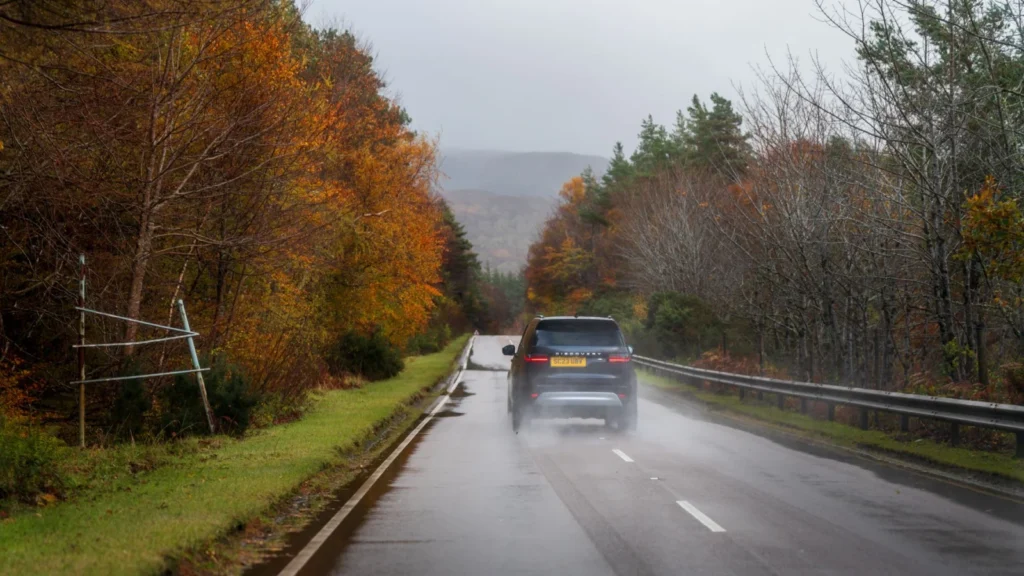
Driving in Bradford and the wider West Yorkshire area is a genuinely different proposition to driving on the flat, gently rolling roads found in much of the south of England. Between the steep terraced streets climbing away from the city centre, the exposed moorland roads out toward Haworth and Denholme, and the constant stop-start of heavy urban traffic through areas like Manningham and Great Horton, cars covering their daily miles around Bradford face a genuinely tougher set of conditions than many drivers realise. Understanding driving in Bradford West Yorkshire and what it actually does to a car helps explain why local vehicles often need attention to certain components sooner than their mileage alone would suggest.
The hills that define daily driving here
Bradford sits in a bowl surrounded by hills, and almost every route in or out of the city centre involves a meaningful climb or descent, whether that is the pull up toward Thornton and Queensbury, the drop down into the Aire Valley toward Shipley, or the steep residential streets around Heaton and Clayton where terraced housing was built directly onto the hillside. This is simply not the driving environment most cars are designed around as a default, and the cumulative effect of constant gradient work shows up first in the clutch, the brakes and the engine’s cooling system.
A clutch that would comfortably last well over 60,000 miles on flat suburban driving elsewhere can wear noticeably faster here, since holding a car on a hill at a junction, or feathering the clutch on a steep, slow-moving queue, generates far more heat and wear than the same distance covered on level ground. Brakes face a similar story in reverse, working harder on the way down every hill they climbed on the way up, and Bradford’s geography means very few daily routes avoid this pattern entirely.
Local drivers who have always lived somewhere hilly sometimes assume this level of wear is simply normal and inevitable, but it genuinely is accelerated compared with flatter parts of the country, and building this into a maintenance routine, rather than waiting for a problem to appear, makes a real difference to reliability and to avoiding an unexpected roadside failure on one of the steeper routes.
Road surface quality across the district
West Yorkshire’s road network includes a genuine mix of surface quality, from well maintained arterial routes like the Bradford ring road through to older residential streets and rural lanes out toward Denholme and Cullingworth where potholes and surface breakup are a persistent seasonal problem. Freeze-thaw cycles through a typical West Yorkshire winter are particularly hard on road surfaces, since water gets into small cracks, expands when it freezes, and widens the crack further, a process that repeats through every cold snap and steadily degrades even a reasonably new road surface.
This uneven surface quality translates directly into extra wear on suspension components, particularly bushes, anti-roll bar links and dampers, all of which absorb the repeated small impacts of pothole edges and surface irregularities. Steering components take a similar toll, with tie rod ends and track rod ends often showing wear sooner on cars that regularly cover Bradford’s rougher residential and rural roads compared with equivalent cars driven mainly on smoother, better maintained routes.
Tyres also suffer more from poor surfaces, with sidewall damage from sharper pothole edges a genuine risk, particularly on larger alloy wheels with lower profile tyres that are increasingly common even on everyday family cars. Checking tyres regularly for cuts, bulges and uneven wear patterns is worth doing more often here than the bare minimum many drivers get away with elsewhere.
Weather and seasonal driving conditions
West Yorkshire’s weather, particularly at higher elevations around places like Ilkley Moor, Baildon Moor and the roads toward Haworth, brings genuinely more challenging winter conditions than the city centre itself typically experiences. Fog, ice and occasional snow at these higher elevations can arrive even when conditions in central Bradford remain relatively mild, catching out drivers who assume the weather they see at home reflects what they will find on their route.
This has real consequences for a car’s mechanical health, with cold starts putting extra strain on the battery and starter motor, and salt and grit spread on the roads accelerating corrosion on the underbody, brake lines and exhaust system over successive winters. A car that spends its life driving these routes needs its underbody and general condition checked more regularly than one used purely for short, flat local journeys in a milder climate.
Rain is a near-constant feature too, and West Yorkshire’s annual rainfall is meaningfully higher than the UK average, which keeps roads wet for a large proportion of the year and increases the demands placed on tyres, wiper blades and the braking system generally, since stopping distances on wet roads are significantly longer than on dry ones, particularly on worn tyres.
Urban stop-start traffic through the district
Beyond the hills and the weather, much of daily driving around Bradford involves genuine stop-start traffic, particularly through the city centre, along busy routes like Manchester Road and Leeds Road, and around school run times in residential areas across the district. This kind of driving is genuinely harder on a car than steady motorway cruising, since the engine, gearbox and brakes are all working through repeated cycles of acceleration and deceleration rather than settling into an efficient, steady rhythm.
Clutch wear accelerates further in this kind of traffic, as does brake wear, since low speed braking in traffic uses the front brakes disproportionately hard relative to the more even distribution seen at higher, steadier speeds. Fuel consumption also rises noticeably in stop-start conditions, and the combination of frequent short journeys with plenty of idling can prevent an engine from reaching full operating temperature consistently, which over time can contribute to the build-up of deposits within the engine that a longer, steadier run would help clear.
Regular servicing that accounts for this pattern of driving, rather than assuming a generic maintenance schedule designed around more typical usage, helps keep a car in genuinely good condition despite the demanding nature of daily Bradford traffic.
What this means for brakes specifically
Given how central hills and stop-start traffic both are to driving around Bradford, brakes deserve particular attention. Front brake pads in particular wear faster here than the national average would suggest, since they do the majority of the work both on steep descents and in low speed urban traffic, and a set of pads that might comfortably last 30,000 to 40,000 miles in flatter, less congested areas can wear through meaningfully sooner given this district’s specific driving conditions.
Brake fluid also degrades faster under this kind of repeated heavy use, since braking generates heat, and heat is what causes brake fluid to absorb moisture and lose effectiveness over time, a process known as boiling point degradation that can eventually lead to a spongy pedal feel or reduced braking performance when it matters most, such as on a long, steep descent. Regular checks of the braking system and fluid condition are genuinely more important here than in many other parts of the country.
Listening for early warning signs, including squealing wear indicators, any pulling to one side under braking, or a pedal that feels softer than usual, and acting on them promptly rather than waiting for a scheduled service, is a sensible habit for anyone regularly driving Bradford’s hills and traffic.
Suspension and the toll of constant terrain change
The constant transition between steep gradients, tight residential streets and rougher rural roads means suspension components work harder around Bradford than in many flatter regions. Dampers control the car’s body movement over every bump, dip and gradient change, and this constant, varied workload accelerates wear compared with the steadier demands of flatter, smoother driving elsewhere.
Anti-roll bar links and bushes, which help control body lean particularly through the district’s many roundabouts and tighter residential corners, are another common wear point locally, often showing up as a clunking noise over speed bumps or uneven surfaces before more serious symptoms develop. Catching this early through regular inspection tends to be considerably cheaper than waiting until a component fails outright.
What a mechanic checks specifically for local driving patterns
A mechanic familiar with Bradford and the surrounding area knows to pay particular attention to certain components given the local driving conditions, including brake pad and disc wear, clutch condition on manual cars, suspension bush and link condition, and underbody corrosion, particularly on cars that have covered several winters on salted roads. This local knowledge means an inspection here often catches things a generic checklist designed around average national driving conditions might miss or underweight.
A comprehensive health check that specifically accounts for these local pressures gives a much more accurate picture of a car’s true condition than relying purely on manufacturer recommended service intervals designed around more typical, gentler driving conditions found elsewhere in the country.
How different areas of the district compare
Not every part of Bradford presents exactly the same challenges, and understanding the specific character of different areas helps explain why two cars covering broadly similar annual mileage can still wear at noticeably different rates. The steep terraced streets around areas like Thornbury, Undercliffe and parts of Great Horton put particularly heavy demand on clutches and handbrakes, given how many junctions and parking spots sit directly on a meaningful gradient with limited flat ground nearby.
Routes out toward Queensbury and Denholme, by contrast, combine steep gradients with genuinely exposed, higher altitude conditions, meaning cars covering these routes regularly face the combined challenge of hill wear and harsher weather exposure than routes that stay lower in the valley. Meanwhile, the busier arterial routes through the city centre and out toward Leeds present more of a stop-start traffic challenge than a pure gradient one, with clutch and brake wear driven more by congestion than by steepness specifically.
Recognising which of these patterns best describes your own typical daily route helps inform a more tailored approach to maintenance, since a car mostly used for steep residential hill starts has different priorities to one mostly stuck in slow urban traffic, even though both experience genuinely elevated wear compared with flatter, quieter parts of the country.
Engine cooling under sustained load
Climbing a long, steep gradient at low speed, particularly in warmer weather or when following slower traffic, asks a genuine amount of an engine’s cooling system, since the engine is working hard to maintain speed while airflow through the radiator is reduced compared with faster, more open driving. This combination can push a cooling system that is already slightly below its best toward genuine overheating, something that happens more often on Bradford’s steeper climbs than it would on flatter routes covering the same overall mileage.
A cooling system in good condition, with correctly topped up coolant at the right concentration and a radiator free from debris or internal scale, copes with this demand without issue. A system already compromised by a slow coolant leak, a partially blocked radiator or an ageing water pump, however, is far more likely to show its weakness precisely on one of these longer climbs, making regular cooling system checks a genuinely sensible part of maintaining a car that regularly tackles Bradford’s hills.
- Hills accelerate clutch and brake wear well beyond typical estimates
- Mixed road surface quality increases suspension and steering wear
- Higher elevation routes bring genuinely tougher winter conditions
- Stop-start urban traffic adds extra strain on brakes and the clutch
- Regular local-aware inspections catch problems before they escalate
What happens if local conditions are ignored
Treating a car’s maintenance schedule as though it were being driven on flat, easy roads elsewhere, when it is actually covering Bradford’s hills and traffic daily, tends to lead to components wearing out sooner than expected and sometimes failing without much warning. A clutch that finally slips on a steep hill start, or brakes that fade on a long descent, are far more dangerous and disruptive than the same failure occurring on a flat road.
Building genuine local driving conditions into how often a car gets checked, rather than relying purely on generic intervals, is one of the most effective ways to keep a car reliable and safe while covering Bradford’s demanding daily roads, and it tends to be considerably cheaper in the long run than dealing with an unexpected breakdown or a component failure that could have been caught early.
Source: RAC: driving advice
Frequently asked questions
Does driving in Bradford really wear a car out faster than flatter areas?
Yes, the combination of steep hills, mixed road surface quality and heavy stop-start traffic genuinely accelerates wear on the clutch, brakes and suspension compared with flatter, less congested areas.
Which parts of a car are most affected by Bradford driving conditions?
The clutch and brakes take the brunt of hill driving, while suspension and steering components suffer more from mixed road surface quality and frequent potholes.
Are Bradford's higher elevation roads worse in winter than the city centre?
Yes, routes toward Ilkley Moor, Baildon Moor and areas like Denholme regularly see colder temperatures, ice and occasional snow before the city centre shows any sign of difficult conditions.
How often should I get my car checked if I drive Bradford's hills daily?
More frequently than the standard manufacturer interval alone would suggest, with particular attention to brake pad thickness, clutch condition and suspension components given the demanding local terrain.
Does stop-start traffic really matter that much for wear?
Yes, stop-start driving works the clutch and brakes considerably harder than steady cruising, and it is a near-constant feature of daily driving through much of central Bradford.