

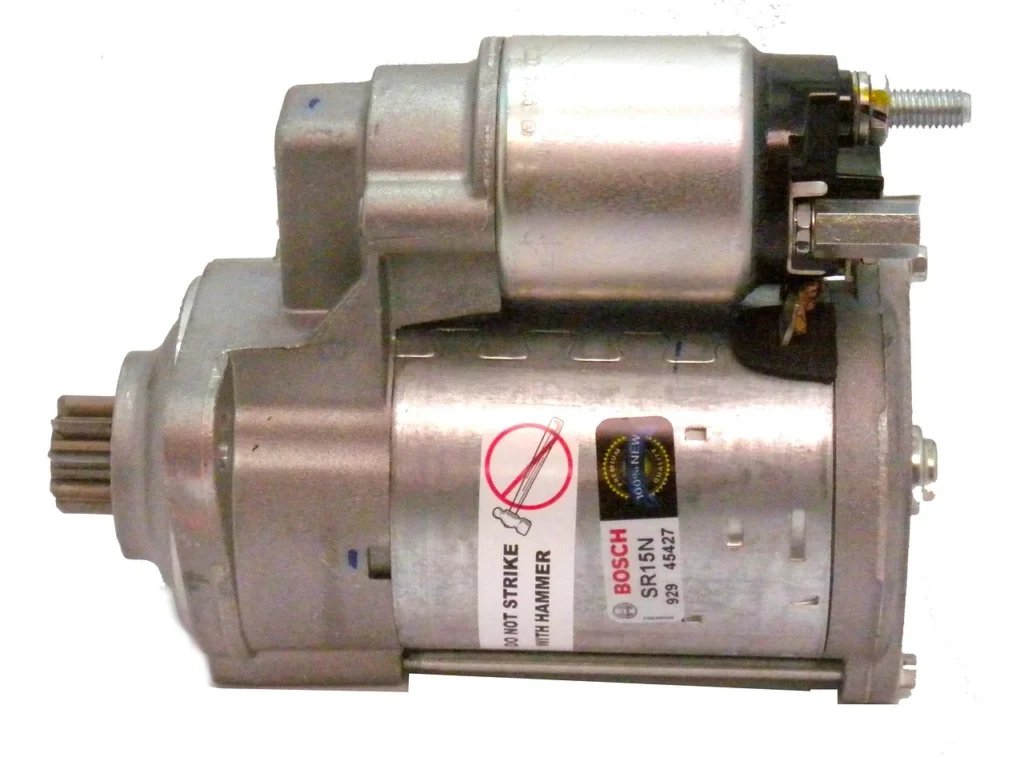
The exhaust gas recirculation, or EGR, valve is one of the more commonly misunderstood parts on a modern engine, largely because how it fails, and what fixing it costs, genuinely differs between diesel and petrol vehicles. Diesels tend to see EGR problems considerably more often, mostly down to how much more soot and carbon builds up in a diesel exhaust system compared with petrol.
What the EGR valve does
The EGR valve recirculates a controlled amount of exhaust gas back into the engine’s intake, which reduces combustion temperature and cuts down on harmful nitrogen oxide emissions. It’s an emissions control component rather than something that affects performance directly, though a faulty EGR valve can still cause rough running, reduced power, and a noticeably higher fuel consumption if it’s stuck in the wrong position.
Diesel versus petrol EGR issues
- Diesel engines produce more soot and carbon deposits, which build up inside the EGR valve and its passages over time far more readily than on petrol engines
- Diesel EGR valves more commonly need cleaning as routine maintenance, sometimes before full replacement is needed
- Petrol EGR faults are comparatively less frequent but tend to point more often toward an electrical or actuator fault rather than carbon blockage
- Diesel particulate filter and EGR issues are often linked, since one system’s inefficiency can affect the other
Cleaning versus replacement
Where a diesel EGR valve is blocked with carbon but the valve mechanism itself still moves freely once cleaned, a professional clean using the correct solvents and equipment can restore proper function at a noticeably lower cost than replacement. Where the valve’s internal mechanism has failed, the actuator motor has died, or the valve is too badly seized or damaged to clean effectively, replacement becomes the only reliable option.
Typical cost breakdown
A professional EGR valve clean, including diagnostic assessment, typically costs somewhere between £100 and £180. A full EGR valve replacement, supplied and fitted, generally runs from around £200 up to £450 depending on the vehicle and how accessible the valve is, with some engines requiring more disassembly to reach it than others.
Preventing EGR problems from returning
Once an EGR valve has been cleaned or replaced, driving style and journey type still play a part in how quickly carbon builds up again, particularly on diesel engines. Regular longer journeys that let the engine reach and sustain higher operating temperatures help keep carbon deposits from accumulating as quickly as they do on a car used almost exclusively for short, low-speed trips. Using a good quality fuel and keeping up with routine servicing also supports overall combustion efficiency, which indirectly reduces how much soot and carbon the EGR system has to deal with over time.
Some newer diesels include a degree of EGR system self-cleaning built into their software, though this does not eliminate the need for a proper physical check and clean at appropriate service intervals.
A properly functioning EGR system is not just an emissions checkbox either, it plays a genuine part in engine longevity by reducing peak combustion temperatures, so keeping it in good working order benefits the engine generally rather than only mattering for passing a test.
If you tow regularly, drive mostly short urban journeys, or notice your engine management light returning repeatedly after a clean, it is worth discussing with your mechanic whether replacement makes more long-term sense than repeated cleaning, since persistent recurrence can sometimes indicate the valve mechanism is already beginning to fail mechanically.
A rattling noise from the EGR valve area on tickover, distinct from other engine noises, can sometimes indicate the valve mechanism itself is loose or wearing internally, worth mentioning specifically during any diagnostic appointment.
What happens if you ignore EGR problems
A blocked or faulty EGR valve left unaddressed can contribute to increased soot loading elsewhere in the exhaust system, including the DPF on diesel cars, and can cause rough idling, reduced fuel economy, and eventually trigger the engine management light staying on, which on some cars also affects whether the vehicle passes its next MOT emissions check.
What a mechanic actually checks before quoting EGR work
A proper assessment includes reading live data from the EGR valve’s position sensor to confirm it’s genuinely moving through its full range rather than sticking partway, and a visual inspection once the valve is accessible to judge whether carbon buildup is light enough to respond to cleaning or has progressed to the point where the mechanism itself is compromised. The technician will also check related sensors and the wider intake system for carbon contamination, since a badly blocked EGR system can deposit carbon further into the intake manifold, which sometimes needs addressing alongside the valve itself for the repair to fully resolve the original symptoms.
How EGR faults compare with other rough-running causes
Rough idling and reduced power aren’t always the EGR valve. A dirty throttle body, a vacuum leak, or worn spark plugs on a petrol engine can all produce broadly similar symptoms. On diesels specifically, EGR faults are more commonly linked to the specific pattern of reduced power alongside a stored EGR-related fault code, which is why a proper diagnostic scan reading the actual code, rather than symptoms alone, remains the most reliable starting point.
Why some EGR systems are cooled and others aren’t
Many diesel engines use a cooled EGR system, where the recirculated exhaust gas passes through a small cooler before entering the intake, further reducing combustion temperature and improving emissions performance. These cooler units can develop their own faults, becoming partially blocked with carbon or, less commonly, developing an internal coolant leak, both of which can produce symptoms similar to a straightforward EGR valve fault. A thorough diagnosis on a cooled system checks the cooler itself alongside the valve, since treating only the valve when the cooler is also contributing to the problem leaves the underlying symptom only partially resolved.
Fuel quality and its effect on EGR carbon buildup
Consistently using lower-quality fuel, or fuel from a source with inconsistent quality control, can contribute to faster carbon buildup throughout the exhaust and EGR system compared with using well-regarded, quality-controlled fuel consistently. This isn’t the dominant factor compared with driving pattern and journey length, but it’s a contributing one worth being aware of, particularly for drivers who’ve noticed EGR problems recurring more quickly than seems reasonable given their driving pattern.
Frequently asked questions
Can an EGR valve be cleaned more than once over the car’s life? Yes, and it’s a perfectly normal part of maintaining an older diesel, though a valve needing very frequent repeat cleaning may be approaching the point where replacement becomes the more sensible long-term choice.
Does an EGR fault affect the MOT test? It can, particularly if it’s contributing to an emissions failure or has triggered a stored fault code that shows up during the test’s diagnostic check, so addressing it before your test date is worth prioritising if you suspect a fault.
What happens during EGR cleaning or replacement in practice
For a cleaning job, the valve is removed where accessible and treated with a specialist solvent designed to break down carbon deposits without damaging the valve’s internal seals or mechanism, sometimes combined with careful physical cleaning of the intake passages the valve connects to. For replacement, the old valve is removed and the new unit fitted, reconnected electrically, and the ECU is checked to confirm it’s recognising and controlling the new valve correctly, since some vehicles need a brief relearning or calibration process after an EGR component is replaced for the system to operate at its full designed efficiency.
Frequently asked questions: does EGR cleaning improve fuel economy noticeably? Often yes, particularly if the valve had been stuck in a position that was affecting combustion efficiency, though the improvement varies depending on how significant the blockage was before cleaning.
Why proper diagnosis matters more with EGR faults than it might seem
Given how closely EGR symptoms can overlap with several other rough-running causes, and how the diesel-specific link to DPF health adds another layer of complexity, this is a fault category where a proper, methodical diagnostic approach genuinely pays for itself compared with replacing parts speculatively based on symptoms alone.
What to mention when booking an EGR-related check
Describing whether symptoms are worse when the engine is cold or once fully warmed up, and whether you’ve noticed any pattern linked to journey length, gives a mechanic genuinely useful context that can help distinguish an EGR fault from other similarly presenting issues before the car is even booked in.
Why keeping service records helps with recurring EGR issues
If your EGR valve has needed attention more than once, keeping a simple record of when each clean or repair happened, and roughly how many miles the car covered before the next issue appeared, gives a mechanic genuinely useful pattern data that can help decide whether continuing to clean the valve remains the sensible choice or whether the underlying wear pattern points toward replacement being the better long-term option.
It is also worth asking whether a post-repair test drive is included to confirm the fault code does not return once the car has been driven under a range of conditions, rather than simply clearing the code and assuming the underlying issue has been resolved.
None of this needs to feel overwhelming. A clear explanation of whether cleaning or replacement is the right call for your specific valve helps you understand exactly what you are paying for.
How EGR health connects to turbo and DPF longevity
A malfunctioning EGR system doesn’t operate in isolation. Excess soot production linked to a faulty valve places additional strain on the DPF, accelerating how quickly it blocks, and on turbocharged engines, carbon contamination from a poorly functioning EGR system can find its way into the intake and affect turbo performance over time too. This interconnected relationship is part of why addressing an EGR fault promptly is worth treating as protecting several related systems, not just resolving the immediate symptom in isolation.
A final word on managing EGR issues over the car’s life
Treating EGR health as part of routine diesel maintenance, rather than something only addressed once a warning light forces the issue, tends to keep the associated costs lower and more predictable over the vehicle’s remaining life.
A brief mention of your typical journey pattern, mostly short local trips or regular longer runs, helps a mechanic judge how likely a cleaned or replaced valve is to develop the same issue again, and whether a change in driving habits alongside the repair itself is worth discussing.
Finally, if your car has recently changed hands, checking service history for any prior EGR work gives a useful baseline for understanding whether current symptoms represent a first occurrence or part of an ongoing pattern worth discussing more thoroughly with your mechanic.
Taking the time to mention any recent changes in driving pattern, a new commute or a change in typical journey length, helps a mechanic understand whether recent EGR symptoms might simply reflect a change in how the car is being used.
Getting a second opinion before committing to a full EGR valve replacement is always reasonable, particularly if cleaning has not yet been properly attempted or explained as an option.
Booking a proper diagnostic assessment promptly, rather than assuming replacement is automatically needed, remains the most reliable way to keep this repair on the smaller end of the scale.
A short conversation about your typical mileage and driving pattern helps a mechanic judge how likely the valve is to need attention again within the next year or two.
A final practical note: keeping receipts for all EGR related work in one place makes tracking recurring patterns, and any warranty claim, considerably more straightforward.
This small habit costs nothing and can save a genuine amount of hassle later on.
If your engine management light is on or you’ve noticed rough running and higher fuel use, it’s worth having the EGR system properly diagnosed. See the RAC’s guide to emissions faults for more background, then get your instant quote.
Frequently asked questions
Can an EGR valve be cleaned instead of replaced?
Often yes on diesel engines, if the valve mechanism still moves freely once carbon deposits are cleaned away, though a mechanically failed valve needs replacing.
Does blocking the EGR valve improve performance?
It is not recommended, since it disables an emissions control system, is likely to fail an MOT emissions check, and can cause other running issues.
Why do diesels have more EGR problems than petrols?
Diesel exhaust produces more soot and carbon, which builds up inside the valve and its passages considerably faster than on a petrol engine.
Is a faulty EGR valve dangerous to drive with?
Not typically an immediate safety issue, but it can cause rough running, reduced power, and higher emissions, so it is worth fixing reasonably promptly.