

A grinding noise every time you press the brake pedal is one of the more unsettling sounds a car can make, and for good reason, since it very often means your brakes have worn down further than they should have been allowed to. This guide explains what usually causes grinding when braking, why it matters, and what to do about it.
Why grinding almost always means metal on metal
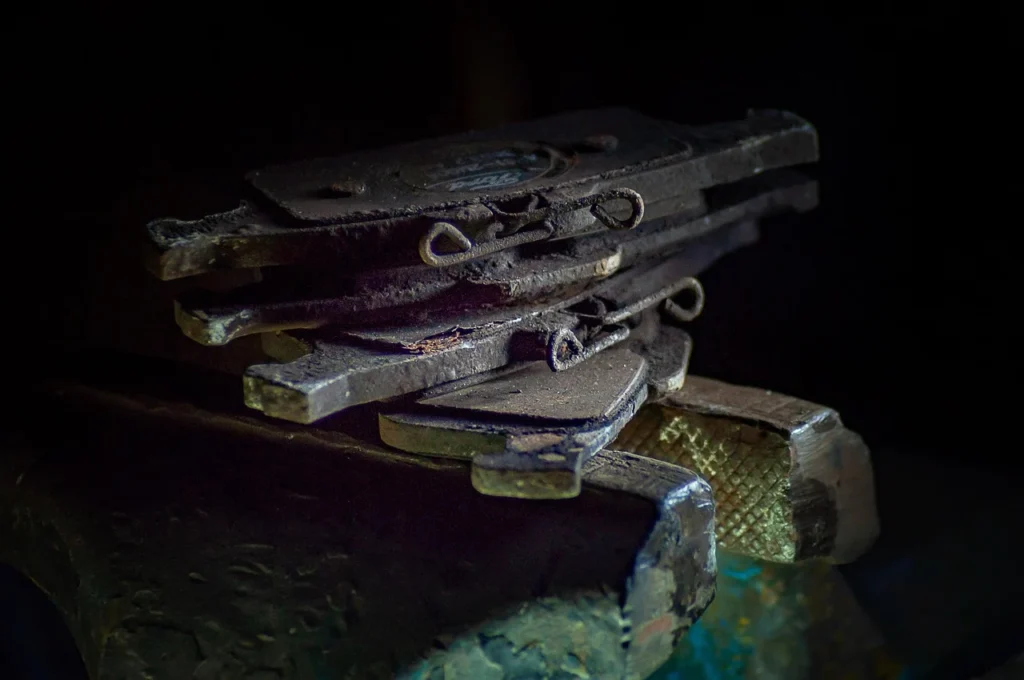
Brake pads are designed with a layer of friction material bonded to a metal backing plate, and that friction material is what should be contacting the brake disc every time you brake, wearing down gradually and predictably over tens of thousands of miles. A grinding noise when braking almost always means that friction material has worn away completely, leaving the bare metal backing plate grinding directly against the disc surface every time you brake. This is not a sound to ignore or hope clears up, since metal on metal contact damages the disc surface with every single application of the brakes, turning what should have been a straightforward pad replacement into a more expensive job involving new discs as well.
Other possible causes of a grinding sound
While worn pads are the most common cause by a considerable margin, grinding can occasionally come from a stone or piece of road debris trapped between the disc and the caliper or backplate, producing a similar sound that clears once the debris is removed. A seized caliper slider or a sticking caliper piston can also cause an unusual grinding or scraping sound as the pad drags unevenly against the disc even when the brakes are not being actively applied. Rarely, a wheel bearing that has failed badly enough can produce a noise that some drivers describe as grinding, though this typically changes with road speed rather than specifically when the brake pedal is pressed, which is a useful distinction when trying to identify the actual source.
Why you should not keep driving on grinding brakes
Continuing to drive with grinding brakes is a genuine safety risk, since braided down pads mean significantly reduced stopping power exactly when you need it most, and the damage to the disc surface compounds with every mile driven, increasing the eventual repair cost. Beyond the immediate safety concern, severely worn pads left unaddressed can eventually damage the caliper itself if metal contact becomes severe enough, turning a two part repair into a three part one. If you hear grinding when braking, treating it as urgent rather than something to deal with next week or next month is the right call, both for your own safety and to limit the extent of the damage already being caused.
What a brake inspection actually involves
A proper brake check involves removing the wheels to visually inspect pad thickness directly, rather than relying on sound or feel alone, since pad wear can be uneven and a partial view through the wheel spokes does not always tell the full story. The discs are checked for scoring, grooving, or uneven wear that would indicate they need replacing alongside the pads rather than being reused with fresh pads fitted. Caliper sliders and pistons are checked for smooth, free movement, since a sticking caliper causing uneven pad wear on one side will simply create the same grinding problem again within a relatively short time if it is not addressed as part of the same repair.
What a brake pad replacement typically costs and involves
The cost of a brake pad replacement varies depending on whether discs also need replacing, the specific vehicle, and whether genuine or reputable aftermarket parts are used, but it is generally one of the more predictable and manageable repair costs on any car when caught before serious disc damage occurs. The job itself involves removing the wheel, retracting the caliper piston, fitting new pads, and in many cases applying a small amount of anti-squeal compound to the back of the pads to reduce future noise, before torquing the wheel back on and testing the brakes at low speed before driving normally again.
Signs your brakes were already overdue before grinding started
Grinding is usually the final stage of a wear process that gave earlier warnings most drivers either missed or dismissed. A high pitched squeal, often from a built in wear indicator specifically designed to make noise before pads wear down completely, typically appears weeks or months before grinding starts, giving a genuine early warning window that is easy to overlook if you are used to occasional brake noise on damp mornings. A spongy or longer than usual brake pedal travel, or a car that seems to take slightly longer to stop than it used to, are both worth paying attention to as well, since they can indicate developing wear well before things reach the grinding stage.
Why regular brake checks matter more than most people think
Brakes are one of the few components on a car where waiting for an obvious symptom before checking them is genuinely risky, since the consequences of a failure are considerably more serious than most other wear items. Having brakes checked as part of a routine service, rather than only when something already sounds or feels wrong, catches wear at the squeal stage rather than the grinding stage, saving money on discs and giving you the peace of mind of brakes that are actually performing at their best rather than merely still functioning.
Getting grinding brakes fixed with SSK Mechanics
If your brakes are grinding, do not wait to have it looked at. SSK Mechanics offers mobile front brake pads replacement across West Yorkshire and Bradford, coming to your home or workplace to inspect the full braking system, replace worn pads and any damaged discs, and get you back on the road safely without the hassle of booking into a garage forecourt.
Front versus rear brake wear and why it differs
Front brakes generally wear faster than rear brakes on most cars, since weight transfers forward under braking, meaning the front brakes do a disproportionate share of the actual stopping work on every single application. This is why front pads often need replacing considerably more often than rear ones, and why grinding is statistically more likely to develop at the front first, though rear brakes are certainly not immune, particularly on cars with a rear biased weight distribution or where the rear brakes also handle the handbrake mechanism, which can introduce its own additional wear pattern over time. Understanding this difference helps explain why a mechanic might recommend front pad replacement considerably sooner than rear, and why treating all four corners as identical in terms of expected wear life is not accurate for most vehicles.
How driving style affects how quickly pads wear down
Aggressive, late braking wears pads down considerably faster than smooth, anticipatory braking that begins earlier and slows the car more gradually, since harder braking generates more heat and friction with every application. Stop-start city driving, common across busy West Yorkshire towns, tends to wear brakes faster than steady motorway cruising simply due to the sheer number of braking events involved over a comparable distance. Towing, carrying heavy loads regularly, or frequently driving in hilly terrain where engine braking alone is not enough to control speed on descents all accelerate wear too. None of this means aggressive braking should never happen, since safety always comes first, but it does mean drivers who brake harshly and often should expect to budget for more frequent brake replacement than those with smoother, more anticipatory habits.
Why using genuine or reputable quality parts matters here
Brake pads are one component where cutting corners on quality genuinely is not worth the modest saving involved, since braking performance directly affects your safety and that of everyone else on the road around you. Cheap, unbranded pads can wear unevenly, generate more brake dust, produce more noise, and in some cases offer noticeably reduced stopping performance compared with reputable branded alternatives specifically designed and tested for your particular vehicle. A good mechanic will fit parts matched to your car’s specific braking system requirements, and it is always worth asking what brand of pads and discs are being fitted before work begins, so you know exactly what you are paying for and can be confident in the quality of the repair.
What happens if you delay a brake repair too long
Beyond the immediate safety risk, delaying a brake repair once grinding has started allows damage to spread and compound. A disc that starts with light scoring can quickly develop deeper grooves, uneven thickness, and eventually a warped surface that causes vibration through the brake pedal or steering wheel under braking. Calipers exposed to prolonged uneven pressure from a worn pad can develop sticking pistons or damaged slider pins, turning a job that should have involved just pads and discs into one requiring caliper attention as well. Brake fluid and hoses are rarely affected directly by pad wear, but the overall cost of the repair climbs steadily the longer grinding is left unaddressed, making early action the cheaper option in almost every case rather than the more cautious or conservative one.
A quick checklist before your appointment
Before booking a brake repair, it helps to note down when the grinding started, whether it happens on every single brake application or only sometimes, whether it is louder on one side of the car than the other, and whether you have noticed any change in how the pedal feels, spongy, longer travel, or pulsating under braking. This information helps a mechanic prepare properly and gives a more accurate initial estimate of what is likely needed, though a physical inspection with the wheels off always remains the only way to confirm exactly what state the pads, discs and calipers are actually in before committing to any specific repair.
Why mobile brake repairs make sense for this kind of fault
Because grinding brakes are urgent rather than something to schedule weeks in advance, a mobile repair service that can attend your home or workplace quickly has a genuine practical advantage over booking into a garage and waiting for an available slot, particularly if you are reluctant to drive far on brakes that are already showing serious wear. SSK Mechanics focuses on West Yorkshire; appointment and completion timing depend on the live diary, vehicle, job, location and safe working conditions, and are confirmed during booking.
Final thought on trusting your ears
Drivers often know their own car well enough to notice a change before they can fully explain what it is, and that instinct is worth trusting. If a new grinding sound has appeared when braking, do not wait for a second opinion from a passenger or talk yourself out of it because the car still seems to stop fine for now. Book it in, get the wheels off and the pads properly checked, and treat the small cost of an inspection as cheap insurance against a considerably larger repair bill and a genuinely serious safety risk further down the line.
A quick call or booking today, rather than another few weeks of driving on grinding brakes, is the simplest decision you can make to protect both your car and everyone travelling with you.
Brakes are not a component worth taking chances with, and getting them properly assessed the moment something sounds wrong is always time well spent.
Whether the fix ends up being pads alone or pads and discs together, a proper inspection removes the guesswork and gives you a clear, upfront price before any work begins.
That kind of transparency matters when it comes to essential safety repairs, and it is exactly what a proper mobile brake inspection is designed to deliver.
Book it in as soon as you notice the noise, rather than waiting to see how much worse it gets over the following weeks.
Source: GOV.UK vehicle safety checks