

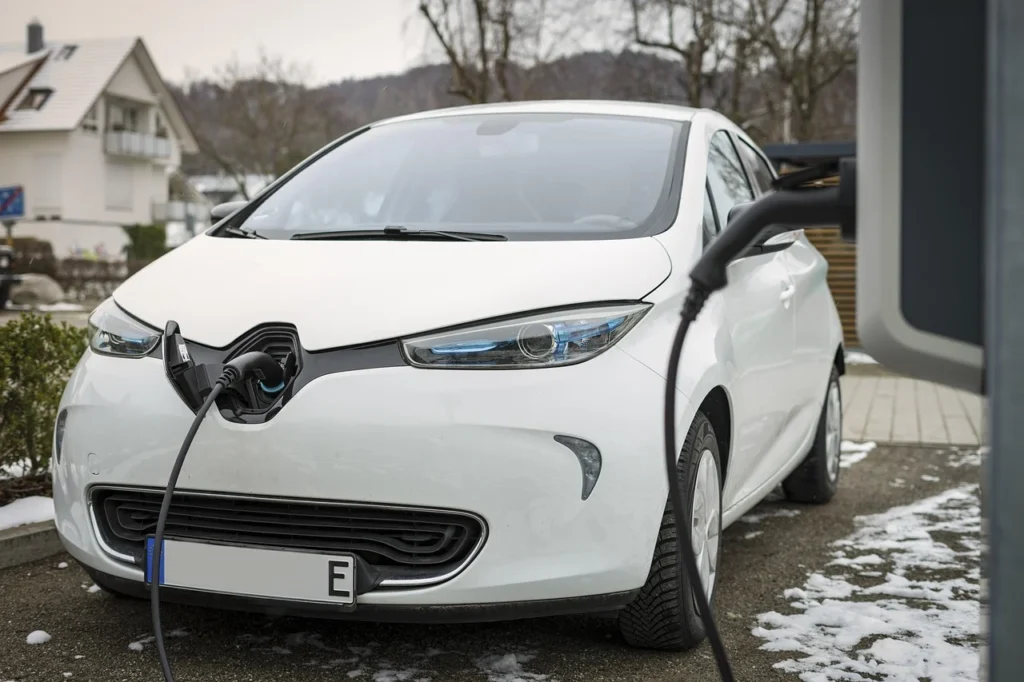
Hybrid battery lifespan is one of the most common worries for anyone considering, or already owning, a hybrid car, and it’s a fair question given how central that battery is to the car’s performance and value. The honest answer is that most hybrid batteries last considerably longer than early scepticism suggested, but “longer” still has real limits worth understanding, along with the factors that push individual batteries toward the shorter or longer end of that range.
What the manufacturers actually promise
Most manufacturers back their hybrid batteries with warranties covering somewhere between eight and ten years, or a substantial mileage figure, often well over 100,000 miles, whichever comes first. These warranty periods reflect genuine confidence in the technology’s durability rather than a bare legal minimum, and real-world data increasingly shows batteries frequently outlasting even these already generous warranty periods.
How hybrid batteries actually degrade
Unlike a fuel tank that’s either full or empty, a hybrid battery’s usable capacity shrinks gradually over thousands of charge and discharge cycles, a process influenced by heat, charging patterns and simple chronological age. Early degradation is often barely noticeable, a slightly reduced electric-only range or marginally less punchy acceleration in EV mode, long before it becomes a genuine functional problem.
What actually shortens a hybrid battery’s life
Consistently exposing the battery to extreme heat, repeatedly running it down to very low charge levels, and simple high mileage covered over many years all contribute to faster degradation than a battery kept in more moderate conditions and used more gently. Climate plays a genuine role here too, hybrids used in consistently hot climates tend to show somewhat faster battery ageing than those used in the UK’s generally milder conditions.
- Extreme heat exposure over sustained periods
- Frequent deep discharge to very low battery levels
- High annual mileage covered over many years
- Poor cooling system maintenance on the battery pack itself
- Age alone, independent of mileage, due to gradual chemical wear
Signs a hybrid battery might be degrading
A gradually shrinking electric-only driving range, the combustion engine kicking in earlier and more frequently than it used to, reduced fuel economy overall, and occasionally a dashboard warning light are the typical early indicators. None of these necessarily mean imminent failure, but they’re worth having assessed properly rather than assumed to simply be “how the car is now.”
How a hybrid battery health check actually works
A proper health check assesses individual cell voltages and balance within the battery pack, along with overall capacity compared to the manufacturer’s original specification. This gives a genuinely useful percentage figure for remaining battery health, far more informative than simply judging by how the car feels to drive, and it’s particularly valuable before buying a used hybrid where battery condition significantly affects value.
What happens if a hybrid battery does eventually fail
A full hybrid battery replacement is a genuine cost, though prices have fallen considerably as the technology has matured and aftermarket and reconditioned options have become more widely available alongside official manufacturer parts. Partial repairs, replacing only the specific failed cells or modules within the pack rather than the entire unit, are increasingly common too, which can bring the cost down significantly compared to a full replacement.
Extending your hybrid battery’s working life
Avoiding unnecessary deep discharges, not leaving the car parked in extreme heat for extended periods where avoidable, and keeping up with the battery’s cooling system maintenance all genuinely help extend usable life. None of these are dramatic changes to how you drive day to day, just sensible habits that reduce unnecessary strain on the pack over years of ownership.
Booking a health check with SSK Mechanics
Whether you’re a long-term owner wanting reassurance or considering buying a used hybrid, a proper hybrid battery health check gives you a clear, specific answer rather than guesswork about one of the most important and expensive components in the entire car.
Comparing early hybrids to modern ones
Early hybrid models from the late 1990s and early 2000s used less refined battery chemistry and management systems than today’s cars, and some genuinely did show more noticeable degradation over time. Modern hybrids benefit from considerably improved battery chemistry, more sophisticated thermal management, and smarter charging algorithms that actively protect the battery from the extremes of charge and heat that accelerate wear, meaning today’s hybrids generally age more gracefully than their earlier counterparts.
Does mileage or age matter more for hybrid batteries?
Both play a role, but age tends to be the more consistent driver of gradual capacity loss, since chemical degradation continues even while a car sits unused, while mileage more directly reflects the number of charge cycles the battery has actually experienced. A high-mileage hybrid that’s been driven gently and kept out of extreme heat can genuinely outlast a lower-mileage one that’s spent years parked outside in harsh conditions.
What buyers should ask when considering a used hybrid
Beyond the standard used car questions around service history and MOT records, ask specifically whether the hybrid battery has ever been tested, and if not, factor a battery health check into your decision-making process before committing to buy. A seller confident in their car’s condition should have no objection to an independent check being carried out as part of the purchase process.
Why battery anxiety is often overstated
Hybrid battery failure gets disproportionate attention in general conversation compared to how often it actually happens in practice, partly because it sounds dramatic and partly because early, less reliable technology shaped public perception years ago. The reality for most well maintained modern hybrids is a battery that comfortably outlasts several years, often the entire useful life, of the car built around it.
Battery chemistry and why it matters for longevity
Most modern hybrids use nickel-metal hydride or lithium-ion battery chemistry, each with slightly different degradation characteristics, tolerance for heat, and typical lifespan expectations. Lithium-ion, increasingly common in newer hybrids, generally offers better energy density and can be more sensitive to extreme temperature and charge level extremes than the older nickel-metal hydride chemistry still used in some models, which is worth understanding if you’re comparing hybrids from different generations or manufacturers.
What manufacturers are doing to extend battery life
Increasingly sophisticated battery management systems actively limit how fully a hybrid battery charges and discharges during normal use, deliberately avoiding the extremes that accelerate wear even though this slightly reduces the battery’s apparent usable capacity in exchange for genuinely extending its working life. This is a deliberate design trade-off rather than a limitation, and it’s part of why modern hybrid batteries tend to outlast expectations set by older technology.
Putting hybrid battery life in perspective
Compared to other major car components that eventually need replacement, a clutch, a timing belt, an exhaust system, a hybrid battery lasting eight to fifteen years or more is genuinely comparable to, or better than, many conventional wear items on a petrol car over the same ownership period. Framed that way, hybrid battery longevity looks considerably less alarming than the general public conversation around it sometimes suggests.
What owners can realistically expect year to year
Most owners of well maintained modern hybrids report barely noticing any change in how the car drives for the first five to eight years, with degradation becoming more perceptible, though rarely dramatic, from around that point onward depending on mileage and conditions. This gradual pattern is exactly why periodic health checks are more useful than waiting for an obvious symptom to appear before investigating.
A sensible approach for current and prospective owners
Rather than fixating on worst-case failure scenarios, a more useful approach is simply building a periodic hybrid battery health check into your car’s routine maintenance, giving you real data to work from rather than anxiety based on outdated assumptions about early hybrid technology that modern batteries have largely moved past.
Getting the reassurance you need
If hybrid battery lifespan is genuinely on your mind, whether you already own one or are considering buying, a proper health check settles the question with real data specific to your car rather than general statistics that may or may not reflect your particular vehicle’s actual condition.
Real-world examples of hybrid battery longevity
Taxi fleets, which rack up extremely high annual mileage on hybrid vehicles, have provided some of the most useful real-world data on battery durability, with many examples of hybrid taxis covering several hundred thousand miles on their original battery pack before any replacement was needed. While private ownership mileage rarely approaches these figures, this kind of evidence has meaningfully shifted industry and public confidence in hybrid battery durability over the past decade.
How insurance and finance companies view hybrid batteries
Insurers and finance providers increasingly treat hybrid batteries as a well understood, low-risk component rather than a speculative unknown, which is reflected in generally comparable insurance premiums and finance terms between hybrid and equivalent petrol models. This shift in how the wider industry treats the technology is itself a reasonable indicator of growing confidence in hybrid battery reliability over the years since the technology first launched.
What this means for long-term ownership planning
If you’re planning to keep a hybrid for a decade or more, understanding the realistic degradation curve for your specific model, rather than relying on outdated general assumptions, helps you plan sensibly for eventual battery health checks or, in the unlikely event it’s needed, a repair or replacement, without unnecessary anxiety clouding an otherwise sound ownership decision.
The honest bottom line
Hybrid battery lifespan, for the vast majority of well maintained modern cars, is measured in many years and often the full useful life of the vehicle rather than being a looming, imminent concern. A periodic health check simply confirms that reality specifically for your car, replacing general anxiety with genuine, personal reassurance.
For most drivers considering a hybrid, or already several years into ownership, the practical takeaway is straightforward: drive reasonably, avoid unnecessary extremes of heat and deep discharge where you can, and get the battery checked periodically rather than waiting for a problem to announce itself. That combination of sensible habits and occasional verification is really all that’s needed to get the long, reliable service most modern hybrid batteries are genuinely capable of delivering.
How dealer and independent battery checks compare
Main dealer battery health assessments and independent mobile mechanic checks generally use comparable diagnostic principles, reading cell data through the onboard system, though independent checks are often more competitively priced and considerably more convenient given the mobile format, without any meaningful difference in the accuracy or usefulness of the results produced.
It is also worth remembering that battery technology, chemistry and management software have all continued to improve steadily since hybrids first became mainstream, meaning a hybrid bought new today benefits from years of accumulated engineering refinement that earlier models simply did not have access to, which is part of why comparing modern battery longevity directly against early 2000s hybrids paints an unfairly pessimistic picture.
Ultimately, the question of hybrid battery lifespan is best answered with data specific to your own car rather than general statistics alone, and a proper health check is the most direct, reliable way to get that answer whenever you feel the need for genuine reassurance rather than assumption.
Whatever stage of hybrid ownership you are at, understanding the real picture around battery lifespan, rather than relying on outdated assumptions, helps you make calmer, better informed decisions about maintenance, budgeting and how long you plan to keep the car.
That kind of clear, model-specific understanding is far more useful than any general statistic, and it is exactly what a proper hybrid battery health check with an experienced local mechanic can provide, whenever you feel ready to have that question settled for good.
Get in touch to book a hybrid battery health check with a mechanic who knows exactly what to look for.
We are ready to help you get the answers you need. Reach out today and let our experienced team take a proper look at your car’s hybrid battery health. Get in touch now.
Frequently asked questions
How many years does a typical hybrid battery last?
Most hybrid batteries are warrantied for eight to ten years or a substantial mileage figure, and real-world data often shows them lasting well beyond that period.
Does hot weather really damage a hybrid battery?
Yes, sustained extreme heat accelerates the chemical degradation process inside the battery, though the UK climate is generally milder than regions where this is a bigger concern.
How much does a hybrid battery replacement cost?
Costs vary significantly by vehicle and whether a full replacement or partial cell repair is possible, with reconditioned and aftermarket options generally bringing the price down considerably.
Can a hybrid battery be repaired instead of replaced?
Often yes, since many failures involve specific cells or modules within the pack rather than the entire unit, allowing a more targeted and cheaper repair in many cases.
How do I check a hybrid battery before buying a used car?
A dedicated hybrid battery health check assesses cell balance and remaining capacity, giving a much more reliable picture than simply judging by how the car drives on a test drive.