

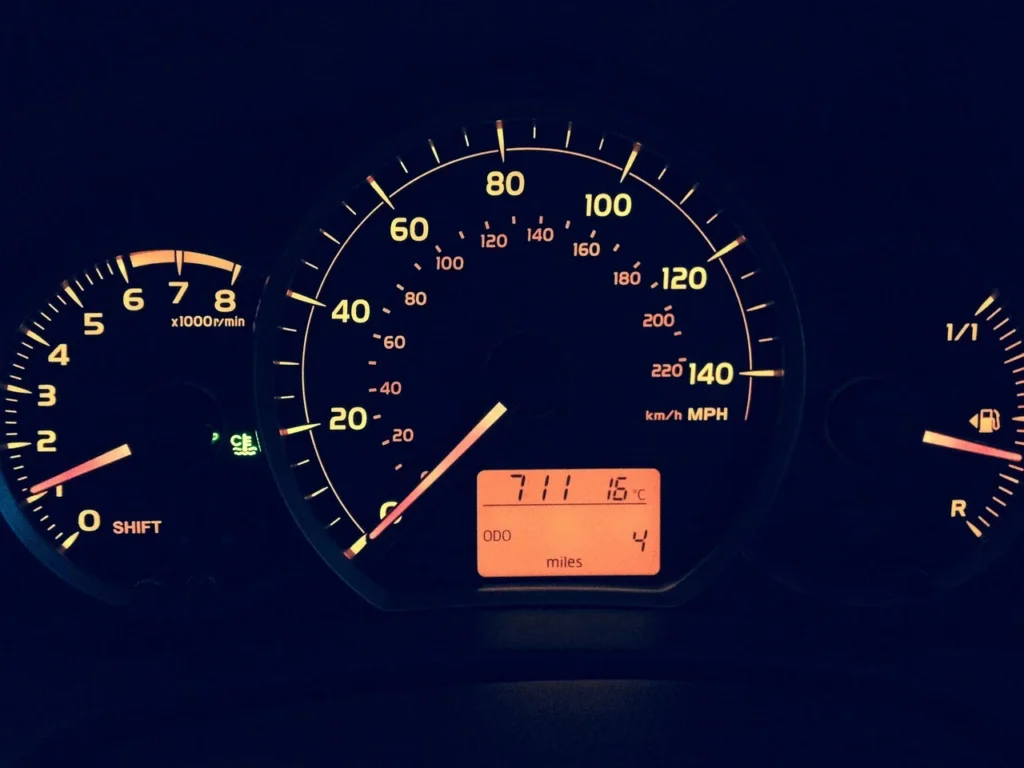
Two of the simplest and most valuable checks you can carry out before buying a used car are a mileage verification and an MOT history check, and both can be done in a matter of minutes using nothing more than the car’s registration number. Despite being free and straightforward, a surprising number of buyers skip these checks entirely, only to discover problems after the sale is already complete. This guide explains exactly how to carry out both checks properly and what to do with the information they reveal.
Why mileage matters so much
Mileage is one of the biggest factors influencing both a car’s value and its likely condition. Higher mileage generally means more wear on the engine, transmission, suspension and other major components, and buyers understandably expect to pay less for a car that has covered more miles. This creates a financial incentive for a small minority of dishonest sellers to reduce a car’s recorded mileage artificially, a practice known as clocking, making the car appear to be a better prospect than it genuinely is.
Beyond the financial impact, buying a car with a rolled back odometer means you have an inaccurate picture of how much life realistically remains in components like the clutch, timing belt, and suspension bushes, all of which are typically replaced or serviced based on mileage intervals recommended by the manufacturer.
How to check MOT history for free
The UK government provides a free, official MOT history checker that anyone can use with just a car’s registration number. This service shows every MOT test the car has undergone, including the date, result, mileage recorded at the time, and any advisories or reasons for failure noted by the tester. It is an invaluable, completely free resource that takes only a minute or two to use, yet it remains underused by many buyers.
Cross-reference the mileage shown at each MOT test against what the seller is currently telling you and what the odometer displays. A steadily increasing mileage across each test is what you want to see. Any instance where mileage appears to have dropped between tests is a serious red flag that needs a clear, satisfactory explanation before you proceed further.
What MOT advisories can tell you
Beyond just confirming mileage, MOT history reveals a useful timeline of advisories, which are notes made by the tester about components that are not yet a failure but are worth monitoring. Recurring advisories about the same component across multiple tests can indicate a problem that has been repeatedly ignored rather than properly addressed, which tells you something meaningful about how the car has actually been maintained versus how well the seller claims it has been looked after.
A pattern of advisories relating to suspension, brakes, or corrosion, for example, suggests these areas deserve particularly close attention during a physical inspection, since the MOT history is effectively flagging exactly where to look more carefully.
Comparing mileage against service records
A genuine service history provides another valuable cross-check for mileage accuracy. Each service stamp typically records the mileage at that visit, giving you multiple data points to compare against both the current odometer reading and the MOT history. Consistency across all these sources builds confidence that the mileage is genuine, while any significant discrepancy between service records, MOT history, and the current reading should be investigated thoroughly before you commit to buying.
If a seller claims to have full service history but cannot produce the actual service book or digital records to support this claim, treat the claim with appropriate scepticism until you can verify it properly.
Physical signs of high genuine mileage versus clocking
Beyond the paperwork, physical wear can offer clues about whether a car’s mileage seems consistent with its claimed history. A driver’s seat bolster that is heavily worn, a steering wheel with significant shine or wear on the grip area, and pedal rubbers worn smooth are all signs more consistent with higher mileage than a car claiming to have covered relatively few miles. While not conclusive proof on their own, these physical signs are worth weighing alongside the paperwork evidence when forming an overall judgement.
Conversely, a car showing genuine signs of low mileage wear, such as barely marked pedal rubbers and a crisp, unworn steering wheel, that also has consistent paperwork supporting a low mileage claim gives you good reason for confidence in what you are being told.
Running a full vehicle history check
Beyond the free MOT checker, a paid vehicle history check adds further valuable information not covered by the MOT service alone. These checks reveal whether the car has any outstanding finance owing, whether it has previously been declared a write-off following an accident, and whether it has ever been reported stolen. Buying a car with undisclosed outstanding finance can leave you legally liable for the remaining debt even after paying the seller in full, making this an essential check rather than an optional extra.
A history check typically costs a small fee and takes just a few minutes to complete, using nothing more than the registration number, making it one of the best value protective steps available to any used car buyer.
What write-off categories mean for mileage and value
If a history check reveals the car was previously written off, understand what category it fell under, since this significantly affects both value and safety considerations. Cars that have been structurally repaired following a Category S write-off, for example, can be legally returned to the road but should be inspected extremely carefully by an independent mechanic before purchase, given the potential for compromised structural integrity if the repair was not carried out to a high standard.
Putting it all together before you buy
The most thorough approach combines all of these checks together rather than relying on any single one in isolation. Start with the free MOT history checker to confirm mileage consistency and review advisory patterns, follow up with a paid vehicle history check to confirm finance and write-off status, cross-reference everything against available service records, and finish with a physical inspection to check that wear patterns are consistent with the claimed mileage and history. Together, these steps give you a comprehensive, evidence based picture of the car’s true condition and history.
What to do if something does not add up
If any of these checks reveal an inconsistency, whether it is a mileage discrepancy, a missing service record, or an undisclosed write-off, raise it directly and calmly with the seller and give them the opportunity to explain. In some cases there is a genuine, innocent explanation, such as an instrument cluster having been legitimately replaced under warranty with the correct mileage subsequently recorded through official channels. In other cases, the explanation will be unsatisfactory, and that should be treated as a clear signal to walk away from the deal rather than proceeding on trust alone.
Book a full pre-purchase check with us
While mileage and MOT history checks are quick and free to carry out yourself, pairing them with a full independent pre-purchase inspection and history check gives you the strongest possible protection before committing to a used car purchase. We offer a comprehensive vehicle history and registration check alongside our physical inspection service, covering mileage consistency, finance status, write-off history and full mechanical condition, so you can buy with complete confidence rather than any lingering doubt.
Using our reg check tool
To make this process as simple as possible, we offer a straightforward registration check tool that pulls together key history information in one place, giving you a fast, clear starting point before you commit any further time or money to a particular car. Enter the registration and you receive a summary covering MOT status, tax status, and key vehicle details, which you can then follow up with a full paid history check and physical inspection for complete peace of mind.
Using a tool like this early in your search, before you have even arranged a viewing, helps you quickly filter out listings with obvious problems, saving you time that would otherwise be spent viewing cars that were never a good prospect in the first place.
Common myths about mileage and value
A persistent myth among some buyers is that low mileage always equals a better car, and high mileage always equals a worse one. In reality, a high mileage car that has been serviced diligently and driven mostly on motorways, causing less mechanical stress than frequent short urban trips, can often be in better genuine condition than a lower mileage car that has sat unused for long periods or been driven exclusively on short journeys that never let the engine reach full operating temperature. Mileage is one important data point, but it should always be weighed alongside service history, physical inspection findings, and how the car has actually been used and cared for.
Do not let a headline mileage figure alone dictate your decision without considering this fuller picture of the car’s genuine history and condition.
Final checklist before you commit
- Run the free official MOT history checker and confirm mileage consistency across all recorded tests.
- Review advisory patterns for repeated warnings about the same component.
- Run a paid vehicle history check to confirm finance, write-off and stolen vehicle status.
- Cross-reference service book stamps against MOT mileage records for consistency.
- Check physical wear against the claimed mileage during a full inspection.
Working through this checklist takes very little time but provides an enormous amount of protection against the handful of genuinely problematic used cars on the market, letting you buy with real confidence rather than simply hoping for the best.
Why sellers sometimes make honest mistakes
Not every mileage or history discrepancy is the result of dishonesty. Instrument clusters do occasionally get replaced under warranty following a genuine fault, and if this happens the replacement mileage is meant to be recorded and adjusted through official channels, but this process is not always followed perfectly by every garage. Similarly, a private seller might genuinely misremember or misstate a detail about the car without any intent to mislead. The key is not to assume the worst automatically, but to ask for a clear explanation and verify it where possible, rather than either dismissing a discrepancy too readily or assuming deliberate fraud without giving the seller a fair chance to clarify.
A seller who responds openly and provides supporting evidence, such as a warranty invoice showing an instrument cluster replacement, should generally be given the benefit of the doubt, whereas one who becomes defensive or evasive when asked a reasonable question deserves more scepticism.
Taking the guesswork out of your next purchase
Checking mileage and MOT history takes only a few minutes but consistently proves to be one of the most valuable steps in the entire used car buying process. It costs nothing beyond a small amount of time, requires no special expertise, and can immediately reveal whether a car deserves further attention or is better avoided altogether. Combined with a paid history check and a physical inspection, it forms the foundation of a genuinely safe, well informed used car purchase.
Make these checks a habit every time you consider a used car, regardless of how trustworthy the seller seems or how much you like the car on first impression, since even honest sellers can unknowingly pass on a car with an undiscovered problem.
Run our reg check tool today before your next viewing, and get in touch if you would like us to follow up with a full independent pre-purchase inspection, giving you the fullest possible picture before you hand over any money for your next car.
A few minutes of checking now can save you thousands of pounds and a great deal of stress later on.
We are here to help every step of the way, from the first check to the final handshake.
Book your check today and buy your next car with total peace of mind.
Until next time, drive safely and buy smart.
Thank you for reading, and good luck with your search.
Frequently asked questions
How can I check a car's MOT history for free?
You can check any UK car's MOT history for free using the official GOV.UK MOT history checker, simply by entering the registration number, which shows test dates, results and recorded mileage.
What is mileage clocking and is it illegal?
Mileage clocking is the illegal practice of winding back or tampering with an odometer to make a car appear to have covered fewer miles than it actually has, misleading buyers about its true condition and value.
How do I know if a car's mileage has been clocked?
Compare the current mileage against previous MOT test results online, check service book stamps for consistency, and look for wear on the steering wheel, pedals and seat that seems inconsistent with the claimed mileage.
Does MOT history show if a car has had a major repair?
MOT history shows advisories and failure reasons from each test, which can hint at developing or previous issues, but it does not show full repair details, so a separate history check and inspection are still worthwhile.
Is a full vehicle history check worth paying for?
Yes, a paid history check reveals outstanding finance, write-off status, and stolen vehicle markers that the free MOT checker does not show, making it a valuable extra step before buying.