

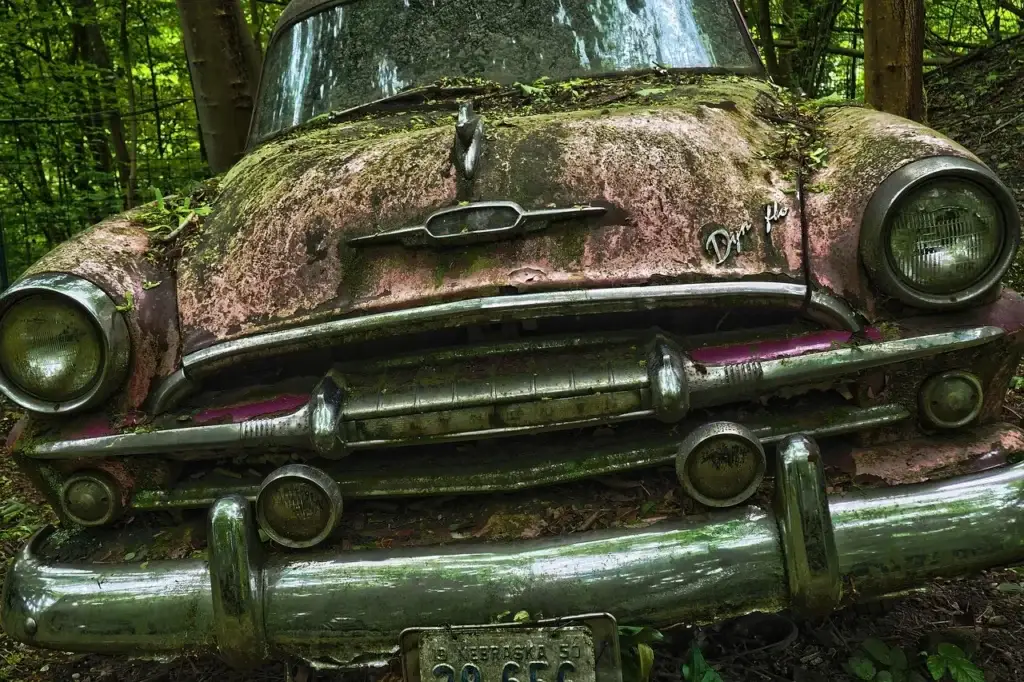
Every winter, councils across West Yorkshire spread thousands of tonnes of salt and grit on the roads around Bradford, Leeds and the surrounding towns to keep traffic moving through frost, ice and snow, and on the steep, exposed routes around places like Queensbury and Thornton this gritting happens earlier and more often than on flatter ground elsewhere in the country. It works well for grip, keeping buses, delivery vans and ordinary commuters moving through conditions that would otherwise close roads for days at a time. But it comes at a cost most drivers never see: a slow chemical assault on the underside of their car that quietly eats away at metal, brake lines and fixings long after the salt itself has washed off the visible bodywork and the roads look clear and dry again.
Why road salt is so aggressive on modern cars
Salt lowers the freezing point of water, which is exactly why it works so well on icy roads, but that same property makes it very good at staying wet and chemically active on metal surfaces for far longer than plain water would manage on its own. A splash of salty slush thrown up into a wheel arch does not simply sit there and dry out cleanly the way rainwater might. It clings stubbornly to brackets, pipework and seams, drawing in more moisture from the damp Yorkshire air and creating a persistent environment that speeds up oxidation far beyond what a single wet day would cause.
Modern cars use a mix of steel, aluminium and various protective coatings underneath, and while manufacturers apply treatments at the factory that are genuinely effective when new, those coatings degrade over years of use, stone chips and general wear. Once salt reaches bare metal through even a small chip or a worn seam, corrosion can start within days rather than months, particularly in the low-lying, damp pockets around Bradford’s valleys where surfaces rarely get the chance to dry out fully between one wet spell and the next.
Where corrosion typically starts on a car
The first places to suffer are usually the ones least visible during a casual glance underneath the car on the driveway. Brake pipes, handbrake cables and exhaust hangers are thin, exposed and constantly splashed by passing traffic and standing water, making them prime targets for early corrosion. Subframes and sill panels, especially around seam welds where two panels meet, also trap salty water and road grime in pockets that rarely dry properly even on a sunny day, since airflow struggles to reach into these tight recesses.
Suspension components such as coil springs and anti-roll bar links are another common casualty of a hard Yorkshire winter. These parts flex constantly as the car moves over uneven surfaces, which can crack any protective coating over time and expose fresh, unprotected metal to the elements. Once pitting starts on a coil spring, it becomes a genuine weak point that can eventually lead to the spring snapping under load, something that becomes noticeably more common on used cars sold locally after a run of two or three harsh winters in a row.
Bradford’s specific conditions make it worse
The hillier parts of the Bradford district, including areas like Queensbury, Thornton and Baildon, tend to get gritted more heavily and more frequently than flatter routes elsewhere because of the genuine risk of ice forming on inclines overnight. Cars that regularly climb these roads pick up considerably more salt exposure over the course of a winter than a car covering the same mileage on flat ground closer to the town centre. Combined with older terraced housing in some areas meaning more on-street parking rather than off-road garages, cars here often sit exposed to damp, salty air overnight as well as picking up fresh residue during the daily drive itself.
Local driving patterns also play a significant part in how much damage accumulates over a season. Short trips around the district, common for school runs, local shopping and quick journeys between nearby villages, rarely give the underside of a car enough sustained speed or airflow to shift standing moisture and grit residue from the wheel arches and chassis rails. A car doing mostly motorway miles clears itself far more effectively than one doing five-minute hops around Bradford’s residential streets through the coldest months of the year.
Signs that corrosion is taking hold
A number of warning signs suggest that salt damage has moved beyond a cosmetic surface issue and into something that needs proper attention. Rust streaks running down from wheel arch seams, a spongy or delayed feel in the brake pedal, or a new rattle from underneath the car after wet weather can all point to component wear that has been quietly building for months without the driver noticing until it becomes obvious.
- Rust-coloured staining on the inside of wheel rims or around arch liners after washing
- An MOT advisory or outright failure relating to corrosion on brake lines, fuel lines or structural points
- Increased road noise suggesting exhaust mounting rubbers have perished or metal hangers have rusted through completely
- Visible flaking or bubbling paint on sills, particularly near the rear wheel arches and lower door edges
- A handbrake that feels noticeably less effective, sometimes linked to a seized or internally corroded cable
What washing routines actually help
Rinsing the underside of the car, not just the visible bodywork and windows, is the single most effective habit a West Yorkshire driver can adopt through the salting season. Many jet washes and some drive-through car washes offer a dedicated underbody rinse setting, and using it every couple of weeks during the coldest months removes a large proportion of accumulated residue before it has the chance to do lasting damage to metal components underneath.
Paying particular attention to wheel arches, sills and the area immediately around the exhaust system makes a genuine difference, since these are exactly the spots where salty slush tends to collect and sit rather than drain away naturally as the car moves. A five-minute rinse costs very little in time or money compared with the cost of replacing corroded brake lines or a rusted-through exhaust bracket several years down the line, and it takes only a small change of routine to build into a regular winter habit.
Protective treatments worth considering
Underseal and cavity wax treatments create a physical barrier between bare metal and moisture, and reapplying them periodically, particularly on cars over five or six years old, can meaningfully slow the rate at which corrosion spreads underneath the vehicle. These treatments are especially worthwhile for anyone who regularly drives the exposed, heavily gritted roads around the higher parts of the district, where salt exposure over a winter can be considerably heavier than average.
For owners of older vehicles that already show early signs of surface rust on inspection, having a garage assess and treat the affected areas properly before winter sets in is far more cost-effective in the long run than waiting until a structural repair or brake line replacement becomes genuinely unavoidable. Catching light surface corrosion early, while it is still cosmetic rather than structural, keeps repair costs manageable and extends the useful life of the car considerably.
Brake and fuel lines deserve particular attention
Because brake lines are safety-critical components that run close to the road surface for much of their length, they are one of the first things a competent inspection should check specifically for corrosion damage rather than a general glance. A line that looks intact from a quick visual check can still be thinning steadily from the inside out where rust has taken hold beneath a coating that still appears sound on the surface. Fuel lines, while somewhat less immediately dangerous if compromised, can also corrode over time and eventually leak, creating both a genuine safety concern and an unwelcome repair cost.
Garages familiar with the local roads around Bradford tend to know exactly where to look on cars that have spent several winters navigating the steeper, more heavily salted routes around the district, which is one real advantage of using a local specialist rather than relying solely on a generic checklist that was not designed with these specific conditions in mind.
The knock-on cost of ignoring underside corrosion
Corrosion left unchecked rarely stays a small, contained problem for long. A rusted exhaust hanger might seem minor at first until the exhaust eventually drops and drags along the road surface, damaging the catalytic converter in the process and turning a cheap bracket replacement into a far more expensive repair bill. A pitted coil spring might hold up fine for months before failing suddenly and without much warning, sometimes causing a tyre to rub against the arch or a suspension component to shift out of proper alignment.
Catching these issues early, through a routine underside check carried out as part of a wider health inspection, is almost always considerably cheaper than dealing with the consequences of a component failing unexpectedly while the car is actually in use on the road, which can also raise genuine safety concerns for the driver and other road users nearby.
How driving style through winter affects the damage
The way a car is driven through the gritting season also has some bearing on how much salt and grime actually accumulates underneath. Driving briskly on suitable stretches of road, where safe and legal to do so, helps fling loose material off the underside far more effectively than crawling along at low speed for every single journey. Motorway or dual carriageway sections, where available on the way into Bradford or Leeds, do more to clear built-up grime than an equivalent distance covered entirely on slow, congested local roads.
Parking choices matter too. A car left on an exposed street overnight, with slush freezing solid around the wheel arches and underside, gets far less chance to shed moisture than one parked somewhere sheltered and reasonably dry, even if that shelter is simply a covered car park rather than a private garage. Where possible, choosing a slightly more sheltered spot, away from standing puddles that refreeeze overnight, can measurably reduce the amount of salty water that sits against the underside of the car between one journey and the next.
Fleet operators and delivery drivers who cover the district daily often notice this pattern more than most, since their vehicles rack up the mileage that would otherwise help clear residue naturally, but spend a disproportionate amount of that mileage on the same short, salted residential loops rather than longer, faster runs that would help shift the build-up.
Insurance, resale value and buying used locally
Corrosion damage can also affect a car’s value and insurability further down the line, something that matters a great deal in a used car market like Bradford’s, where plenty of vehicles have spent their whole lives on the same salted, hilly roads. A car with visible underside rust, or worse, a documented structural corrosion issue on its MOT history, will typically fetch less at resale and may raise questions from a buyer’s own mechanic during a pre-purchase inspection, even if the rest of the car is in good condition.
For anyone buying a used car locally, asking specifically about underside condition and requesting to see it on a ramp before committing is a sensible precaution, particularly for cars that have spent several winters on the steeper routes around the district. A seller who has kept up with underseal treatments and regular washing routines usually has a car worth paying a little more for, since it is likely to need less remedial work in the years ahead.
What a full health check adds on top of a visual look
A proper fifty-point health check goes considerably further than a quick glance underneath the car on a ramp. It involves inspecting brake lines, suspension mounts, exhaust hangers and structural points methodically and in sequence, along with checking fluid levels, tyre condition and other wear items that can be affected indirectly by a genuinely hard winter of driving on salted, gritted roads. For anyone who has driven through several West Yorkshire winters without a thorough underside inspection, booking one before or straight after the salting season is a sensible, low-cost way to catch developing problems while they remain cheap and straightforward to fix.
Booking ahead of a long winter, or immediately after one has passed, gives a garage the best possible chance to spot early corrosion before it becomes a genuine structural or safety concern, and it also means any necessary protective treatment can still be applied while the underlying metal remains in reasonable, workable condition rather than already compromised.
Frequently asked questions
How often should I rinse the underside of my car in winter?
Every two to three weeks during the salting season is a reasonable target for most West Yorkshire drivers, particularly after a heavy gritting period.
Does road salt cause MOT failures?
Yes, corrosion on brake lines, fuel lines or structural points caused by salt exposure is a common reason for MOT advisories and failures on older cars in this area.
Is underseal worth it on a newer car?
Newer cars usually have good factory protection, but reapplying underseal from around five to six years old onwards is a sensible precaution given local winter conditions.
Can salt damage brakes even if the pads look fine?
Yes, salt primarily affects the metal lines and mechanical components rather than the pad material itself, so a visual check of pad wear alone will not reveal this kind of damage.
Are hillier parts of Bradford really worse for salt damage?
Generally yes, since these areas receive more frequent and heavier gritting due to the higher risk of ice on inclines, increasing overall salt exposure for cars that regularly use them.