

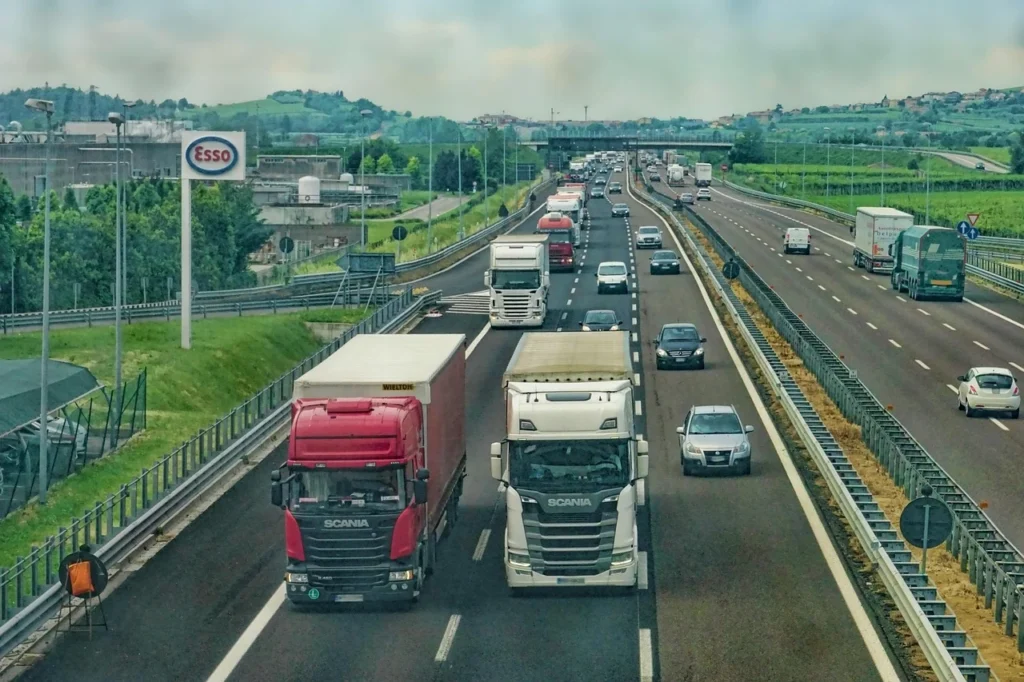
Thousands of drivers make the journey between Bradford and Leeds every working day, whether along the A647, the M606 spur onto the M62, or one of the smaller connecting roads through Pudsey and Stanningley. It is a short distance on paper, rarely more than ten miles door to door, but the stop-start nature of the commute, combined with roundabouts, traffic lights and seasonal congestion, puts a specific and cumulative kind of strain on a car that a longer, steadier motorway run simply does not produce in the same way.
Why short, congested commutes are harder on a car than long journeys
A car’s mechanical systems are generally at their happiest cruising at a steady speed, where the engine runs efficiently, the gearbox settles into a consistent gear and components like the clutch and brakes get long periods of rest between uses. A daily crawl through Bradford’s ring road or along the A647 towards Leeds does the opposite, forcing constant gear changes, repeated clutch engagement and frequent braking, often within a very short distance and time frame during the worst of the morning and evening peaks.
Over months and years, this pattern adds up to genuinely accelerated wear compared with a car covering similar annual mileage on faster, more consistent roads. A commuter doing forty minutes each way through heavy traffic five days a week will typically see clutch, brake and tyre wear appear noticeably sooner than someone covering the same distance on an open dual carriageway, even though the mileage on the clock looks identical.
Clutch wear from stop-start traffic
The clutch takes a disproportionate amount of punishment on this kind of commute, particularly in manual cars, since every gear change and every hill start at a junction or roundabout involves some degree of slip while the clutch engages. Roundabouts like those on the ring road, combined with the gentle but persistent inclines around parts of the route towards Leeds, mean drivers are frequently starting from a standstill on a slope, which is one of the harder situations for a clutch to manage cleanly.
Riding the clutch, even slightly, while creeping forward in queuing traffic accelerates wear further still, and it is a habit many drivers fall into without really noticing during a long, tedious queue. A clutch that might comfortably last well over sixty thousand miles on gentler roads can wear out considerably sooner on a commute like this one, making it worth having checked periodically rather than waiting for an obvious failure.
Brake wear and the toll of constant stopping
Brakes suffer in a similar way, since heavy commuter traffic means constant light braking punctuated by occasional harder stops when someone pulls out unexpectedly or traffic bunches suddenly at a junction. This pattern generates more heat and more pad wear per mile than steadier driving, and it is one of the main reasons commuter cars on this corridor often need brake pads and discs replaced sooner than the manufacturer’s general service intervals might suggest for average use.
Discs can also develop uneven wear or slight warping from repeated heat cycling, particularly if a car sits in traffic with brakes lightly applied for long periods, such as during roadworks or an accident backing up traffic on the M606 approach. A pulsing brake pedal or a faint judder under braking is often the first sign that this kind of wear has set in and is worth investigating before it worsens.
Tyre wear from constant acceleration and braking
Tyres feel the effects of this driving pattern too, since repeated acceleration away from junctions and heavy braking into queues both generate additional scrubbing and heat at the contact patch compared with steady cruising. Front tyres on the drive wheels of most cars tend to wear fastest under this kind of use, and commuters on this route often find themselves needing replacements sooner than the mileage alone would suggest for a typical family car.
Tyre pressure checks become especially worthwhile for anyone doing this commute regularly, since underinflated tyres wear unevenly and less predictably under the kind of repeated stop-start loading this route involves, and the effect compounds over thousands of short, congested journeys each year.
Engine and gearbox strain from idling and low-speed running
Engines spend a disproportionate amount of time idling or running at very low speeds during this kind of commute, which is less efficient and, in some respects, harder on internal components than sustained higher-speed running where oil circulates freely and temperatures stabilise properly. Automatic gearboxes in particular can suffer if they spend long periods shuffling between first and second gear in heavy traffic, generating extra heat in the transmission fluid that shortens its effective service life.
- Clutch and gearbox components wearing faster than expected mileage would suggest
- Front brake pads needing replacement notably sooner than rear pads on commuter cars
- Tyres, especially fronts, wearing unevenly if pressures are not checked regularly
- Engine oil degrading faster due to more time spent at low, inefficient running speeds
- Increased fuel consumption compared with the same mileage covered on faster roads
Seasonal congestion adds another layer
The Bradford to Leeds corridor gets noticeably worse during wet weather, school holidays changeovers and the run-up to Christmas, when extra traffic combines with reduced visibility and greasy road surfaces to slow everything down further. Longer queues mean more time spent in the exact conditions that accelerate clutch, brake and tyre wear, so a commuter’s car effectively experiences a harder few weeks each year on top of the everyday grind of the regular working week.
Roadworks along sections of the route, whether on the M606 or through the town centre gyratory systems, have a similar effect, extending queue times and increasing the number of stop-start cycles a car goes through on an otherwise ordinary day. Drivers who plan around known bad patches, where possible, can reduce some of this extra wear simply by avoiding the worst of the queuing.
Why more frequent interim servicing makes sense for commuters
Given how much harder this kind of driving is on a car’s wearing components, sticking rigidly to a standard annual service interval based on average driving assumptions can mean problems go unnoticed for longer than is ideal. An interim service roughly every six months, checking fluid levels, brake wear, tyre condition and general roadworthiness between full services, catches developing issues while they are still minor and inexpensive to put right.
This is particularly relevant for anyone doing the bulk of their annual mileage on this specific corridor, where the driving conditions genuinely differ from the assumptions built into most manufacturer service schedules, which tend to be based on a broader mix of motorway and rural driving rather than dense, hilly commuter traffic.
How weather changes the commute through the year
Winter mornings bring frost, occasional ice on the higher sections around Bradford, and a general slowdown in traffic flow as drivers proceed more cautiously through poor visibility and greasy surfaces. This extends the amount of time spent in the harder-wearing stop-start conditions that define this route, on top of the corrosion risk that salted roads bring to brake lines and other underside components discussed elsewhere. Summer months bring their own issues, with roadworks more common and occasional heat affecting tyre pressures and cooling system performance during the slowest, most congested queues of the day.
A car that copes well with this commute in spring or autumn can behave quite differently in the depths of winter or the height of summer, which is another reason a fixed service interval based on mileage alone does not always suit a car that spends most of its life on this specific, demanding stretch of road.
Small habits that reduce the wear
A few adjustments to driving style can meaningfully reduce the extra strain this commute places on a car. Leaving a slightly larger gap to the vehicle in front reduces the need for sudden braking, allowing gentler, more controlled stops that generate less heat and wear. Avoiding unnecessary gear changes in slow traffic, and resisting the temptation to creep forward on a partially engaged clutch, both help extend component life over the months and years of a regular commute.
Checking tyre pressures monthly, rather than only when a warning light appears, also helps offset some of the extra wear this kind of driving causes, since correctly inflated tyres cope far better with repeated acceleration and braking cycles than underinflated ones do over the same distance.
Air conditioning, electrics and the extra load of standing traffic
Sitting in queuing traffic for long periods, particularly with air conditioning or heating running, the radio on and phones charging, puts a steady extra load on a car’s electrical system that a faster-moving journey would not involve to the same degree. Alternators and batteries on commuter cars covering this corridor daily work harder relative to their mileage than those on cars doing more open-road driving, since the engine spends more time at idle or low revs, generating less charge, while electrical demand from accessories stays roughly constant regardless of speed.
Over several years, this pattern can shorten battery life and put more strain on a car’s charging system than the mileage alone would suggest, which is one reason commuter cars on busy urban corridors sometimes need a new battery sooner than a driver might expect based purely on the car’s age.
Why the M606 approach adds its own particular strain
The M606 spur linking Bradford to the M62 is short but often heavily congested at peak times, particularly where it merges with motorway traffic heading towards Leeds or further afield. This merge point regularly produces a stop-start crawl of its own, distinct from the steadier queuing further into town, with drivers frequently having to brake hard for unexpected slowdowns as motorway traffic bunches unpredictably around the junction.
For anyone using this stretch daily, the combination of a fast final approach followed by an abrupt slowdown puts particular strain on brakes and tyres in a short space of road, and it is often the section of the commute where drivers report the most noticeable wear on brake pads over time, simply because of how frequently hard braking is required at short notice.
Comparing this commute with a rural or motorway-only driver
It is worth putting some numbers on the difference to see why this corridor is genuinely harder on a car. A rural driver covering ten thousand miles a year on quieter roads might use their clutch a few hundred times a week during normal driving, whereas a Bradford to Leeds commuter covering the same annual mileage almost entirely through this corridor could be engaging the clutch several thousand times over the same period, simply because of how many junctions, roundabouts and traffic light sequences the route involves each single day.
This difference explains why two cars of the same age and identical mileage can arrive at a garage in very different mechanical condition. A service history alone rarely tells the full story, which is why an honest conversation about typical daily use, alongside a proper physical inspection, gives a far more accurate picture of what a car actually needs at any given point.
What to have checked if you commute this route daily
For regular commuters on this corridor, it is worth asking a garage to pay particular attention to clutch feel, brake pad thickness and tyre wear patterns at each visit, rather than relying purely on a generic checklist designed around average driving assumptions. A six-month interim service that specifically considers the demands of stop-start commuter driving, rather than treating every car identically regardless of how it is used, tends to catch problems earlier and keeps running costs more predictable across the year.
Building this kind of service into a regular routine, rather than waiting for a warning light or an obvious fault to appear, is generally the cheaper and less stressful approach for anyone whose daily working life depends on this specific stretch of road being reliable, whatever the weather or traffic conditions happen to be on a given morning.
Frequently asked questions
Why does my clutch wear out faster on this commute than it used to elsewhere?
Frequent stop-start traffic and hill starts at junctions and roundabouts cause more clutch slip and engagement than steadier driving, accelerating wear considerably.
Should I get an interim service even if my car seems fine?
Yes, an interim service catches developing wear in brakes, clutch and tyres before it becomes obvious, which is particularly valuable for anyone doing this kind of demanding daily commute.
Does the M606 merge really cause more wear than the rest of the route?
Many commuters report more noticeable brake wear specifically around this merge point, due to the frequent hard braking required when motorway traffic bunches unexpectedly.
Can I do anything to reduce clutch wear in traffic?
Avoiding riding the clutch while creeping forward and using the handbrake on inclines instead of balancing the car on the clutch both help reduce unnecessary wear.
Is my battery more likely to fail because of this commute?
Extended idling with accessories running, combined with less time at higher engine speeds, can place extra strain on the charging system, sometimes shortening battery life.