

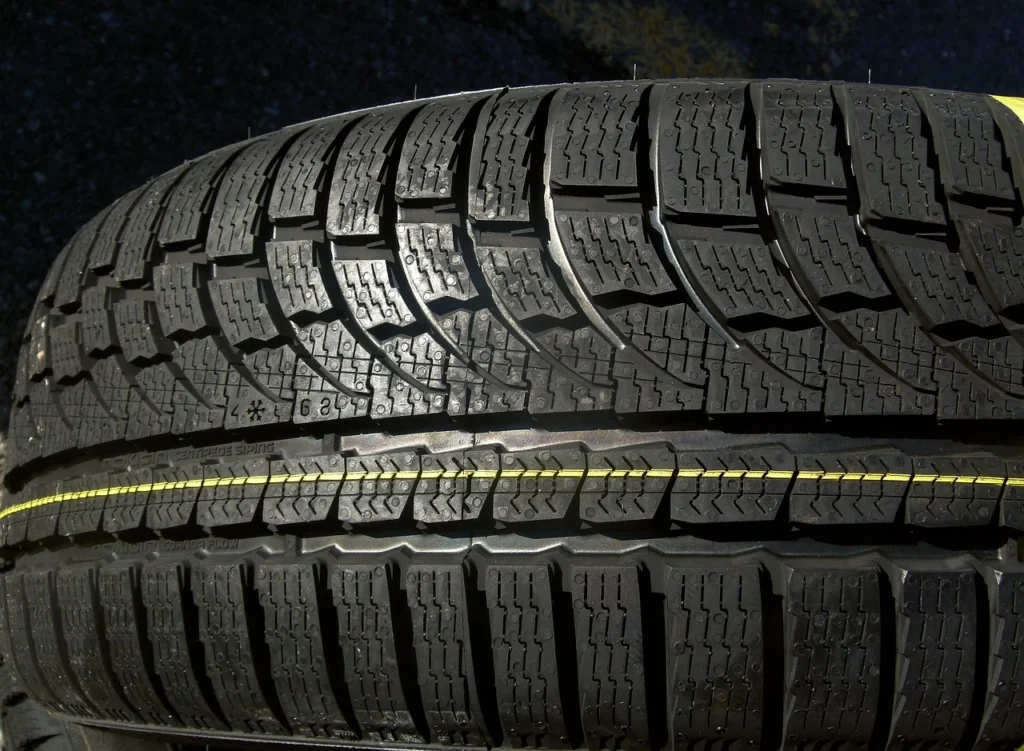
Tyre tread depth is one of the most safety-critical measurements on your entire car, directly affecting grip, braking distance and control, yet it’s also one of the easier things to overlook until an MOT or a police check flags it. Understanding the legal limit, and why it matters considerably more in winter, helps you stay both legal and genuinely safe on the road.
The legal minimum explained
UK law requires a minimum tread depth of 1.6mm across the central three-quarters of the tyre’s width, and around the entire circumference of the tyre, not just at a single point. This means a tyre with adequate tread in most places but a single worn patch below the limit is still classed as illegal, which is exactly why checking tread depth properly, at multiple points around each tyre, matters more than a single quick glance might suggest.
Why the limit applies across the whole tyre
Uneven wear, often caused by incorrect tyre pressure, wheel alignment issues, or worn suspension components, can leave one section of a tyre significantly more worn than the rest, even while the tyre looks broadly fine from a casual glance. This is precisely why the legal requirement covers the full circumference and width, rather than just a single measurement, and why a proper check needs to examine several points around each tyre rather than assuming uniform wear.
How to check tread depth at home
A simple tread depth gauge, inexpensive and widely available, gives an accurate reading pushed into the tyre’s grooves at several points. A rougher, informal check uses a 20 pence coin, inserted into the main tread grooves, since if the outer band of the coin remains visible, the tread is likely close to or below the legal limit and worth having properly checked.
- Check tread depth at several points around each tyre, not just one
- Check both the inner and outer edges, not just the centre
- Use a proper tread depth gauge for the most accurate reading
- Check all four tyres, plus the spare if you carry one
- Book a proper professional check if you’re at all unsure
Why tread depth matters more than most drivers realise
Tread depth isn’t simply a legal box to tick, it directly affects how quickly and predictably a car can stop, and how well it maintains grip through corners and in poor conditions. As tread wears down, the tyre’s ability to channel water, slush and general debris away from the contact patch reduces, meaning grip deteriorates well before a tyre technically becomes illegal.
The specific danger of reduced grip in wet conditions
Worn tread significantly increases the risk of aquaplaning, where a layer of water builds up between the tyre and the road surface, causing a genuine loss of contact and control. Deeper tread channels water away far more effectively, which is why braking distances on wet roads increase considerably as tread depth reduces, even while the tyre remains technically legal at levels above 1.6mm.
Why winter makes tread depth even more critical
Winter conditions, combining wet roads, occasional ice, and sometimes snow, place considerably more demand on tyre grip than dry summer driving. A tyre that copes adequately with reduced tread in dry summer conditions can struggle noticeably more in winter, when the margin between maintaining control and losing it narrows considerably. This is exactly why many experts recommend replacing tyres before they reach the legal minimum, particularly heading into the colder months.
Braking distance and tread depth: the numbers that matter
Studies consistently show that stopping distances on wet roads increase substantially as tread wears down, even while a tyre remains legally compliant. A tyre at the legal minimum can take considerably longer to stop a car in wet conditions compared to a new tyre, and this difference in stopping distance can genuinely be the deciding factor in whether a hazard is avoided or becomes a collision.
Penalties for driving on illegal tyres
Beyond the safety risk, driving on tyres below the legal tread limit carries genuine legal consequences: a fine and points on your licence for each illegal tyre, meaning a car with all four tyres below the limit could theoretically result in disqualification from driving entirely. This is a genuinely serious legal risk that’s entirely avoidable through regular tread depth checks.
How uneven wear develops and why it matters
Uneven tread wear, whether concentrated on one edge, in the centre, or at specific points around the tyre, often points toward an underlying issue beyond simple age-related wear, such as incorrect tyre pressure, wheel alignment out of specification, or worn suspension components. Identifying and addressing the root cause, rather than just replacing the tyre and expecting the same uneven wear to recur, protects your investment in new tyres going forward.
How to interpret what you find during a check
If tread depth is comfortably above the legal minimum across the whole tyre, it’s simply worth continuing to monitor at regular intervals. If it’s approaching the limit in places, particularly heading into winter, it’s worth planning for replacement proactively rather than waiting until it’s actually illegal. If it’s already at or below 1.6mm anywhere on the tyre, the car should not be driven on that tyre until it’s replaced, given the clear legal and safety implications.
Tyre age as a separate consideration from tread
It’s worth knowing that tyres can degrade with age even if tread depth remains adequate, since the rubber compound itself gradually hardens and loses some of its grip properties over time, particularly on a car that’s covered relatively low mileage over several years. A tyre with plenty of visible tread but that’s genuinely old, sometimes ten years or more, is worth having assessed for overall condition, not just tread depth alone.
Why checking your spare matters too
If your car carries a spare tyre, it’s easy to forget this needs the same tread depth standard as the tyres actually in use, and a spare that’s been sitting unused and under-inflated for years can be in genuinely poor condition exactly when you need it in an emergency. Checking the spare periodically, alongside your regular four tyres, avoids a nasty surprise if you ever actually need to use it.
Getting a proper professional tyre check
While home checks are a useful starting point, a proper professional assessment measures tread depth precisely across multiple points on each tyre, checks for uneven wear patterns that might indicate an underlying issue, and assesses overall tyre condition beyond just tread depth alone. A Full Health Check includes exactly this level of thorough tyre inspection, giving you genuine confidence in your tyres’ condition rather than relying purely on a rough home check. Gov.uk’s guidance on tyre tread depth and the law offers further useful detail on the legal requirements covered here.
Making tread depth checks a genuine habit
Given how directly tread depth affects both your legal compliance and your genuine safety on the road, particularly through winter, checking it regularly, ideally monthly, is one of the more valuable habits any driver can build into their routine. It costs nothing but a few minutes and genuinely protects against one of the more serious and entirely avoidable risks on the road.
Why tread pattern design matters as much as depth
Tread depth is only part of the picture, the pattern of grooves and channels cut into a tyre is specifically engineered to move water, slush and debris away from the contact patch in a particular way. As tread wears down, not only does the total volume of these channels reduce, but the effectiveness of the pattern’s design gradually diminishes too, meaning grip in poor conditions declines even faster than the raw depth measurement alone might suggest.
How the MOT test treats tread depth
Tread depth is one of the specific checks carried out during an MOT test, and a tyre found below the legal minimum results in an automatic test failure. Because tyre wear is gradual and easy to overlook between annual tests, it’s genuinely worth checking tread depth yourself at regular intervals throughout the year, rather than only discovering a problem when the MOT tester flags it, potentially leaving you needing urgent replacement before the car can legally be driven again.
Why front and rear tyres often wear differently
On most cars, front tyres tend to wear faster than rear tyres, largely because the front wheels handle the bulk of steering and, on front-wheel-drive cars, most of the driving force as well. This uneven wear pattern means it’s entirely possible for rear tyres to still have plenty of tread while front tyres are already approaching the legal limit, which is exactly why checking all four tyres individually matters rather than assuming they’re all in similar condition.
The role of tyre rotation in even wear
Some drivers have their tyres rotated periodically, swapping front and rear positions, to help even out wear across all four tyres and extend their overall useful life. While not essential for every car, this practice can be worth considering if you’re noticing significantly uneven wear between front and rear tyres, and it’s something worth discussing during a routine service or health check.
What to do once you’ve identified worn tyres
Once you’ve confirmed a tyre is approaching or at the legal tread limit, it’s worth acting promptly rather than delaying, particularly heading into winter when the consequences of reduced grip are most pronounced. Booking a replacement before the tyre becomes illegal avoids the risk of driving on a non-compliant tyre in the meantime, and gives you time to consider the best replacement option rather than needing an emergency fix.
Understanding tyre wear indicators built into the tread
Most modern tyres include small raised bars moulded into the base of the tread grooves, known as wear indicators, which become flush with the surrounding tread surface once the tyre reaches the legal minimum depth. These indicators offer a quick visual check without needing a gauge, though they’re best used alongside a proper measurement rather than relied upon entirely, since they only confirm the legal minimum has been reached rather than giving an early warning while tread is still comfortably above it.
Why replacing tyres in pairs is often recommended
When one tyre on an axle needs replacing, it’s often recommended to replace both tyres on that axle together, or at minimum to pair a new tyre with the one showing the least wear, rather than pairing a new tyre with a significantly more worn one. Mismatched tread depth across an axle can affect handling balance and, in some cases, place uneven strain on the drivetrain, particularly on four-wheel-drive vehicles where tyre diameter differences can cause genuine mechanical issues over time.
How weather conditions compound the effect of worn tread
Worn tread doesn’t just reduce grip in isolation, its effect compounds significantly when combined with challenging weather. A moderately worn tyre might feel perfectly adequate in dry conditions but reveal a genuinely concerning loss of grip the moment rain, standing water or icy patches are introduced, which is precisely why the risk from worn tread is often underestimated until a driver actually experiences it in genuinely poor conditions.
Why budget and premium tyres can wear at different rates
Tyre quality varies considerably between manufacturers, and while budget tyres can be a reasonable choice for some drivers, they often wear faster than premium equivalents, meaning the interval between replacements can be noticeably shorter. This is worth factoring into how often you check tread depth, since a budget tyre that seemed to have plenty of life a few months ago might be closer to the legal limit sooner than a premium tyre would be under the same driving conditions and mileage.
Keeping a simple record of tread depth over time
Noting down tread depth readings each time you check, even just a rough figure in a phone note, helps you spot the rate at which a tyre is wearing and predict roughly when it will need replacing. This small habit turns tyre replacement from a reactive scramble once a tyre is already close to illegal into a planned, budgeted purchase made at a time that suits you, rather than an urgent, unplanned expense.
Frequently asked questions
What is the legal minimum tyre tread depth in the UK?
The legal minimum is 1.6mm across the central three-quarters of the tyre width, around the entire circumference.
How can I check my tyre tread depth at home?
A simple tread depth gauge, or even the 20p coin test, gives a reasonable indication, though a professional check is more precise and thorough.
Why does tread depth matter more in winter?
Deeper tread channels water and slush away from the tyre's contact patch more effectively, maintaining grip on wet, icy or snow-affected roads.
What are the penalties for driving on illegal tyres?
Each illegal tyre can result in a fine and points on your licence, meaning four illegal tyres could theoretically result in disqualification.
At what tread depth should I actually start thinking about replacement?
Many experts recommend replacing tyres before they reach the legal minimum, particularly heading into winter, since performance noticeably declines as tread wears down.