

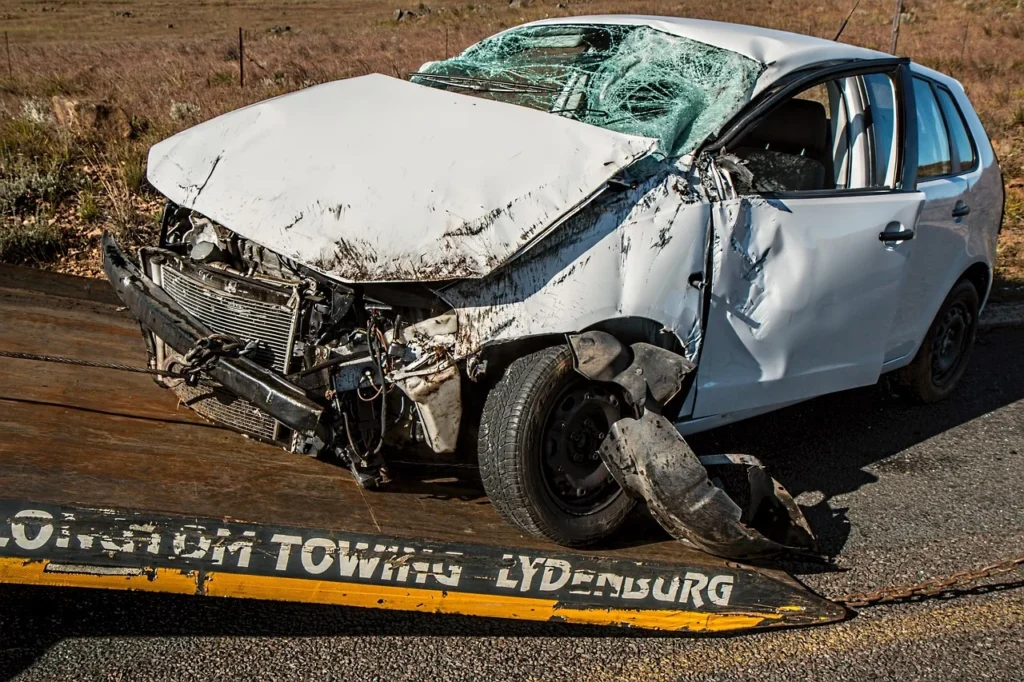
Few things are more frustrating than a used car breaking down within days or weeks of buying it. Beyond the immediate inconvenience, this situation raises important questions about your rights, your options, and what to do next. This guide walks through exactly what to consider if you find yourself in this situation, and how to protect yourself going forward.
Your rights differ significantly depending on where you bought
The single biggest factor determining your options is where you purchased the car. If you bought from a dealer, UK consumer law requires the car to be of satisfactory quality, as described, and fit for purpose. Faults appearing within the first six months are legally presumed to have existed at the point of sale, placing the burden on the dealer to prove otherwise, which gives buyers meaningful leverage in these situations. Private sales, by contrast, operate under a much lower legal standard, generally limited to the seller not having misrepresented the car, leaving buyers with considerably less formal recourse if a genuine fault emerges shortly after the sale.
Immediate steps to take when a breakdown happens
First, get the car to a safe location, calling for recovery assistance if needed. Once safe, arrange a proper diagnostic assessment to understand exactly what has failed and why, since this factual information forms the foundation for any further conversation with the seller. Keep all documentation from this point forward, including diagnostic reports, repair quotes, and any communication with the seller, since organised records considerably strengthen your position if a dispute arises.
What to do if you bought from a dealer
Contact the dealer promptly, explain the situation clearly, and reference the relevant consumer protection covering faults appearing within six months of purchase. Most reputable dealers will want to resolve the issue fairly to protect their own reputation, whether through repair, replacement or, in more serious cases, a refund. If the dealer is unresponsive or unhelpful, Citizens Advice and, if needed, the Financial Ombudsman for finance-related purchases can provide further guidance on escalating the matter appropriately.
What to do if you bought privately
Private sale situations are more challenging, since formal legal protection is limited. Your main recourse depends on whether the seller misrepresented the car’s condition, history or specification during the sale. If you have evidence the seller knew about and concealed a significant fault, you may have grounds for a claim, though this can be difficult to prove without clear supporting evidence. Approach the seller calmly and factually, explaining what has been found and asking whether they were aware of any related issues, since some sellers will offer a partial contribution or assistance even without a formal legal obligation to do so.
Understanding the difference between wear and a genuine fault
Not every breakdown indicates a seller acted dishonestly. Some faults are simply the result of normal wear that happened to fail shortly after the sale by unfortunate coincidence, rather than anything the seller knew about or should reasonably have disclosed. A proper diagnostic assessment helps distinguish between a sudden, unrelated failure and a pre-existing issue that a seller reasonably should have known about and disclosed before the sale.
How a pre-purchase inspection could have helped
This kind of situation is exactly why a pre-purchase inspection is so valuable before buying, since it identifies developing issues before you commit to a purchase rather than discovering them afterwards. If you did not arrange one before this purchase, it is worth making it a standard part of your process for any future used car buying, regardless of how confident you feel about a particular car or seller.
Considering a warranty for extra protection
If you are concerned about facing a similar situation again, or want additional protection on your current car going forward, a warranty covers unexpected mechanical failures and provides genuine peace of mind. This is particularly valuable for cars bought privately, where the usual dealer-backed consumer protections simply do not apply in the same way.
Getting a proper diagnostic assessment
Whatever the circumstances of your purchase, understanding exactly what has failed is the essential first step before deciding how to proceed. Our diagnostic service identifies the fault clearly and gives you an honest assessment of repair costs, whether you are pursuing a claim against the seller or simply need the car fixed and back on the road as quickly and cost effectively as possible.
Common faults that emerge shortly after purchase
Certain issues tend to appear more frequently soon after a used car changes hands, often because previous owners have deferred maintenance in the lead up to a sale, sometimes hoping problems will not become apparent during a buyer’s viewing and test drive. Clutch problems, battery failures, and cooling system issues are among the more common early failures, since these components can show relatively few obvious warning signs until they finally give out under normal use. Electrical gremlins are another frequent early issue, sometimes stemming from age related wiring degradation that a standard viewing or test drive would not necessarily reveal.
Understanding which faults tend to appear early helps put your own situation into context, and a proper diagnostic assessment will clarify whether your specific issue fits this pattern of a genuinely pre-existing, developing problem, or represents a more random, unrelated failure.
How to approach the conversation with a seller
Whether dealing with a dealer or a private seller, approach the conversation calmly and factually rather than accusingly, even if you are understandably frustrated by the situation. Present the diagnostic findings clearly, explain what you are asking for, whether that is a contribution toward repair costs, a full refund, or simply an honest conversation about what they knew beforehand, and give them a reasonable opportunity to respond before escalating further. Most disputes are resolved more effectively through calm, evidence based communication than through immediate confrontation or threats.
When to seek further advice or support
If a dealer refuses to engage reasonably despite clear consumer protection applying to your situation, or if a private seller appears to have deliberately concealed a known fault, it is worth seeking further advice from Citizens Advice or, in more serious cases, considering the small claims court process for pursuing a formal claim. These routes take time and effort, but exist specifically to help buyers in genuinely unfair situations reach a fair resolution when direct conversation with the seller has not worked.
A breakdown shortly after buying is stressful, but there are usually clear steps forward.
We are happy to help with a diagnostic assessment whenever you need one.
Get in touch to book your diagnostic check today.
Thank you for reading this guide to breakdowns after purchase.
We hope your situation resolves smoothly and fairly.
Understanding your rights genuinely helps you navigate this situation more confidently.
We are always happy to give an honest assessment of what has gone wrong.
Good luck resolving your situation, and we are here if you need us.
Clear information makes a real difference in these frustrating situations.
We wish you a fair and timely resolution.
Documenting everything for your own protection
From the moment a problem emerges, keep thorough records of everything relevant to your situation. This includes the original purchase advert or listing if you have a copy, any messages or emails exchanged with the seller, photographs of the fault or resulting damage, and every diagnostic report and repair quote obtained along the way. This documentation trail proves invaluable whether you are negotiating directly with a seller, escalating through Citizens Advice, or pursuing a formal claim through the small claims court, since it demonstrates a clear, factual timeline rather than relying purely on memory or verbal recollection of events.
Even in situations that resolve amicably without needing formal escalation, having this record gives you genuine confidence and clarity throughout the process, reducing the stress that naturally comes with an unexpected car problem shortly after a significant purchase.
Preventing this situation in future
Looking ahead, the best protection against this kind of situation is thorough due diligence before any future purchase. A proper pre-purchase inspection, a full vehicle history check, and careful attention to service records all reduce the likelihood of buying a car with an undisclosed developing fault. No amount of checking can eliminate risk entirely, since some failures are genuinely unpredictable, but proper due diligence significantly reduces the chances of experiencing this kind of frustrating situation again with a future purchase.
Considering a warranty going forward
If this experience has made you wary of future surprises, a used car warranty covers unexpected mechanical and electrical failures for a set period after purchase, giving genuine peace of mind that a similar situation would be financially manageable rather than an unwelcome shock. This is particularly valuable for anyone buying privately, where the legal protections available to dealer buyers simply do not apply in the same way, leaving warranty cover as one of the few practical safety nets available.
Ask about warranty options whenever you are considering your next purchase, whether through the seller directly or as a separate product arranged independently, and read the terms carefully to understand exactly what is and is not covered before relying on it.
Moving forward with confidence
A breakdown shortly after buying a car is genuinely stressful, but understanding your rights, gathering proper evidence, and approaching the situation methodically gives you the best possible chance of a fair resolution. Whether that means a successful claim against the seller, a straightforward repair, or simply peace of mind from understanding exactly what has happened and why, taking a clear, organised approach makes a real difference to how smoothly this situation ultimately resolves.
We understand how frustrating and stressful this kind of situation can feel, particularly when you were expecting to simply enjoy your new car rather than dealing with an unexpected breakdown and the uncertainty of navigating a dispute with the seller. Our team is experienced in providing clear, honest diagnostic assessments specifically designed to give you the factual information you need, whether that supports a claim against the seller or simply helps you decide on the most sensible way to get your car repaired and reliably back on the road.
Book a diagnostic appointment with us today, and let us help you understand exactly what has gone wrong and what your best next steps genuinely are, given your specific circumstances and the details of how and where you originally bought the car.
Whatever the outcome, remember this is a manageable situation with clear steps available, and you are far from the first buyer to face this kind of unwelcome surprise shortly after a purchase.
Thousands of buyers navigate this exact situation successfully every year, and with the right information and support, you can too.
Thank you for reading this guide, and we hope your car is back on the road reliably very soon.
Dealing with car problems shortly after a purchase can feel overwhelming, especially if you are unfamiliar with your rights or unsure how to approach the seller productively, but taking things one clear step at a time, starting with a proper diagnostic assessment and moving through the appropriate channels based on where you bought the car, consistently leads to a resolution that is fair given the specific circumstances involved.
We are always here to help with clear, honest diagnostics whenever you need them.
We wish you a smooth resolution and reliable motoring going forward.
Contact us today for expert, straightforward advice on your specific situation.
Thank you again for reading, and best wishes going forward.
We look forward to helping you get things sorted properly.
Stay calm, gather your evidence, and take it one step at a time.
We are just a call away whenever you need support with this.
We hope this guide has given you the clarity and confidence you needed.
Get in touch and we will take it from here together.
Take heart, this is a fixable, manageable problem.
Book your diagnostic today.
We are here for you.
Thanks for reading.
All the best to you.
Cheers.
Frequently asked questions
What are my rights if a used car breaks down soon after buying?
Your rights depend on where you bought it. Dealer purchases are covered by consumer law requiring satisfactory quality, while private sales offer far more limited legal protection to buyers.
Can I get a refund if a car breaks down after a private sale?
Refunds are much harder to secure in a private sale, since the legal standard is lower. You may have limited recourse unless the seller misrepresented the car's condition or history.
What should I do first if my newly bought car breaks down?
Get the car to a safe location, arrange a proper diagnostic assessment to understand the fault, and gather all your purchase documentation before deciding on your next steps.
How quickly must a fault appear for dealer protection to apply?
Under UK consumer law, faults appearing within the first six months are presumed to have existed at the point of sale unless the dealer can prove otherwise, strengthening your position.
Should I get a diagnostic check before contacting the seller?
Yes, understanding exactly what has failed and why gives you clear, factual grounds for any conversation with the seller and helps you make an informed decision on next steps.