

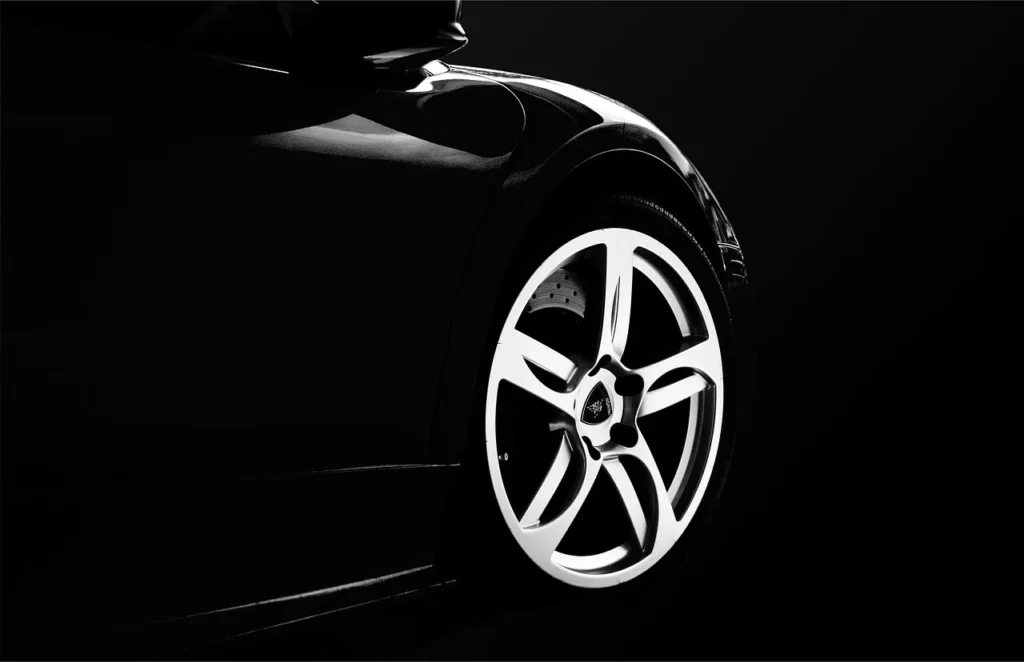
Plenty of new EV owners are caught off guard by how much sooner they need to replace tyres compared with their previous petrol car, and it’s a genuine, well documented pattern rather than a coincidence or bad luck. Understanding exactly why electric cars wear through tyres faster helps you budget properly and, with the right habits, genuinely extend how long a set actually lasts.
Instant torque changes everything
Electric motors deliver their maximum torque immediately from a standstill, unlike a petrol engine that builds power progressively through the rev range. This instant, strong torque puts considerably more stress on tyres during acceleration than a petrol car typically generates, particularly if you’re enjoying the genuinely quick off-the-line performance many EVs offer.
Even driven gently, that instant torque delivery means tyres are working harder from the very first moment you press the accelerator than they would in an equivalent petrol car pulling away more gradually.
Extra weight from the battery pack
EV battery packs are genuinely heavy, often adding several hundred kilograms compared with an equivalent petrol car. This extra weight increases the load on every tyre, accelerating wear in a way that’s simply unavoidable given the fundamental physics of carrying a large battery pack around.
Heavier cars also generate more rolling resistance and put more stress on tyres during cornering and braking, compounding the wear beyond what the torque alone would cause.
Regenerative braking’s surprising contribution
While regenerative braking reduces wear on the friction brakes, it introduces its own deceleration forces through the tyres that a petrol car’s engine braking, or simple coasting, wouldn’t generate to the same degree. The tyres are doing more work managing both acceleration and deceleration forces throughout a typical drive.
Why EV-specific tyres matter
- Reinforced sidewalls designed to handle the extra weight without excessive flex
- Compounds tuned for lower rolling resistance to help preserve range
- Designs that manage the extra torque without compromising wet weather grip
- Often quieter tread patterns, since EVs lack engine noise masking road noise
Fitting a generic tyre not designed with these considerations in mind can mean faster wear and potentially compromised handling compared with a properly EV-rated equivalent.
Driving habits that genuinely extend tyre life
Smoother, more gradual acceleration rather than fully exploiting the instant torque available on every junction pull-away meaningfully reduces wear. Anticipating braking further ahead, letting regenerative braking do more of the work gradually rather than relying on hard, late braking, also helps. Keeping tyre pressures correctly maintained, checked when cold, is arguably the single easiest and most impactful habit of all.
How alignment and rotation help
Given the faster wear rates, keeping wheel alignment correctly set and rotating tyres on the recommended schedule matters even more on an EV than a petrol car, since uneven wear compounds faster when the underlying wear rate is already elevated. A car that’s slightly out of alignment on a petrol car might show a mildly uneven wear pattern over 20,000 miles, the same misalignment on an EV can show a much more pronounced pattern in a fraction of that mileage.
What this means for your budget
Many EV owners find they’re replacing tyres somewhat sooner, sometimes noticeably so, than they experienced with an equivalent petrol car, and factoring this into your overall running cost expectations avoids an unwelcome surprise. Even accounting for this faster tyre wear, most EVs still come out ahead on total running costs thanks to the absence of fuel and reduced brake wear, but it’s worth budgeting realistically rather than assuming tyres will last exactly as long as they used to.
Getting tyres checked as part of a wider health check
Given how directly tyre condition affects both safety and range, checking tread depth, wear pattern and pressure regularly, ideally as part of a broader 50-point health check, catches uneven wear early enough to correct through alignment before it becomes an expensive, premature full replacement.
Book a check with SSK Mechanics
SSK Mechanics can carry out a full 50-point health check on your EV, including a thorough tyre and alignment assessment, at your home across Bradford and West Yorkshire, helping you get the most life out of every set of tyres you fit.
How local roads and driving patterns affect the picture
Bradford’s mix of hilly terrain, frequent stop-start town driving, and a fair share of poorly surfaced back roads all contribute additional wear beyond what a flatter, smoother motorway-heavy driving pattern would generate. EV owners covering mostly local, urban West Yorkshire mileage may find tyre wear even more pronounced than the general figures quoted for EVs overall, simply due to the more demanding nature of frequent acceleration, braking and cornering on varied road surfaces.
Understanding tyre load ratings on an EV
Tyres carry a specific load index rating indicating the maximum weight they’re designed to support, and EV-appropriate tyres typically carry a higher load rating than an equivalent tyre fitted to a lighter petrol car, reflecting the genuinely heavier weight involved. Fitting a tyre with an inadequate load rating for your specific EV’s weight isn’t just a wear issue, it’s a genuine safety consideration worth confirming with whoever supplies your replacement tyres.
Why premature wear sometimes points to something else entirely
While instant torque and extra weight explain the general faster wear pattern EVs experience, unusually rapid or uneven wear beyond what’s typical for your specific model can still point toward a separate underlying issue, incorrect tyre pressure, misalignment, or a suspension component starting to wear, worth investigating rather than simply accepting as “normal for an EV.”
Comparing tyre costs against total running cost savings
Even factoring in somewhat more frequent tyre replacement, the overall running cost picture for most EV owners remains considerably favourable compared with an equivalent petrol car, given the absence of fuel costs and reduced brake wear more than offsetting the extra tyre expense for the vast majority of typical driving patterns and annual mileages.
What tyre manufacturers are doing to address this specifically
The growing EV market has prompted most major tyre manufacturers to develop dedicated EV tyre ranges specifically engineered around the combination of extra weight, instant torque and the desire to minimise rolling resistance for range preservation, rather than simply relabelling existing petrol car tyre designs. This genuine engineering investment reflects how significant and well understood the EV-specific wear pattern has become across the industry as electric vehicle numbers have grown substantially in recent years.
A practical checklist for EV tyre care
- Check pressures monthly when tyres are cold, not immediately after driving
- Rotate tyres on the schedule recommended for your specific model
- Have alignment checked at least annually, or sooner if you notice uneven wear
- Choose EV-rated tyres with an appropriate load index when replacement is due
- Avoid consistently aggressive acceleration where practical for everyday driving
Why this is worth discussing when you first buy an EV
Asking a knowledgeable dealer or independent mechanic about realistic tyre wear expectations for your specific model before or shortly after purchase helps set accurate expectations from day one, rather than being caught off guard by a replacement need that arrives sooner than your previous petrol car experience led you to expect. This kind of proactive conversation is exactly the sort of practical, model-specific guidance that makes the difference between feeling blindsided and feeling properly informed as a new EV owner.
Bringing it all together
Faster tyre wear is a genuine, well understood characteristic of electric vehicles rather than a flaw or a sign something’s wrong with your specific car, and understanding why it happens lets you plan realistically, choose the right replacement tyres, and adopt driving habits that meaningfully extend how long each set actually lasts.
Booking your tyre and alignment check
Get in touch with SSK Mechanics to book a full 50-point health check including a thorough tyre assessment at your home across Bradford and West Yorkshire, helping you stay ahead of wear before it becomes an unexpected expense.
What this means for company car and fleet drivers
Businesses running EV fleets across Bradford and the wider region should factor faster tyre replacement cycles into their maintenance budgeting from the outset, rather than assuming petrol car tyre replacement intervals will simply carry over unchanged. Building this into fleet servicing schedules avoids unexpected costs and, more importantly, avoids vehicles running on genuinely worn tyres between scheduled checks.
A final thought on getting genuine value from your tyres
Treating tyres as a genuinely important safety and performance component, rather than an afterthought only considered when they’re visibly worn out, is good practice on any car, but it matters even more on an EV given both the faster wear rate and how directly tyre condition affects the car’s efficient use of its battery range.
Getting ahead of the cost
Building tyre replacement into your regular running cost budgeting, rather than treating it as an occasional surprise expense, keeps your overall EV ownership experience genuinely positive, since the running cost advantages remain substantial even with somewhat more frequent tyre replacement factored in honestly from the outset.
Reach out to SSK Mechanics
Get in touch today to book a tyre and alignment assessment as part of a full 50-point health check, helping you get genuine value and safety from every set of tyres you fit to your electric car.
A final note on making the most of your electric car
None of this should discourage anyone from choosing electric, faster tyre wear is simply one factor among many, and the overall ownership experience for most EV drivers remains genuinely positive once expectations are set accurately from the start rather than assuming everything will behave exactly like the petrol car it replaced.
Book with confidence
Our friendly, experienced team is ready to help keep your electric car’s tyres, and everything else, in genuinely good condition throughout your ownership.
Reach out today
Get in touch with SSK Mechanics to book your full 50-point health check, including a thorough tyre and alignment assessment, and drive with confidence knowing your electric car’s tyres are in genuinely good shape for whatever the road ahead brings, whether that is a short trip across Bradford or a longer journey further afield.
Why proactive care beats reactive replacement every time
Waiting until tyres are visibly, obviously worn before taking any action means missing the opportunity to catch and correct contributing factors, incorrect pressure, developing misalignment, early enough to actually extend the life of the tyres you already have fitted. A proactive approach, checking regularly rather than only reacting to visible problems, consistently delivers better value and safety over the years you own any given set of tyres, EV or otherwise.
Whether you’re a new EV owner still learning what to expect or a long-term driver simply wanting reassurance, our team is genuinely happy to talk through your specific situation and help you plan sensibly for tyre replacement rather than being caught off guard by it.
Book your check with confidence today.
We look forward to helping you keep every mile comfortable, safe and cost effective, from the tyres up.
Getting this right from the outset saves both money and hassle over the years you own your electric car, and it starts with simply understanding why the wear happens in the first place rather than being caught by surprise.
Rather than treating tyre wear as an unavoidable annoyance, treat it as a predictable, manageable part of electric car ownership, one that a bit of proactive attention genuinely keeps under control.
Contact SSK Mechanics today.
Thank you for reading, and we hope this guide helps you plan ahead with confidence for whatever your electric car’s tyres need next.
Safe travels, wherever the road takes you.
Get in touch with SSK Mechanics today to book your appointment and give your electric car the attention it genuinely deserves, tyres included.
We look forward to it.
Our door, or rather our mobile van, is always open to help drivers across Bradford, Leeds, Halifax and the wider West Yorkshire area keep their electric cars in genuinely excellent condition.
Take care on the roads.
Frequently asked questions
Why do electric cars wear tyres faster than petrol cars?
The combination of instant motor torque, extra weight from the battery pack, and deceleration forces from regenerative braking all put more stress on tyres than a typical petrol car generates.
Do I need special tyres for my electric car?
EV-specific tyres, designed with reinforced sidewalls and compounds tuned for the extra weight and torque, generally offer better wear and performance than a generic equivalent tyre.
Can driving style really extend EV tyre life?
Yes, smoother acceleration and earlier, more gradual braking meaningfully reduce the stress placed on tyres compared with frequently exploiting an EV's instant torque and quick acceleration.
How much more often do EV tyres need replacing?
It varies by model and driving style, but many EV owners find they replace tyres somewhat sooner than they did with an equivalent petrol car.
Does wheel alignment matter more on an electric car?
Yes, since the underlying wear rate is already higher, any misalignment compounds into an uneven wear pattern faster than it would on a typical petrol car.