

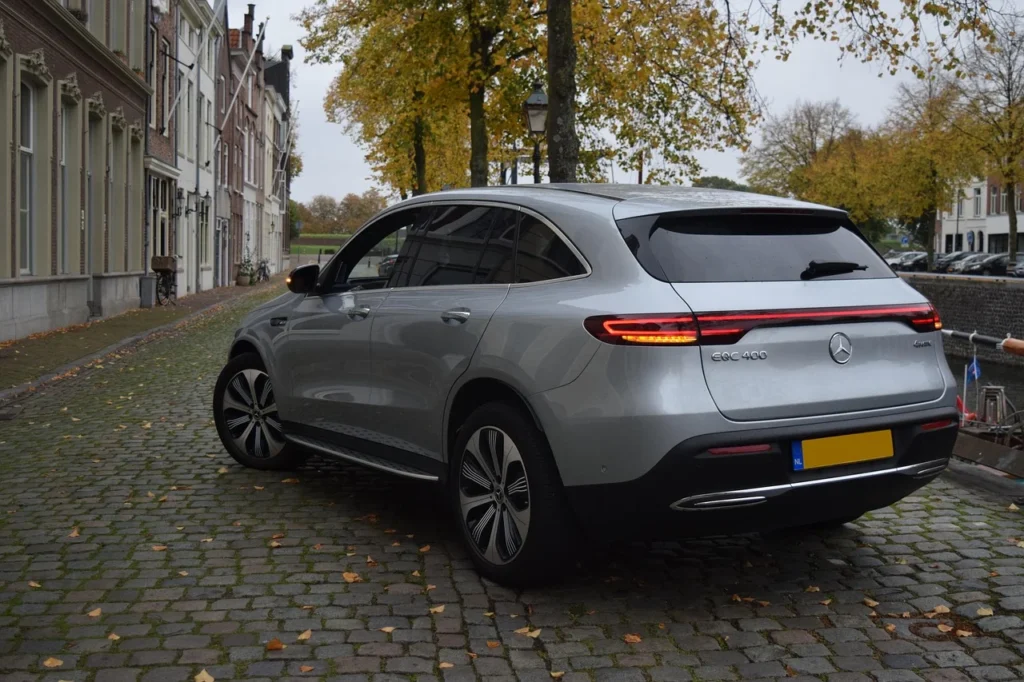
ADAS, advanced driver assistance systems, cameras, radar and sensors that support features like automatic emergency braking and lane keeping, have become standard on most modern vehicles, EVs and hybrids very much included. What’s less well understood is why these systems often need recalibrating after seemingly unrelated repairs, a step that’s genuinely easy to overlook but genuinely important for safety.
What ADAS actually relies on to function correctly
These systems depend on cameras and sensors being precisely aligned to specific reference points on the vehicle, allowing them to accurately judge distance, position and the movement of other vehicles or obstacles. Even a small misalignment, sometimes just a few millimetres or a fraction of a degree, can meaningfully affect how accurately these systems interpret the world around the car.
Why routine repairs can throw calibration off
Windscreen replacement, since many forward-facing cameras mount to or near the windscreen, front bumper repair or replacement, wheel alignment adjustment, and suspension work can all shift the precise physical reference points ADAS systems rely on, even when the repair itself has nothing directly to do with the sensors involved.
Why EVs and hybrids often need this attention more frequently
- Many EVs are equipped with a comprehensive suite of ADAS features as standard from the factory
- Battery-related work, requiring underbody access, can disturb sensor mounting points
- Regenerative braking systems sometimes integrate with ADAS-related stability control
- Software updates specific to EVs sometimes require accompanying sensor recalibration
What happens if calibration is skipped after a relevant repair
ADAS systems operating with incorrect calibration may misjudge distances, fail to detect obstacles accurately, or trigger warnings and interventions at inappropriate moments, genuinely undermining the safety benefit these systems are designed to provide. In some cases, warning lights alert the driver to a calibration fault, but not always, making it easy to unknowingly drive with a compromised safety system.
How calibration is actually carried out
Static calibration uses specific target boards positioned at precise, measured distances from the vehicle in a controlled environment, while dynamic calibration involves driving the vehicle under specific conditions allowing the systems to self-calibrate against real-world references. Many vehicles require a combination of both methods depending on the specific system and manufacturer requirements.
Why this requires specific equipment and expertise
Proper calibration requires manufacturer-specific targets, precise measurement equipment, and diagnostic software capable of confirming successful calibration, rather than simply hoping a system realigns itself naturally through normal driving. This is genuinely specialist work distinct from general mechanical repair skills.
Which repairs should prompt an ADAS calibration check
Windscreen replacement, front-end bodywork repair, wheel alignment adjustment following suspension work, and any repair involving the removal or disturbance of camera or sensor mounting points should all prompt a conversation about whether recalibration is needed for your specific vehicle and the systems it’s equipped with.
Why asking your repairer directly matters
Not every repair shop automatically includes ADAS recalibration as standard following relevant work, so it’s worth asking directly whether it’s included or needs to be arranged separately, rather than assuming it’s been handled without confirmation.
Booking an ADAS calibration with SSK Mechanics
SSK Mechanics can carry out advanced sensor and ADAS calibration following relevant repairs to your EV or hybrid, at your home across Bradford and West Yorkshire, ensuring your car’s safety systems are genuinely working exactly as designed.
What Thatcham Research’s guidance says about calibration importance
Independent research bodies specifically focused on vehicle safety have highlighted ADAS calibration as a genuinely critical, sometimes overlooked step following relevant repairs, with studies showing that a meaningful proportion of vehicles returned to drivers after repairs hadn’t received necessary recalibration, a genuine safety gap worth being aware of as a vehicle owner.
How this affects insurance claims and repairs specifically
Many insurers now specifically require confirmation that ADAS calibration has been carried out as part of the repair process for claims involving relevant damage, reflecting growing industry recognition of how important this step genuinely is to restoring a vehicle to its proper, safe working condition.
Why newer cars often have more systems requiring calibration
As ADAS technology has expanded, from basic parking sensors to comprehensive suites including automatic emergency braking, lane keeping assist and adaptive cruise control, newer vehicles genuinely have more individual systems that might require calibration following a given repair, making this an increasingly relevant consideration for anyone with a recent model EV or hybrid.
What a proper calibration certificate should confirm
A thorough provider should be able to provide documentation confirming exactly which systems were calibrated, the method used, and confirmation of successful completion, giving you a genuine paper trail confirming the work was carried out properly rather than simply taking a verbal assurance at face value.
What a static calibration session typically looks like
The vehicle is positioned precisely in a controlled space, often a workshop with sufficient room and appropriate lighting, with specific target boards or patterns placed at manufacturer-specified distances and angles. The calibration process then runs through diagnostic software, confirming each relevant sensor correctly recognises and calibrates against these known reference points.
What a dynamic calibration drive typically involves
Some systems require the vehicle to be driven under specific conditions, often at a particular speed range on roads with clear lane markings, allowing the system to self-calibrate by recognising real-world reference points during actual driving. This sometimes needs to be combined with static calibration depending on the specific vehicle and systems involved.
Why combining both methods gives the most reliable result
Many modern vehicles require both static and dynamic calibration for different systems working together, and a genuinely thorough provider understands exactly which combination your specific vehicle needs rather than applying a generic, one-size-fits-all approach that might leave some systems improperly calibrated.
Book your calibration with SSK Mechanics
Get in touch to book advanced sensor and ADAS calibration for your EV or hybrid following any relevant repair, at your home or workshop across Bradford and West Yorkshire, ensuring your safety systems work exactly as designed.
Why some drivers notice a subtle difference before and after calibration
Owners who’ve experienced their ADAS systems both before a relevant repair and after proper recalibration sometimes notice a genuinely smoother, more accurate operation afterward, lane keeping assist tracking more precisely, adaptive cruise control responding more naturally to surrounding traffic, confirming just how much of a difference correct calibration genuinely makes to real-world system performance.
How this connects to the broader used car market
When buying a used EV or hybrid with a documented accident or repair history, asking specifically whether ADAS calibration was carried out following that work is a genuinely worthwhile question, since an uncalibrated safety system is a real, if invisible, gap in an otherwise well repaired vehicle that a standard visual inspection wouldn’t necessarily catch.
Why manufacturer training matters for calibration technicians
Given how much calibration procedures vary between manufacturers and even between different models from the same manufacturer, technicians carrying out this work benefit genuinely from specific, current training for the calibration equipment and vehicle systems involved rather than relying purely on generic, universal calibration knowledge that might not account for model-specific quirks and requirements.
A final thought on driver assistance systems
ADAS features are genuinely valuable safety additions when working correctly, and treating their calibration with the same seriousness as any other safety-critical repair ensures you actually get the protection these systems are designed to provide, rather than a false sense of security from a system that looks functional but isn’t genuinely calibrated correctly.
How to raise this proactively with any repairer
Rather than waiting to be told, it is entirely reasonable to proactively ask any repair shop working on your EV or hybrid whether the specific work involved will require ADAS recalibration, and to confirm this is included in the quoted price and repair plan before work begins, avoiding any confusion or unexpected additional cost later.
What genuinely competent providers offer as standard
A provider genuinely experienced with modern vehicles should proactively flag when a repair is likely to require calibration, rather than waiting for the customer to ask, treating it as a standard, expected part of a thorough, professional repair process rather than an optional extra easily overlooked.
Book with confidence today
Get in touch with SSK Mechanics to book advanced sensor and ADAS calibration for your EV or hybrid, ensuring your safety systems genuinely work as intended following any relevant repair.
We serve Bradford and the wider region
Our team covers Bradford, Leeds, Halifax and the surrounding West Yorkshire area, bringing proper calibration expertise and equipment directly to you.
Final thoughts
ADAS calibration is one of those unglamorous but genuinely essential steps that protects the real-world value of the safety technology built into your car, and treating it with the seriousness it deserves is a small but meaningful part of responsible vehicle ownership.
Reach out today
Whatever repair has prompted your interest in calibration, our team is genuinely happy to advise on exactly what your specific vehicle needs.
Get in touch by phone, message or through our website, whichever suits you best, and let our team ensure your vehicle’s safety systems are genuinely working exactly as the manufacturer intended, following any repair that might have disturbed their careful factory calibration.
Confidence in every drive
Properly calibrated ADAS systems, working quietly and accurately in the background of your everyday driving, are exactly the kind of safety technology that should give you genuine confidence behind the wheel, and ensuring that calibration happens correctly after any relevant repair is a small, worthwhile step toward maintaining that confidence.
A final reminder
Never assume calibration has simply happened by default, always confirm it explicitly with whoever carries out any repair that could plausibly affect your car’s cameras or sensors, and keep documentation of the confirmation for your own records going forward.
Book with us today, and drive with genuine confidence knowing your safety systems are calibrated exactly as the manufacturer intended, protecting you and everyone else on the road around you.
One last thought
Investing a small amount of extra attention into confirming calibration after relevant repairs is a genuinely worthwhile habit, protecting the real safety value of technology that is otherwise easy to take for granted until the moment you actually need it to work correctly.
We look forward to hearing from you and ensuring your vehicle’s driver assistance systems are working exactly as they should, giving you the confidence and protection they were genuinely designed to provide from day one.
Take care, and here is to safe, confident driving powered by properly calibrated technology working exactly as intended, mile after mile across Bradford and the surrounding region.
Thanks for reading, and we hope to hear from you soon so we can help keep your car’s safety systems in genuinely excellent working order.
Cheers, and here is to properly calibrated, genuinely trustworthy safety systems on every drive you take.
All the best, and here is to confident, well protected driving powered by systems working exactly as they should, every single day.
Goodbye for now, and thank you again for taking your vehicle’s safety systems seriously enough to read this guide in full.
Farewell for now, and best of luck keeping every system on your car running exactly as it should.
Speak soon, and drive safely, knowing your car’s systems are looking out for you properly.
Until next time, take care and drive with the confidence properly calibrated systems provide.
Why this matters for everyday safety
ADAS calibration might feel like a technicality that only matters to workshops and insurance assessors, but in practice it directly affects how safely your car behaves every single day. A car that thinks the road ahead is clear when it is not, or that nudges the steering wheel based on a misaligned camera, is not doing what you paid for when you bought a car with these safety systems fitted. The good news is that calibration is a known, well documented process with clear pass and fail criteria, so a competent technician with the right equipment can confirm your systems are working exactly as the manufacturer intended. Do not assume everything is fine just because the dashboard is quiet, since many calibration faults produce no warning light at all until the system is pushed to its limits. If your EV or hybrid has had any recent glass, bumper or suspension work, get the calibration checked before you rely on those systems again.
Frequently asked questions
Why does a windscreen replacement affect ADAS calibration?
Many forward-facing cameras mount to or near the windscreen, so replacing it can shift the precise reference points these systems rely on, requiring recalibration to maintain accuracy.
What happens if ADAS calibration is skipped after a repair?
The systems may misjudge distances or fail to detect obstacles accurately, undermining the safety benefit they are designed to provide, sometimes without an obvious warning to the driver.
Do all repairs require ADAS recalibration?
No, only repairs that could disturb camera, sensor or reference point positioning, such as windscreen replacement, bodywork repair or suspension work, typically require it.
Is ADAS calibration something I can do myself?
No, it requires manufacturer-specific equipment, precise measurement tools and diagnostic software, making it specialist work rather than a DIY task.
How do I know if my repair shop included ADAS calibration?
Ask directly, since not every provider automatically includes it as standard, so confirming rather than assuming is the safest approach.