

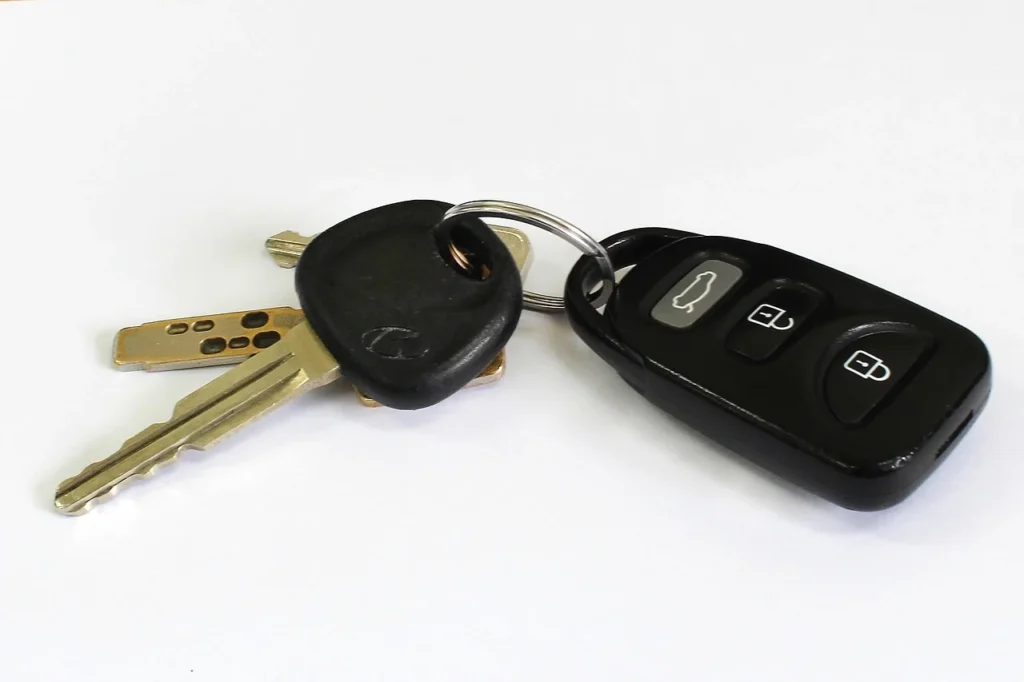
A car that turns over slowly, or takes a couple of attempts to catch, on cold mornings but runs fine the rest of the day usually has a battery that’s on its way out. Cold weather doesn’t cause this problem so much as it exposes a weakness that’s already there, since low temperatures reduce a battery’s ability to deliver current right at the moment the engine needs the most power to turn over.
Why cold makes this worse
Battery chemistry slows down in the cold. A battery that would happily start a warm engine in summer can struggle with exactly the same engine on a frosty morning, because the chemical reactions inside it that produce current become less efficient as temperature drops. At the same time, cold engine oil is thicker and harder for the engine to turn, meaning the starter needs to work harder just as the battery is least able to provide that extra effort. It’s a bit of a double blow, which is why cold starting problems so often surface in autumn and winter even on cars that were fine all summer.
What’s likely causing it
An ageing battery is the most common cause by a wide margin. Batteries typically last somewhere between three and five years depending on usage, and their ability to hold charge and deliver current under load declines gradually before it becomes obvious. Corroded or loose battery terminals reduce the current actually reaching the starter, which can produce a similar symptom even on a battery that’s otherwise in reasonable condition. A failing alternator, not charging the battery fully during driving, can leave it starting each morning from a lower state of charge than it should, compounding the cold weather effect.
Thicker engine oil in cold conditions, particularly if the oil is due a change or the wrong grade for the vehicle, adds extra resistance the starter has to overcome. On diesel engines specifically, glow plugs that are worn or failing can cause noticeably harder cold starts, since they’re there specifically to warm the combustion chamber before ignition in cold weather.
Does this need urgent attention?
A car that’s merely slow to start isn’t dangerous, but a battery that’s struggling in the cold is usually further along in its decline than the symptom alone suggests, and batteries tend to fail completely with very little additional warning once they reach this stage. Getting caught with a completely dead battery on a genuinely cold morning, rather than just a slow start, is inconvenient enough to be worth avoiding by having it checked before it gets to that point.
What a mechanic actually checks
A proper check tests the battery’s state of charge and, more importantly, its ability to hold voltage under load, since a battery can rest at a normal voltage while sitting but still fail the moment it’s asked to actually turn the starter. Terminal condition and connections get checked and cleaned if needed, since corrosion is a cheap and quick fix that’s sometimes mistaken for a battery that needs replacing entirely. The alternator gets tested to confirm it’s charging properly, and on diesels, glow plug function gets checked too.
Where the battery itself is confirmed as the cause, a Standard Battery Replacement usually resolves cold start problems completely and immediately, and it’s one of the more predictable fixes on this list, since a genuinely weak battery rarely improves on its own.
When to book vs when it can wait
What it typically costs to fix
A weak battery that’s struggling more in cold weather is the most common cause and the cheapest to resolve, £90-160 for a replacement. Worn glow plugs on a diesel typically cost £80-180 to replace, usually done as a full set. A faulty crank sensor or fuel pressure issue affecting cold starts specifically is a bigger job, often £150-350, and usually needs a diagnostic scan to confirm.
What happens if you leave it
A car that struggles to start when cold puts extra strain on the battery and starter motor every single morning, and that repeated strain shortens the life of both. Cold weather is also when battery performance drops the most, so a battery that’s already borderline is far more likely to leave you stranded on a cold morning than a mild one.
Cold cranking amps and why they matter
Every car battery has a cold cranking amps rating, which measures how much current it can deliver for 30 seconds at -18°C while still maintaining a usable voltage. This figure matters far more in winter than a battery’s simple capacity rating, since it’s specifically designed to reflect real cold-start performance rather than general storage capacity. A battery that’s lost even 20-30% of its original cold cranking capacity through age can still start a warm engine without much trouble in summer, but the exact same battery can genuinely struggle on a frosty January morning when the engine needs more current and the battery has less to give. This is precisely why cold start problems often surface well before a battery would be considered fully dead by any other measure.
How glow plugs actually work on diesels
Diesel engines rely on compression alone to ignite fuel, without a spark plug, which works well once the engine and combustion chamber are warm but struggles from cold, since a cold chamber pulls heat away from the fuel-air mixture before it can ignite reliably. Glow plugs sit in each cylinder and heat up electrically for a few seconds before you turn the key, warming the chamber enough for reliable ignition. As glow plugs age, they take longer to reach temperature or fail to reach it at all, which shows up as longer cranking times specifically in cold weather, sometimes with visible white smoke on initial start-up as fuel struggles to combust fully until the engine warms itself through running.
Engine oil viscosity and cold weather
Engine oil is rated with two numbers, for example 5W-30, where the first number reflects how the oil behaves when cold. A lower first number means the oil stays thinner and flows more easily at low temperatures, reducing the load on the starter motor and battery during a cold start. Using an oil grade outside the manufacturer’s recommendation, particularly a thicker oil than specified, can make cold starts noticeably harder even with a perfectly healthy battery, since the engine simply has to work harder to turn against thicker, colder oil. This is a detail worth checking if cold starting has become an issue after a service where the oil grade might have changed.
Preventing cold start problems before winter
Having a battery load-tested in autumn, before the first proper cold snap, catches a battery that’s declining before it actually leaves you stranded. Parking in a garage or somewhere sheltered where possible reduces the temperature swing the battery experiences overnight, which helps preserve its cold-weather performance for longer. Keeping electrical accessories, heated seats, lights and infotainment systems to a minimum for the first minute or two after a cold start reduces the demand on a battery that’s already working harder than usual, giving the alternator a chance to start recovering charge before extra loads are added.
Why West Yorkshire winters make this worse
Bradford sits at a higher elevation than much of the surrounding area, and combined with the Pennine weather that often brings colder mornings and more frequent frost than lower-lying parts of the country, cars here genuinely see harder cold starts on average through the winter months. A battery that would comfortably manage through a milder winter elsewhere can be exposed here in a way that brings a marginal battery to failure sooner. This is worth bearing in mind if you’ve moved to the area recently or if your car previously coped fine through winters spent somewhere less exposed.
What to expect during a mobile battery check
A proper battery check uses a load tester that measures voltage while the battery is under a simulated starting load, rather than relying on a simple resting voltage reading that can look fine even on a battery that’s about to fail. This test, along with a check of the terminals and a look at the alternator’s charging output, can be done in a few minutes at your home or workplace, and if a new battery is needed, it’s straightforward to fit on the same visit rather than needing a separate appointment once the fault has been confirmed.
Battery types and cold weather performance
Not all batteries handle cold weather equally well. AGM batteries, increasingly common on cars with stop-start technology, generally perform better in cold conditions than older flooded lead-acid designs, though they’re also more expensive to replace. If your car has a stop-start system, it’s worth confirming any replacement battery is the correct AGM or EFB type specified by the manufacturer, since fitting a standard battery on a car designed for AGM can lead to poor performance and a shorter lifespan, compounding cold start problems rather than solving them.
Recognising when it’s more than just the battery
If a battery has been replaced recently and cold starting is still difficult, that’s a strong signal the underlying cause lies elsewhere, most likely the alternator not charging properly, a parasitic drain from something left drawing power overnight, or on diesels, worn glow plugs. Going back to a mechanic with this information, rather than assuming the new battery is simply unlucky, saves time getting to the actual cause.
What you can check yourself before booking
Check your service records for when the battery was last replaced and roughly how old it is. If your car is a diesel, listen for the glow plug warning light and note how long it stays on before it goes out, since a longer than usual wait can point toward glow plugs starting to fail. Check your oil cap or service book for the specified oil grade and compare it against what was actually used at your last service, particularly if cold starting became noticeably worse right after that service.
It also helps to know whether the car has been sitting unused for several days before the cold start problem appeared, since a battery naturally loses a small amount of charge even when the car is not being driven, and a longer period of inactivity can be enough to tip a borderline battery into failing to start on the next cold morning.
Finally, pay attention to how the problem develops over a few mornings rather than judging it from a single cold start. A battery that struggles once but starts fine the next few mornings is less urgent than one that gets progressively slower to turn over each day, since a worsening pattern over a short period is a much stronger signal that replacement, not just a top-up charge, is the right call.
If you drive a hybrid or a car with stop-start technology, cold weather also affects how reliably the system re-engages the engine after it has switched off at a stop, and a battery that is beginning to struggle in the cold can make this feel less smooth than usual, worth mentioning if you notice it alongside a slower cold start.
Once a fault is confirmed and fixed, whether that is a new battery, fresh glow plugs or a correction to oil grade, it is worth asking whoever does the work to note the finding in your service record, so that if a similar cold start issue crops up again in a year or two, there is a clear history to work from rather than starting the diagnosis completely fresh.
SSK Mechanics can load-test your battery and check glow plugs and general cold-start performance at your home or workplace anywhere across Bradford and West Yorkshire, fitting a replacement battery on the same visit where needed.
If the car is still starting, even if slowly, it’s worth booking a check before the weather turns colder rather than waiting for a morning it doesn’t start at all. If it’s already failed to start once, treat that as the point to get it sorted rather than relying on jump starts through the rest of winter. SSK Mechanics can test and replace batteries at your home or workplace anywhere across Bradford and West Yorkshire, and get an instant quote before the cold snap really sets in. The Met Office’s winter driving advice is worth a look for wider cold-weather preparation too.
Frequently asked questions
How long do car batteries usually last?
Most car batteries last around three to five years, though this varies with usage, short journeys, and how many electrical accessories draw power from it regularly.
Why does my car start fine in summer but struggle in winter?
Cold weather reduces a battery's ability to deliver current, so a battery that's already weakening can cope in mild weather but struggle once temperatures drop, exposing a fault that was building for a while.
Can I test my own battery before booking a mechanic?
A basic voltage check with a multimeter gives some indication, but a proper load test shows how the battery performs under the actual demand of starting, which is a better guide to whether it needs replacing.