

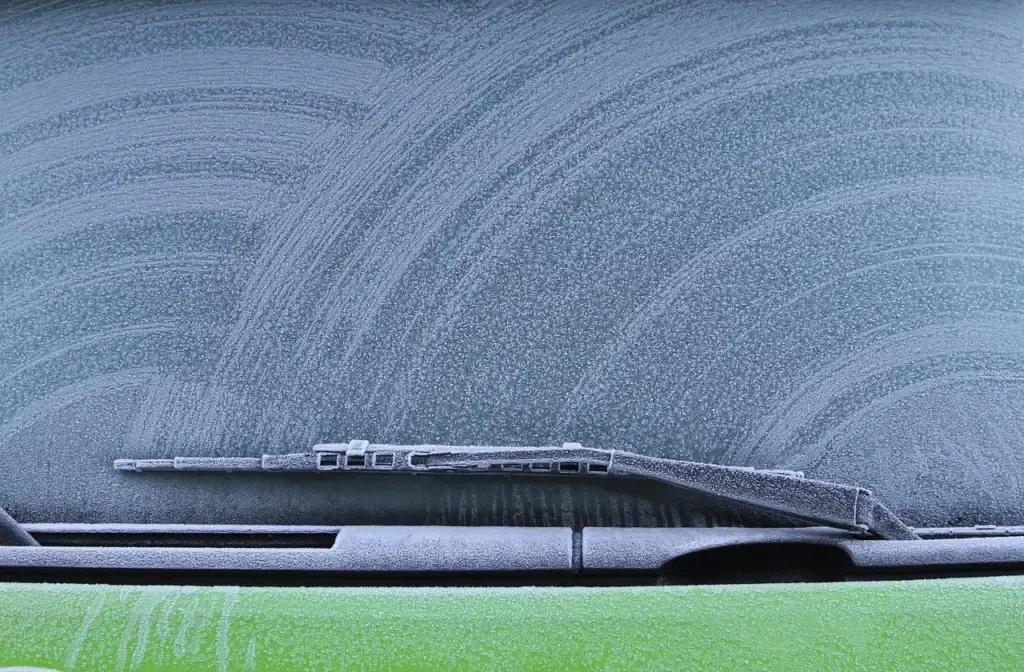
Winter puts genuine extra strain on any vehicle, but for a business fleet that has to keep running regardless of the weather, the stakes are considerably higher than for a private car that can simply stay parked on a bad day. Preparing your fleet properly before the cold weather sets in reduces the risk of exactly the kind of unexpected breakdown that causes maximum disruption when conditions are already difficult.
Setting a realistic expectation before winter arrives
No amount of preparation eliminates winter risk entirely, weather and road conditions remain genuinely unpredictable, but a thorough winter check meaningfully shifts the odds in your favour, catching the issues most likely to cause trouble before the season’s demands actually arrive rather than discovering them the hard way on a difficult morning.
Why winter is genuinely harder on vehicles
Cold temperatures place extra strain on batteries, which lose a meaningful amount of their effective capacity in cold weather right when engines need more power to turn over. Road salt accelerates corrosion on brake components, exhaust systems, and bodywork. Reduced grip from wet, icy, or snowy roads places extra demand on tyres and brakes precisely when stopping distances matter most. Together, these factors mean winter genuinely does accelerate wear and increase breakdown risk compared with milder months, making proactive preparation considerably more valuable than reactive repair once the season is already underway.
Batteries: the most common winter failure point
A battery that has been gradually weakening throughout the year, perhaps not quite holding charge as well as it once did, often reveals this weakness for the first time on a cold winter morning, when the extra power needed to start a cold engine finally exceeds what a marginal battery can provide. Testing battery condition ahead of winter, rather than waiting for a failed start on a cold, dark morning, catches this issue while it is still a simple, planned replacement rather than an unplanned breakdown, avoiding exactly the kind of morning delay that can throw off a whole day’s first few appointments.
Tyres: tread depth and pressure matter even more in winter
Legal minimum tread depth in the UK is 1.6mm, but for genuinely safe winter performance in wet or icy conditions, considerably more tread than the bare legal minimum makes a real difference to grip and stopping distance. Checking tread depth and tyre pressure specifically ahead of winter, rather than assuming tyres that were fine in summer remain equally suitable, is a simple check that meaningfully reduces risk during the months when road conditions are least forgiving, and one worth repeating periodically throughout the season rather than treating as a single one-off check.
Brakes: extra load and reduced grip together
Winter combines two factors that both increase demand on brakes, reduced road grip requiring longer stopping distances, and, for many commercial vehicles, no reduction in the loads being carried despite the more challenging conditions. Having brakes properly checked ahead of winter, rather than assuming they are fine simply because they worked adequately through summer, addresses exactly the component most directly tied to safety when conditions deteriorate, and is arguably the single most important item on any genuinely thorough winter check.
Coolant and antifreeze: an easily overlooked check
Coolant that is due for replacement or has been topped up with plain water rather than the correct antifreeze mixture can freeze in genuinely cold conditions, risking serious engine damage. Checking coolant concentration ahead of winter, and topping up or replacing it with the correct mixture where needed, is a straightforward check that protects against a problem that, while less common than a flat battery, can be considerably more expensive to resolve if it does occur, sometimes involving significant engine repair rather than a simple, inexpensive fix.
Lights and visibility: often more important than drivers realise
Shorter daylight hours mean more driving happens in darkness or poor visibility during winter months, making fully functioning lights, headlights, brake lights, indicators, considerably more important than during lighter summer months. A quick check of every light on each fleet vehicle, something easily overlooked during a routine service focused on mechanical components, is worth specifically confirming ahead of the darker months, since a failed bulb is both an easy roadworthiness issue and a genuine safety risk to the driver and others on the road.
Wiper blades and washer fluid: small components with outsized impact
Worn wiper blades that smear rather than clear rain or road spray significantly reduce visibility precisely when winter conditions already make seeing clearly harder. Checking wiper blade condition and topping up washer fluid with a suitable winter-strength mixture, resistant to freezing, are inexpensive checks that meaningfully improve safety during exactly the conditions where visibility matters most, and among the cheapest items on any winter checklist relative to the genuine safety benefit they provide.
Building a winter check into your existing service schedule
Rather than treating winter preparation as an entirely separate task, it fits naturally alongside a service scheduled shortly before the colder months begin, adding these winter-specific checks to whatever routine service or interim check already falls in that window. This avoids creating an entirely separate additional visit while still ensuring the winter-specific items get proper attention rather than being assumed to be fine by default, keeping the extra administrative burden genuinely minimal for a busy business.
What this means for fleets covering rural or exposed routes
Vehicles regularly covering rural roads, exposed routes, or areas more prone to severe winter weather benefit from a somewhat more thorough winter check than a fleet operating mainly in well-maintained, gritted urban areas. If your business regularly sends vehicles into more exposed conditions, it is worth discussing this specifically with whoever services your fleet, since the appropriate level of winter preparation genuinely varies based on the routes your vehicles actually cover and the specific weather those routes tend to experience each year.
How mobile servicing supports timely winter preparation
Mobile servicing makes it particularly straightforward to fit winter checks in ahead of the season without disrupting your operational schedule, since the visit can be arranged around your business’s own calendar rather than requiring a separate garage trip specifically for winter preparation. This convenience often means winter checks actually happen on time, rather than being pushed back repeatedly until the first cold snap arrives and makes the need suddenly urgent, at exactly the point when demand for servicing typically spikes across the whole industry.
What to do if a vehicle does break down in winter conditions
Despite the best preparation, an occasional breakdown can still happen, and having a clear plan for this scenario, who to call, how quickly recovery can be arranged, and how to keep drivers safe while waiting, matters considerably more in winter conditions than in milder weather. According to the AA’s guidance on winter driving, keeping a basic emergency kit in each vehicle, warm clothing, a torch, and a charged phone, is a sensible precaution regardless of how well maintained the vehicle itself is, ensuring a driver stays safe and comfortable even if help takes a little longer to arrive than usual.
Educating drivers on winter-specific warning signs
Beyond mechanical preparation, briefing anyone driving fleet vehicles on winter-specific warning signs, a battery that seems slower to start, reduced braking responsiveness, unusual noises that might indicate a frozen or struggling component, helps catch developing issues before they become full breakdowns. Drivers who know what to listen and watch for are a genuinely useful early warning system that complements scheduled maintenance checks, extending your effective monitoring well beyond what any scheduled check alone could achieve.
How cold weather affects diesel and fuel systems specifically
Diesel vehicles, common across many commercial fleets, face a specific winter risk not always shared by petrol equivalents, diesel fuel can begin to thicken or gel in genuinely severe cold, potentially causing starting or running problems. Modern diesel typically includes additives to reduce this risk during standard UK winters, but for fleets operating in particularly cold conditions, or using older vehicles, it is worth discussing with your mechanic whether any additional precaution is warranted for your specific vehicles and routes.
Why door seals and locks deserve a mention too
It is easy to focus purely on mechanical performance and overlook smaller practical issues that winter specifically causes, door seals and locks freezing shut being a common and frustrating example. A simple check and light lubrication of door seals and locks ahead of winter, an inexpensive and quick task, avoids the entirely avoidable frustration and lost time of a driver unable to get into a vehicle on a freezing morning.
Planning for reduced driving conditions and journey times
Beyond the vehicle itself, winter conditions genuinely affect how long journeys take and how safely they can be completed, and it is worth building this into your business’s operational planning for the colder months, allowing realistic extra time for affected routes and briefing drivers on adjusting their approach for reduced grip and visibility. This operational adjustment complements the mechanical preparation covered elsewhere, since even a perfectly maintained vehicle still needs to be driven appropriately for the conditions.
How winter preparation protects against more than just breakdowns
Proper winter preparation is not just about avoiding a mechanical failure, it also reduces the risk of accidents caused by inadequate tyres, poor visibility, or brakes not performing as they should in reduced grip conditions. Viewed this way, winter checks are as much a safety investment protecting drivers and other road users as they are a purely mechanical precaution against a vehicle simply failing to start or run properly.
What a thorough winter check typically covers in practice
Pulling everything together, a genuinely thorough winter check for a fleet vehicle covers battery condition and charge, tyre tread and pressure across all four wheels, brake condition and responsiveness, coolant and antifreeze concentration, all exterior lights, wiper blade condition, and washer fluid strength, alongside a general visual inspection for anything else that might be more likely to cause trouble in cold, wet, or icy conditions specifically.
Reviewing what worked after winter ends
Once winter has passed, it is worth briefly reviewing how your fleet actually performed, any breakdowns or issues that did occur despite preparation, and whether anything in your winter check process should be adjusted for next year. This kind of yearly review, even if brief, tends to improve your winter preparation process gradually over time rather than repeating the same approach regardless of what the previous winter actually revealed, building a genuinely more effective process year on year.
How different vehicle ages respond differently to winter stress
An older vehicle, already carrying some accumulated wear across its various systems, tends to feel the additional strain of winter conditions more acutely than a newer vehicle in good condition, a marginal battery is more likely to fail outright in the cold, and marginal brake components are more likely to reveal their weakness under the increased demand winter conditions place on them. For a fleet with a mix of vehicle ages, it is worth applying a somewhat more thorough winter check to older vehicles specifically, rather than treating every vehicle in the fleet identically regardless of its age and accumulated wear.
Balancing winter preparation cost against the risk it prevents
Some business owners hesitate over the modest additional cost of a specific winter check, particularly if their vehicles have not had winter-related problems in previous years. It is worth weighing this modest cost against the genuinely disproportionate disruption a winter breakdown causes, not just the repair itself but a driver stranded in poor conditions, a missed appointment during exactly the season when reliability often matters most to customers relying on you, and the simple discomfort and inconvenience of dealing with a vehicle problem in cold, wet weather rather than a mild, dry day.
- Batteries are the most common winter failure point and are worth testing proactively
- Tyre tread and pressure matter more for safety in wet or icy conditions
- Brakes face increased demand from reduced grip and unchanged loads
- Coolant concentration should be checked to avoid freezing in cold conditions
- Lights, wipers, and washer fluid support visibility during shorter, darker days
- Winter checks fit naturally into a service scheduled shortly before colder months begin
To prepare your fleet for winter conditions, see how our fleet and business vehicle services can help you plan ahead.
Source: The AA: winter driving tips
Frequently asked questions
What is the most common winter breakdown cause?
A weakening battery, since cold weather reduces effective capacity right when engines need more power to start.
How much tyre tread is genuinely safe for winter?
Considerably more than the 1.6mm legal minimum, since extra tread meaningfully improves grip in wet or icy conditions.
Why do brakes need extra attention in winter?
Reduced road grip increases stopping distances while loads typically stay the same, placing more demand on brakes.
Can a winter check be added to a normal service?
Yes, winter-specific checks fit naturally alongside a service scheduled shortly before colder months begin.
Do older vehicles need a more thorough winter check?
Generally yes, since accumulated wear makes older vehicles more likely to reveal weaknesses under winter conditions.