

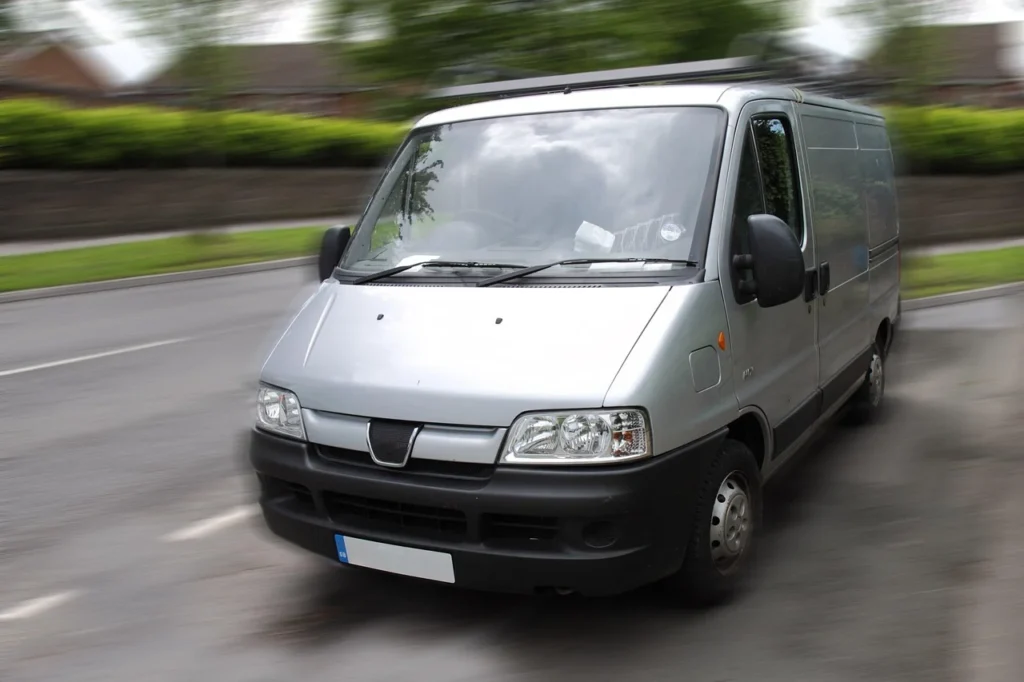
A van running consistently at or near its load capacity is a very different mechanical proposition from the same vehicle running empty, and the components most affected by this difference, suspension, brakes, and tyres, are also the components most directly tied to safety. Understanding exactly how heavier loads affect these systems helps explain why business vans genuinely need a different approach to maintenance than lightly used private vehicles.
Why this topic deserves more attention than it usually gets
Load-related wear is rarely discussed as openly as routine servicing or breakdown prevention generally, yet for any business running vans consistently close to their rated capacity, it is one of the more significant factors determining how quickly key safety components actually wear out in practice.
How suspension responds to sustained heavy loading
Suspension is designed with a specific working range in mind, and a van regularly loaded close to or at its maximum capacity places sustained stress on springs, shock absorbers, and bushes that a lightly loaded equivalent simply never experiences. Over time, this accelerates wear on these components, potentially affecting ride height, handling stability, and, if left unaddressed, the wear pattern of nearby components including tyres, creating a cascading effect where one worn component accelerates wear elsewhere in the system.
Why worn suspension affects more than just comfort
It is tempting to think of worn suspension mainly in terms of ride comfort, a slightly bumpier journey rather than a genuine safety concern. In reality, worn suspension components affect handling stability, particularly during braking and cornering under load, and can meaningfully increase stopping distances if the vehicle’s weight is not being properly controlled and distributed as designed. This makes suspension condition a genuine safety consideration, not simply a comfort issue, and one that deserves the same level of attention as brakes or tyres rather than being treated as secondary.
How braking systems cope with the extra weight of a loaded van
Brakes work harder to stop a heavier vehicle, generating more heat and experiencing faster wear on pads and discs as a direct consequence of the extra mass they need to slow down. A van regularly carrying significant loads needs brake components checked more frequently than the same vehicle would if it were consistently run empty, since the accelerated wear pattern means standard service intervals calculated for average use may not adequately protect a heavily loaded commercial vehicle, particularly one covering stop-start urban routes where braking demand is highest.
Why stopping distances increase under load
Physics is unavoidable here, a heavier vehicle takes longer to stop than the same vehicle unloaded, all else being equal, and worn brake components under load compound this effect considerably. This is exactly why brake condition deserves particular attention for any van regularly carrying meaningful weight, since the margin for error in an emergency stopping situation is genuinely reduced compared with a lightly loaded vehicle, especially in wet or otherwise reduced-grip conditions where stopping distances are already extended.
How tyres wear differently under sustained heavy loads
Tyres carrying consistently heavier loads experience faster tread wear and are more sensitive to correct inflation pressure than lightly loaded equivalents, since underinflation under load causes disproportionate wear at the tyre’s edges while overinflation causes excessive wear in the centre of the tread. Getting tyre pressure right specifically for your typical loaded weight, rather than a generic setting intended for an unloaded vehicle, makes a genuine difference to both tyre lifespan and safe handling, and is one of the simplest, cheapest checks available to extend tyre life meaningfully.
The importance of checking manufacturer load ratings
Every van has a manufacturer-specified maximum payload, and tyres, suspension, and brakes are all engineered around this figure. Regularly exceeding this rating, even by what might seem a modest margin, places genuine additional stress on every one of these systems beyond what they were designed to handle safely and sustainably, accelerating wear considerably faster than staying within the rated capacity would, and potentially raising legal and insurance concerns beyond the purely mechanical wear implications.
How to check your van’s actual typical loaded weight
Many business owners have only a rough sense of how heavily loaded their van typically runs, rather than a precise figure. Weighing a typically loaded van, either at a commercial weighbridge or through some other reliable method, gives a genuine picture of where you actually sit relative to the manufacturer’s rated capacity, which is considerably more useful for planning maintenance than a rough estimate based on how full the van looks, especially since visual fullness does not always correlate accurately with actual weight.
Adjusting service intervals for consistently heavy loading
If your typical loaded weight sits consistently close to your van’s rated maximum, it is worth discussing with your mechanic whether a somewhat closer service interval for brakes, suspension, and tyres specifically makes sense, rather than relying purely on the standard manufacturer schedule calculated around average, unspecified usage patterns that may not reflect your genuinely heavier typical load, and may leave real wear undetected between visits as a result.
Warning signs that loading is affecting your van’s condition
Certain signs are worth watching for specifically if your van regularly carries heavy loads: uneven tyre wear across the tread, a noticeably harsher or bouncier ride than when the vehicle was newer, brakes that feel less responsive than they should, or visible unevenness in ride height from side to side. Any of these, particularly in combination, are worth having properly assessed rather than assumed to be normal wear, since catching them early is considerably cheaper and safer than waiting until they become more pronounced.
How mobile mechanics assess load-related wear
A mechanic familiar with commercial vehicles knows specifically what to look for when assessing a van that regularly carries heavy loads, checking suspension components, brake wear patterns, and tyre condition with this context specifically in mind, rather than applying a generic assessment intended for a lightly used private vehicle. Discussing your van’s typical loading pattern directly with whoever services it ensures this context genuinely informs the checks being carried out, rather than the assessment being based on assumptions about typical use that may not match your business’s reality.
The cost of neglecting load-related wear over time
As with most maintenance issues, the consequences of neglecting load-related wear build gradually rather than causing an immediate, obvious failure. A slowly weakening suspension component eventually affects handling more seriously, worn brakes eventually reduce stopping performance meaningfully, and unevenly worn tyres eventually need earlier replacement than properly maintained equivalents would have required. Catching and addressing these issues early, through appropriately frequent checks, is considerably more cost-effective than addressing them only once a problem becomes serious, both in repair cost and in the safety risk avoided.
How the DVSA MOT test addresses load-related components
The annual MOT test specifically checks suspension, brake, and tyre condition, among other items, and according to the DVSA’s guidance on MOT inspections, these are consistently among the most common categories for both advisories and outright failures. For a business van carrying regular heavy loads, this makes staying ahead of load-related wear through proactive maintenance particularly valuable in avoiding an unexpected MOT failure that takes the vehicle off the road unexpectedly, at a time not of your own choosing.
How brake fade risk increases specifically under heavy load
Brake fade, a temporary reduction in braking effectiveness caused by excessive heat build-up, becomes a genuinely more relevant risk for a heavily loaded vehicle, particularly on longer descents or during repeated hard braking over a short period, since the extra mass requires more energy to dissipate as heat through the braking system. A van regularly working in hilly terrain or making frequent stops while heavily loaded, a delivery route through a hilly city, for example, faces a genuinely elevated brake fade risk that is worth discussing specifically with a mechanic familiar with commercial vehicle use.
Why tyre selection matters as much as tyre maintenance
Beyond simply maintaining correct pressure and monitoring tread wear, the specific tyres fitted to a regularly loaded van matter considerably, since commercial-rated tyres are engineered with higher load indices specifically to handle sustained heavier weights safely. Fitting standard passenger-rated tyres to a van that regularly carries significant loads, rather than tyres genuinely rated for the vehicle’s typical loaded weight, undermines much of the benefit that otherwise careful pressure and tread maintenance would provide.
How uneven loading compounds the effects of heavy loading generally
Beyond total weight, how that weight is distributed matters considerably too, a van loaded unevenly, heavier on one side or concentrated toward the rear, places disproportionate stress on specific suspension and tyre components rather than distributing wear evenly across the vehicle. Taking a little extra care with how a van is loaded, distributing weight as evenly as practically possible, is a simple habit that meaningfully reduces uneven wear over time compared with consistently loading the same way without any thought to distribution.
What drivers should know about handling differences when loaded
A heavily loaded van handles noticeably differently from the same vehicle running empty, longer stopping distances, different cornering behaviour, and a generally different feel that drivers should be aware of and adjust their driving style to accommodate. Briefing drivers specifically on this difference, rather than assuming they will intuitively adjust, is a straightforward operational step that complements the mechanical maintenance covered throughout this guide.
A practical example of load-related wear in action
Consider a delivery van consistently running close to its maximum payload on a daily multi-drop route through a hilly urban area. Over an eighteen-month period without adjusted service intervals, this van is likely to show meaningfully more brake and suspension wear than an identical van used more lightly for occasional light deliveries, simply as a direct consequence of the sustained heavier loading and frequent braking its actual use pattern involves. Recognising this difference and adjusting maintenance accordingly, rather than treating both vans identically, reflects a more accurate and genuinely safer approach.
Building load awareness into your overall maintenance approach
Ultimately, understanding how your specific van is actually used, its typical loaded weight, the routes it covers, and how consistently it runs close to its rated capacity, allows a more accurate, genuinely tailored maintenance approach than treating every vehicle identically regardless of use. This awareness, shared clearly with whoever services your fleet, is one of the most practical steps a business can take toward reducing load-related wear and the breakdown risk it eventually creates if left unaddressed, protecting both the vehicle and everyone who depends on it staying safely on the road.
How this affects your overall running costs over the vehicle’s life
Accelerated wear from heavy loading, if not properly accounted for in your maintenance approach, translates directly into higher overall running costs across the life of the vehicle, more frequent tyre replacement, earlier brake component wear, and potentially more significant suspension repairs than a lightly loaded equivalent vehicle would require. Building this genuinely higher cost of ownership into your business’s overall vehicle budgeting gives a more accurate picture than assuming standard running costs apply equally regardless of how heavily your specific vehicles are actually loaded day to day.
Why this matters even more for vehicles approaching replacement
As a heavily loaded van approaches the point where replacement is being considered, load-related wear across suspension, brakes, and tyres becomes an increasingly important factor in deciding exactly when replacement genuinely makes sense, since a vehicle showing significant load-related wear may present a less reliable and less safe proposition for continued heavy use than its mileage or age alone would suggest. Factoring this accumulated wear into replacement timing decisions, rather than relying purely on a mileage or age threshold, gives a more complete and genuinely safer picture.
- Suspension wears faster under sustained heavy loading, affecting handling and safety
- Brakes work harder and wear faster on a consistently loaded van
- Tyre pressure should reflect your typical loaded weight, not a generic unloaded setting
- Regularly exceeding manufacturer payload ratings accelerates wear across multiple systems
- Weighing a typically loaded van gives an accurate picture for maintenance planning
- Consistently heavy loading may justify closer service intervals than the standard schedule
To keep a regularly loaded van properly maintained, see our suspension system services and get a quote based on your specific vehicle.
Frequently asked questions
Does carrying heavy loads really wear a van out faster?
Yes, sustained heavy loading accelerates wear on suspension, brakes and tyres compared with a lightly loaded equivalent.
Should tyre pressure change for a loaded van?
Yes, pressure should reflect your typical loaded weight rather than a generic setting meant for an unloaded vehicle.
What happens if I exceed my van's payload rating regularly?
It places extra stress on suspension, brakes and tyres beyond what they were designed to handle safely and sustainably.
Should service intervals change for a heavily loaded van?
Often yes, a closer interval for brakes, suspension and tyres specifically can make sense for consistently heavy loading.
What warning signs suggest load-related wear?
Uneven tyre wear, a harsher ride, less responsive brakes, or visible unevenness in ride height are all worth investigating.