

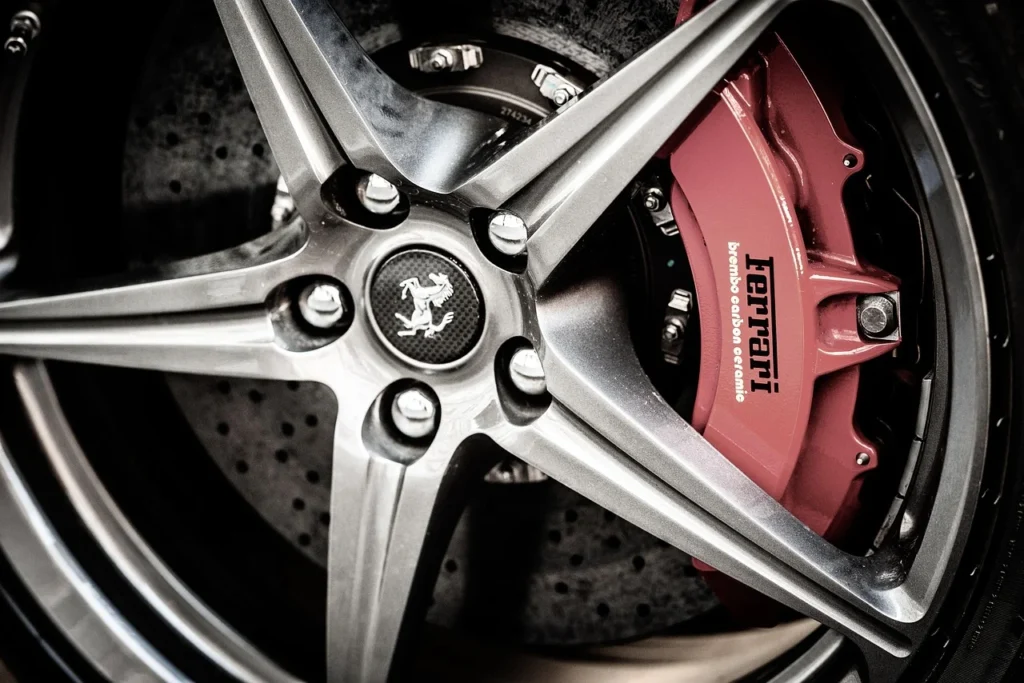
Uneven brake pad wear, a car that pulls to one side under braking, or a burning smell after a drive are all classic signs pointing toward a seized brake caliper, and it’s a fault that’s easy to underestimate. What looks like it just needs new pads can turn out to need a caliper too, and understanding why helps explain a quote that’s grown beyond what you expected.
What causes a caliper to seize
Brake calipers use sliding pins or, on some designs, an internal piston mechanism to apply even pressure to the brake pads. Over time, corrosion, dirt ingress, or degraded lubricant on the sliding surfaces can cause a caliper to stick or seize partially, meaning it doesn’t release the pad fully once you take your foot off the brake. This creates constant, low-level drag on that wheel, generating excess heat and wearing the pad and disc unevenly compared with the other side.
Why pads alone won’t fix it
- Fitting new pads to a seized caliper simply wears the new pads unevenly too, in the same pattern as before
- Constant drag from a seized caliper generates heat that can damage the brake disc and even affect the wheel bearing over time
- A caliper that isn’t releasing properly reduces fuel economy, since the car is effectively braking slightly all the time
- Left long enough, a badly seized caliper can cause a brake disc to overheat and warp, adding another repair to the bill
Recognising this early, rather than simply replacing pads and hoping the pulling sensation goes away, is what actually resolves the underlying fault rather than masking it temporarily.
Typical cost breakdown
A single brake caliper, supplied and fitted, typically costs somewhere between £120 and £250 depending on the vehicle, with the process including bleeding the brake fluid to remove any air introduced during the job. If the disc has been damaged by prolonged dragging, replacing it alongside the caliper is often necessary too, adding a further £60 to £150 per side depending on the vehicle. Because uneven caliper wear often means the opposite side isn’t far behind, some mechanics recommend replacing both calipers on an axle together, particularly on higher mileage cars.
Preventing seized calipers in the first place
Regular driving actually helps keep caliper sliding pins moving freely, since the mechanism is designed to be used. Cars that sit unused for long periods, or are only ever driven very short distances at low speed, are more prone to caliper seizing than those driven regularly and allowed to reach normal operating temperature, which helps evaporate moisture that would otherwise contribute to corrosion around the sliding surfaces.
Having calipers cleaned and relubricated as part of a routine brake service, rather than only being addressed once a problem is already noticeable, is a relatively low-cost way to extend their working life considerably and catch early-stage sticking before it progresses to full seizure and the additional disc damage that often comes with it.
A mobile mechanic visiting your home to diagnose and fix a seized caliper avoids the inconvenience of driving a car with uneven, potentially unsafe braking to a garage, which matters given how directly this fault can affect stopping performance under hard braking.
A caliper that has only recently started sticking, rather than being fully seized, sometimes gives an early clue through a subtly longer stopping distance or a very slight pull that is easy to dismiss as imagination until it is pointed out and confirmed properly.
Signs of a seized caliper
A burning smell, particularly after a longer drive, a car that pulls noticeably to one side when braking, one wheel visibly hotter than the others after driving (sometimes visible as discoloured or smoking brake dust), and uneven pad wear between the two front or two rear wheels are the classic signs.
What a mechanic actually checks before recommending caliper replacement
Beyond confirming the caliper is dragging by feeling for excess heat after a test drive, a proper assessment checks the sliding pins for free movement by hand, inspects the rubber boots protecting those pins for splits that let moisture and corrosion in, and measures brake disc thickness and condition to judge whether the dragging has already caused enough heat damage to warrant disc replacement alongside the caliper. The technician will also check brake fluid condition, since old, moisture-contaminated fluid can itself contribute to internal caliper corrosion over time, which is worth addressing as part of the same repair rather than treating it as a separate, unrelated issue.
How seized calipers compare with other braking faults
Pulling to one side under braking isn’t always a caliper issue. Uneven tyre pressures, a warped disc, or contaminated pads from an oil or grease leak can all produce a similar pulling sensation. A proper inspection distinguishing between these, rather than assuming a caliper fault based on symptoms alone, avoids the situation where a driver pays for caliper replacement when the actual cause is a considerably cheaper fix like correcting tyre pressures or cleaning contaminated pads.
Rebuilding versus replacing a caliper
On some vehicles, particularly older or simpler designs, a seized caliper can be rebuilt using a seal kit rather than replaced entirely, which can offer a cost saving where the caliper body itself is otherwise sound and not corroded beyond repair. This isn’t always a viable or sensible option, particularly on calipers with significant internal corrosion, but it’s worth asking whether your specific vehicle and caliper design makes rebuilding a realistic alternative to full replacement.
Why regular braking, not just driving, matters for caliper health
Beyond simply driving the car regularly, actually using the brakes with reasonable frequency, rather than coasting to a stop wherever possible, helps keep caliper components moving and working as designed. Drivers who consciously try to minimise brake use to save on wear sometimes inadvertently increase the risk of caliper seizing, since the sliding mechanism benefits from regular movement in the same way many mechanical components do.
Frequently asked questions
Can I tell if a caliper is seizing before it becomes a full fault? A very slightly warmer wheel than the others after a drive, checked carefully, or a barely noticeable pull under light braking are both early signs worth mentioning at your next service before the fault progresses further.
Does a seized caliper affect the handbrake too? On vehicles where the rear caliper also operates the handbrake mechanism, yes, a seized rear caliper can affect handbrake function as well as normal service braking, which is worth mentioning if you’ve noticed any change in handbrake performance alongside braking symptoms.
What happens during caliper replacement in practice
The wheel is removed and the old caliper disconnected from the brake line and unbolted from its mounting, with the brake line clamped or plugged to minimise fluid loss during the swap. The new caliper is fitted, connected, and the brake system is bled to remove any air that entered during the process, since air in the brake lines produces a spongy pedal feel and needs to be fully removed for the brakes to work correctly. A test drive with some deliberate braking at varying speeds confirms even, effective stopping without pulling to either side before the car is returned.
Frequently asked questions: does replacing one caliper affect braking balance on the other side? It shouldn’t if the job is done correctly and the brake system is properly bled, though a mechanic will typically check both sides during the test drive to confirm even performance across the axle.
Why quotes for caliper work vary between garages
Whether a caliper can be rebuilt or needs full replacement genuinely affects the cost, and it’s worth asking directly which approach is being quoted and why, rather than assuming every seized caliper automatically needs a brand new unit.
How local stop-start traffic affects caliper health
Frequent braking in heavy town traffic around Huddersfield and Halifax keeps caliper components moving regularly, which can actually help prevent seizing compared with a car that sits unused for long periods, though it also means more overall wear accumulates over time, a genuine trade-off worth being aware of.
How caliper health connects to disc and tyre longevity
A dragging caliper doesn’t just wear the pad on that corner unevenly, the constant heat generated can accelerate disc wear and, over enough distance, contribute to slightly uneven tyre wear too, since the wheel is effectively working against constant light resistance. Addressing a seized caliper promptly protects these connected components from that additional strain.
Keeping records after caliper replacement
Noting which corner was affected and whether the disc was replaced alongside the caliper gives useful reference for future brake work, helping a mechanic quickly assess whether a new symptom relates to the same repair or represents genuinely new wear elsewhere.
A final word on cost expectations
Given how much a seized caliper can cost in knock-on disc wear if left too long, addressing it promptly once diagnosed tends to keep the overall bill considerably smaller than waiting for symptoms to worsen.
What to mention when booking a caliper check
Describing which wheel feels affected, whether you have noticed a burning smell, and roughly how long the pulling sensation has been present, gives a mechanic a clear starting point before the car is raised for inspection.
Why prompt attention protects more than just the caliper
Given how quickly ongoing drag can damage a disc that would otherwise have had plenty of remaining life, treating a suspected seized caliper with genuine urgency, rather than waiting for a convenient moment, tends to keep the eventual repair smaller and more contained than letting the fault run for weeks or months.
A simple way to notice a developing caliper issue
After a longer drive, carefully checking whether one wheel feels noticeably warmer than the others, without touching it directly, can give an early clue worth mentioning at your next service before the fault becomes obvious through pulling or a burning smell.
None of this needs to feel overwhelming. A clear explanation of exactly which components were affected helps you understand precisely what the repair addressed.
How this compares with a straightforward pad and disc replacement
A routine brake pad and disc replacement, without any caliper involvement, is a considerably more predictable and generally cheaper job than the combined repair discussed here, which is why catching a seized caliper before it damages the disc genuinely keeps the overall cost closer to that more straightforward baseline.
Why a mobile assessment suits this fault well
Since much of the initial diagnosis, checking heat, pulling, and pad wear, can be done at your home or workplace, there is little need to plan around a fixed garage visit purely to confirm whether a caliper is genuinely seizing before booking the actual repair.
A brief mention of any recent long periods where the car sat unused also helps a mechanic judge how likely corrosion related seizing is compared with a more mechanical fault within the caliper itself.
Booking this promptly once symptoms are noticed remains the most reliable way to protect the disc from unnecessary additional wear.
Getting a second opinion before committing to caliper replacement is always reasonable, particularly if a rebuild option has not been discussed as a possible alternative.
This small amount of extra diligence can make a genuine difference to the final cost.
None of this needs to feel overwhelming, given how clearly a proper diagnostic assessment explains exactly what has gone wrong and why.
A calm, well informed approach tends to produce the best outcome with this kind of repair.
Booking your check today gives you clarity rather than continued uncertainty about what your car actually needs.
It is a small step that protects both your safety and your wallet.
Do not put it off.
A well maintained brake system is one of the more important things you can do for your own safety and that of other road users.
If you’ve noticed pulling under braking or a burning smell, it’s worth having your brake calipers checked before it damages the discs too. See the RAC’s braking system advice for more background, then get your instant quote.
Source: the RAC's braking system advice
Frequently asked questions
How do I know if my caliper is seized and not just the pads worn?
Uneven wear between the two sides, pulling under braking, and a burning smell all point toward a seized caliper rather than simple pad wear alone.
Can a seized caliper be freed instead of replaced?
On some cases, cleaning and relubricating the sliding pins resolves it, though a badly corroded or internally seized caliper usually needs full replacement.
Should brake calipers be replaced in pairs?
It is often recommended on an axle basis, since uneven wear affecting one side often means the other has developed similar issues.
Is a seized caliper dangerous?
It can affect braking balance and, if left long enough, damage the disc or even overheat the wheel bearing, so it is worth addressing reasonably promptly.