

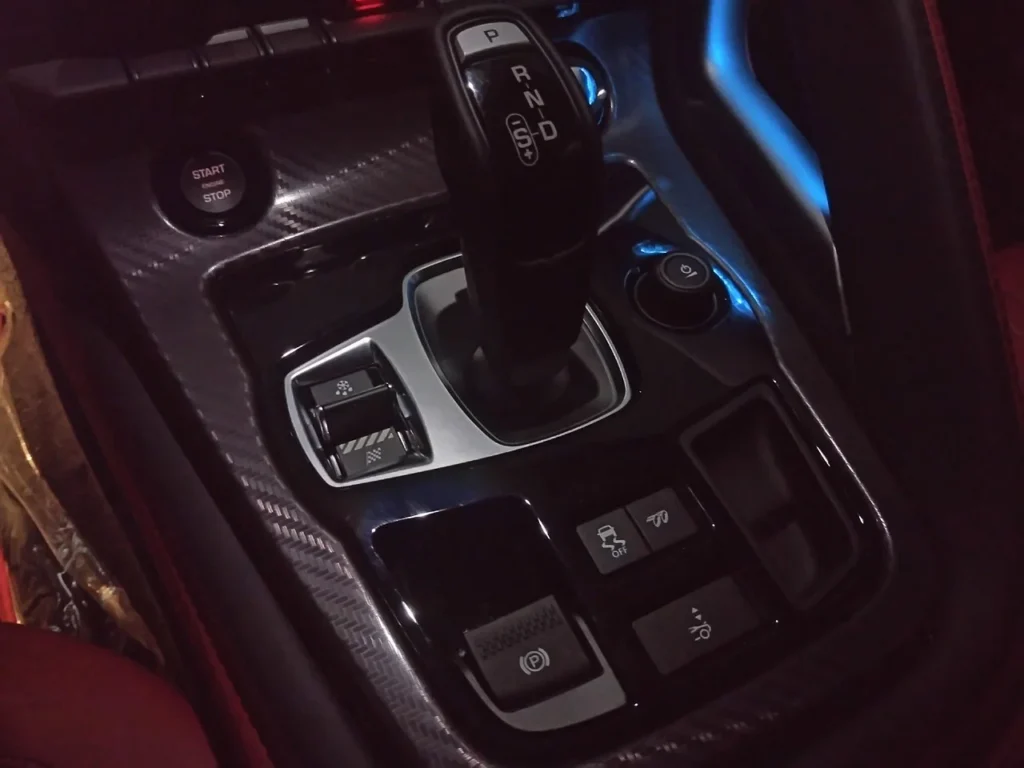
DSG and other automatic gearboxes have a reputation, not entirely deserved, for being troublesome and expensive to look after. In reality, a large share of automatic gearbox problems trace back to simple neglect: fluid that’s never been changed, running well past its recommended interval, gradually degrading and losing its ability to properly lubricate and cool the gearbox’s internal components.
Why automatic gearbox fluid matters so much
Unlike engine oil, which most drivers know needs regular changing, automatic and DSG gearbox fluid was historically marketed on some vehicles as “lifetime” fluid, a claim that hasn’t held up well in practice. The fluid does far more than lubricate; it also acts as hydraulic fluid controlling the gearbox’s internal clutches and gear changes, and as it degrades, gear changes can become rougher, slower to respond, or in more serious cases, contribute to internal wear that shortens the gearbox’s overall lifespan considerably.
What a proper service actually includes
- Draining old, degraded fluid completely rather than a partial top-up
- Replacing the filter, where the gearbox design includes a separate serviceable filter
- Refilling with the correct specification fluid for your specific gearbox, since using the wrong type can cause real problems
- Adaptation or relearning procedure using diagnostic equipment, resetting the gearbox’s learned shift patterns to work properly with fresh fluid
- A road test afterward to confirm smooth, correct shifting behaviour
Skipping the adaptation step is a shortcut some garages take that can leave shifting feeling slightly off even after a fluid change, since the gearbox’s control software has learned its shift points based on the old fluid’s characteristics and needs resetting to match the fresh fluid properly.
Typical cost breakdown
A proper DSG or automatic gearbox service, including fluid, filter where applicable, and the adaptation procedure, typically costs somewhere between £180 and £350 depending on the vehicle and how much fluid the gearbox requires. Some dual-clutch DSG boxes use two separate fluid types for the mechanical and mechatronic sections, which can push costs toward the higher end of that range. This is considerably less than the cost of a gearbox that’s failed from years of neglected fluid, which can run into several thousand pounds for a full rebuild or replacement.
Why neglected fluid is the single biggest cause of expensive failures
The overwhelming majority of catastrophic DSG and automatic gearbox failures that mechanics see trace back to fluid that was never changed at all, often on cars bought used where the previous owner was unaware of the requirement or the service history was incomplete. This is genuinely one of the more preventable major repairs in car ownership, since the fluid service itself costs a small fraction of what a gearbox rebuild or replacement runs to.
If you have bought a used car with an automatic or DSG gearbox and are unsure of its fluid service history, having it changed proactively, even if it is not yet showing symptoms, is a sensible precaution rather than an unnecessary expense, given how much more a neglected gearbox costs to fix once it has actually failed.
Booking a fluid service alongside your next routine check, rather than as a separate additional visit, is often the most convenient and cost-effective way to keep on top of this, particularly with a mobile mechanic who can carry out both in the same appointment at your home or workplace.
Some manufacturers supply a specific test strip or sample kit to check fluid condition without a full drain, giving an early indication of degradation, though a proper service still requires a full fluid change rather than relying on a visual check alone.
Signs your gearbox needs attention
Hesitation or a delay before a gear engages, rougher or more noticeable shifts than the car used to have, occasional jerking or shuddering during gear changes, and warning lights related to the transmission are all worth investigating. On DSG gearboxes specifically, a noticeable shudder from a standing start is a fairly well-known early sign worth taking seriously rather than dismissing as normal DSG character.
What a mechanic actually checks during a gearbox health assessment
Beyond checking fluid condition and colour, a proper assessment reads live data from the gearbox control module, including adaptation values and stored fault codes that can indicate developing issues before they become noticeable through shifting behaviour alone. The technician will also check fluid level precisely, since many automatic and DSG gearboxes require checking at a specific operating temperature and with the engine running to get an accurate reading, and an incorrect level, whether too high or too low, can itself cause shifting problems that mimic more serious internal wear.
How fluid-related symptoms compare with genuine internal wear
Rough or delayed shifting isn’t always a sign of internal gearbox damage. Old, degraded fluid alone can cause noticeably rougher shift behaviour that a proper fluid service, including the adaptation reset, fully resolves without any parts replacement needed. Distinguishing this from genuine internal wear, worn clutch packs or solenoid faults, for example, needs a proper diagnostic assessment rather than assuming the worst, since the fix and cost involved are dramatically different between the two scenarios.
Why DSG gearboxes need particularly careful fluid management
Dual-clutch DSG gearboxes use two separate clutch packs working almost like two gearboxes in one, which allows for extremely fast, smooth gear changes when everything is working correctly, but also means fluid condition affects two separate mechanical systems rather than one. On some DSG designs, the mechatronic unit controlling the clutches uses its own separate fluid from the gearbox itself, and both need proper attention during a full service, which is part of why DSG servicing costs can sit toward the higher end of the typical range.
What to ask when buying a used automatic or DSG car
Asking directly for evidence of gearbox fluid service history, rather than accepting a general assurance that the car has been well maintained, is worth doing given how expensive neglected fluid can turn out to be. If no record exists, factoring the cost of a proactive fluid service into your offer, or simply booking one shortly after purchase, is a sensible precaution that protects a component considerably more expensive to repair than to maintain properly.
Frequently asked questions
How often should DSG or automatic gearbox fluid genuinely be changed? Despite some historical “lifetime fluid” marketing, most specialists now recommend a change somewhere between every 40,000 and 60,000 miles, though checking your specific manufacturer’s current guidance is worthwhile since this has shifted over recent years.
Can a gearbox fluid change fix a fault that’s already causing warning lights? Sometimes, if the underlying cause is genuinely fluid-related, but a warning light already present is worth diagnosing properly first, since it may indicate wear beyond what a fluid service alone can resolve.
What happens during a gearbox fluid service in practice
The old fluid is drained completely, often requiring the car to be raised and the drain plug or pan removed depending on the gearbox design, and the filter, where the design includes one, is replaced at the same time. Fresh fluid of the exact specification for that gearbox is added to the correct level, checked precisely using the manufacturer’s procedure, which sometimes involves running the engine and gearbox to a specific operating temperature before a final level check. The adaptation reset is then carried out using diagnostic equipment, and a road test through a range of gears and speeds confirms smooth, correctly timed shifting before the car is handed back.
Frequently asked questions: is it normal for shifting to feel slightly different immediately after a fluid service? A brief period of adjustment as the gearbox relearns its shift points with fresh fluid is normal, and shifting should feel noticeably smoother, not rougher, within a short distance of driving.
Why quotes for gearbox servicing vary between garages
Genuine experience with your specific gearbox type, particularly DSG systems with their dual fluid requirements, matters considerably here, and it’s worth confirming a garage has done this specific procedure on your make before booking, given how much the adaptation and reset process varies between manufacturers.
How buying a used car locally affects this decision
With a strong used car market across West Yorkshire, many owners are driving automatic and DSG vehicles with an uncertain fluid service history from previous ownership, which is exactly the situation where a proactive service, rather than waiting for symptoms, offers the most peace of mind relative to its cost.
How fluid health connects to overall gearbox longevity
Fresh, correctly specified fluid doesn’t just improve shift feel in the short term, it protects the internal clutch packs and solenoids from the accelerated wear that degraded fluid contributes to over years of use, meaning a consistent fluid service schedule genuinely extends the gearbox’s working life rather than simply addressing symptoms as they appear.
Keeping records after a fluid service
Noting the date, mileage, and specific fluid type used gives a clear reference for the next service interval, which matters given how much these intervals vary between manufacturers and how easy it is to lose track without a written record, particularly on a car that changes hands during its life.
A final word on cost expectations
Given how much more expensive a neglected gearbox failure is compared with routine fluid servicing, this is genuinely one of the more financially sensible pieces of preventative maintenance available to any automatic or DSG owner.
What to mention when booking a gearbox check
Describing exactly when rough shifting occurs, from cold, only at certain speeds, or consistently throughout a journey, along with any known history of the fluid never being changed, gives a mechanic genuinely useful information before the car is even booked in.
Why this maintenance item is easy to overlook
Because a gearbox generally continues functioning, just less smoothly, as fluid degrades, this is one of those maintenance items that is genuinely easy to overlook compared with something like an obvious warning light, which is exactly why proactively scheduling it based on mileage, rather than waiting for a noticeable symptom, protects the gearbox more effectively.
A simple way to track this between services
Noting roughly when your gearbox fluid was last changed, or confirming it never has been, in your own records rather than relying on memory alone, makes it considerably easier to stay on top of this maintenance item consistently over the years you own the car.
None of this needs to feel overwhelming. A clear explanation of what the fluid condition actually showed helps you understand exactly why a service is or is not urgently needed.
How this compares with a manual gearbox service
Manual gearboxes generally use fluid that lasts considerably longer and needs far less frequent attention than automatic or DSG fluid, which is part of why owners moving from a manual to an automatic or DSG car are sometimes caught out by a maintenance requirement their previous car simply never had.
Booking a fluid service proactively, based on mileage rather than symptoms, remains the single most effective way to avoid the considerably larger cost of a neglected gearbox failure.
A brief mention of whether you know the car full service history, or are unsure due to a recent used purchase, helps a mechanic judge how urgently a precautionary fluid service is worth prioritising.
Getting a second opinion before committing to any additional gearbox work beyond a straightforward fluid service is always reasonable given the cost difference involved.
A small amount of proactive planning here genuinely protects you from a repair bill many times larger than the fluid service itself.
This is a straightforward, affordable step that pays for itself many times over across the life of the car.
It genuinely is that simple, and it is worth prioritising accordingly.
Making it a fixed part of your ownership routine, rather than an occasional afterthought, is what actually keeps a gearbox trouble free for the long haul.
If your gearbox is shifting roughly or you’re not sure when it was last serviced, it’s worth having your automatic gearbox properly checked. See the AA’s advice on automatic gearboxes for more background, then get your instant quote today.
Frequently asked questions
Do DSG gearboxes really need servicing if they are lifetime fluid?
Yes, in practice most manufacturers now recommend a fluid change interval regardless of earlier lifetime fluid marketing, since fluid genuinely degrades with use.
How often should a DSG gearbox be serviced?
This varies by manufacturer, but a common recommendation is somewhere between every 40,000 and 60,000 miles, so it is worth checking your specific vehicle schedule.
What happens if DSG fluid is never changed?
Degraded fluid loses its lubricating and hydraulic properties over time, which can lead to rougher shifting and, eventually, contribute to internal wear and gearbox failure.
Why does my DSG gearbox shudder from a standing start?
This is a fairly well-known symptom, sometimes linked to clutch pack wear or degraded fluid, and is worth having diagnosed properly rather than ignored.