

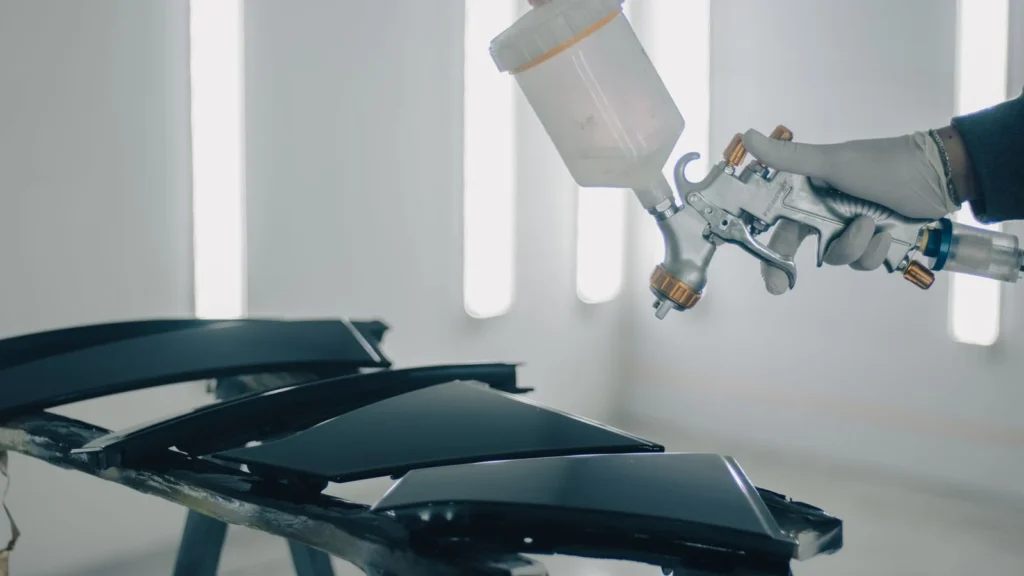
Short answer: A stable surface scuff may be prepared and refinished; some controlled plastic repairs are possible where the material, position and approved process allow. Replacement becomes more likely when mounting integrity, extensive splitting, deformation, unavailable repair information or safety-system requirements make repair unsuitable. Do not decide from paint appearance alone. Photograph the full front or rear, both corners, panel gaps, underside where safely visible and every warning on the dashboard.
This guide is written and reviewed by SSK Mechanics, drawing on over 15 years’ experience in the maintenance and repair of motor vehicles. It explains the evidence to collect, the limits of a remote assessment and the next online route. It does not replace a physical inspection, manufacturer repair information, insurer instructions, DVLA decisions or legal advice.
Why this question cannot be answered from one photograph or headline price
The painted outer bumper cover is only part of a bumper system. Behind it may be absorbers, reinforcement, brackets, wiring, lamps, parking sensors, radar or hands-free opening equipment. A low-speed scuff can be surface damage, but a displaced corner, crack, distorted mounting or warning after impact can change the repair from cosmetic refinishing to component and system assessment.
Search results often compress a conditional decision into one number or one trick. That is not a dependable basis for authorising work or transferring a vehicle. A useful quote describes the exact vehicle, visible condition, access, intended outcome and important unknowns. It also states what is included and which discovery could change the scope.
Safe checks to make before requesting a quote
- Confirm the bumper is secure and not dragging, sharp, loose or close to a tyre or exhaust.
- Test lamps and parking assistance normally; record warnings without repeatedly clearing them.
- Photograph cracks, missing clips, distorted gaps and the relationship to lamps, grille and wheel arch.
- Note whether radar, cameras, ultrasonic sensors or headlamp washers are fitted in or near the area.
- Check the ground for fresh fluid only from a safe position; never crawl beneath an unsupported car.
- If another vehicle or property was involved, preserve incident photographs and follow insurer requirements.
Make only observations that are safe on a stationary vehicle. Do not work in live traffic, crawl beneath an unsupported car, dismantle restraint or high-voltage systems, release fluids, obscure identifying marks or drive an unroadworthy vehicle to make collection easier. If the vehicle is in a dangerous position, contact the appropriate recovery or emergency service first.
How the appropriate route is decided
Assessment separates finish damage from substrate and mounting damage. A repair may include cleaning, plastic preparation, controlled shaping or joining, primer, colour and clear coat, followed by refitting and checks. Replacement adds part identification, preparation and refinishing where the cover is supplied unpainted. Grilles, brackets, trims and emblems may transfer only if undamaged and permitted. Repair instructions determine whether a sensor bracket or affected area can be repaired, and whether calibration or diagnostic confirmation is required.
The decision should be auditable. Ask what evidence supports the proposed route, what remains provisional and who is responsible for each record or check. When a third party is involved—such as an insurer, finance provider, authorised treatment facility or specialist calibrator—its authority and responsibility should be named rather than implied.
What changes the quote or valuation
Price drivers include scuff area, crack length and position, plastic type, broken tabs or brackets, paint colour, texture, trim removal, replacement-part specification and sensor work. A bumper with one visible mark may conceal several broken retainers. Conversely, cosmetic damage does not automatically justify a complete new cover. Ask whether the quote includes associated trims, paint materials, fitting, diagnostics, calibration and disposal, and whether hidden damage will be photographed before extra work is authorised.
A good comparison uses like-for-like scope. Check the vehicle and derivative, collection or access assumptions, labour and material boundaries, document requirements, VAT position where relevant, exclusions and the point at which the figure becomes binding. Do not treat an estimated range as a promise. SSK confirms the applicable route after the submitted evidence is reviewed.
Warning signs and mistakes to avoid
Cable ties, household adhesive and uncontrolled heat can leave the cover insecure or interfere with deformation behaviour and sensors. Painting over contaminated or flexible plastic without correct preparation can fail. Thatcham Research says repair planning must identify ADAS fitment and manufacturer calibration requirements when sensors or nearby parts are affected. A repaired-looking bumper is not evidence that radar, camera or parking assistance operates within specification.
Preserve the original evidence. Avoid clearing warnings, applying cosmetic products, removing parts, signing blank forms or accepting an undocumented change in scope. If new information appears, stop and have it recorded before work, collection or payment continues. A legitimate change should be explained clearly enough that you can decide whether to authorise it.
Care, records and customer pre-checks
Keep sensors and camera areas clean using handbook-approved methods, and do not coat them with unapproved films or accessories. Avoid pressure-washing a fresh repair until the refinisher permits it. Report false parking alerts, driver-assistance warnings, loose trim, water entry into a lamp or a changing panel gap. These details can indicate that the issue extends beyond the top coat.
Keep a simple evidence pack: registration, mileage, VIN where required, wide and close photographs, the date and cause of the concern, keys, service or ownership documents, previous estimates and relevant messages. Remove unrelated personal information before sending it. Accurate evidence improves routing while protecting both customer and operator from assumptions.
Questions to ask before you authorise anything
Ask for the trading identity of the party handling the vehicle, the exact outcome being proposed, what the quoted figure includes, which conditions can alter it, who provides the final paperwork and how a concern can be raised. Check names, telephone numbers and payment details through an independent source when money or ownership is involved. Take time to read the answer: a clear operator will distinguish confirmed facts from items that still depend on inspection, documents or a third party.
Related guides and the next useful decision
- Car scratch repair cost and methods
- Dent repair: PDR or painted repair
- ADAS calibration after bumper or glass work
- Bodywork and structure in the MOT
If damage extends beyond economical repair, do not guess at the vehicle’s end-of-life position. Compare the evidenced repair scope with the existing guide My Car Is Not Worth Repairing: What Are My Options?, then use Scrap My Car only when disposal is the informed decision.
For general ownership and maintenance questions, browse the SSK Mechanics free guides. If the vehicle has a mechanical warning or will not start, use diagnostic services rather than selecting a cosmetic or disposal route by guesswork. For confirmed mechanical repairs or servicing, book online with the registration and required work.
What an evidence-led SSK request should contain
Use the repair route for a photo-led assessment rather than buying a bumper from a registration guess. Exact trim, sensor apertures, model year and finish matter. SSK can review whether the evidence supports cosmetic repair, plastic repair, replacement or further inspection, then explain the next step and any system checks that form part of the scope.
- The registration, exact model, mileage and present location.
- Several clear, current photographs showing the whole vehicle or panel and the detailed concern.
- Whether the vehicle starts, moves, steers and brakes, without attempting an unsafe test.
- Any warning messages, impact details, missing parts, previous repairs or document issues.
- The access conditions for collection or inspection, including restrictions and whether keys are available.
- Any insurer, finance provider, company, estate or other party with an interest in the vehicle.
Start the online bodywork assessment. The form is the main service route: the details are reviewed before scope and availability are confirmed.
Official source and factual boundaries
Thatcham Research ADAS repair guidance supports the regulatory or repair-principle statements in this guide. Official services and provider terms can change, so check the live source at the time of the transaction. A source explains the rule or process; it does not inspect this particular vehicle.
For collision-related work, GOV.UK says accidents that cause damage or injury must be reported to the insurer even when the driver does not plan to claim. Follow the policy and the official accident-information requirements before arranging private cosmetic work.
Frequently asked questions
Can a cracked plastic bumper be repaired?
Sometimes, depending on material, crack position, mounts, repair information and finish requirements. Inspection is needed before repair is chosen over replacement.
Does a bumper repair require ADAS calibration?
It depends on the vehicle, fitted sensors, affected parts and manufacturer repair instructions. The repair plan should identify and document the requirement.
Why can a bumper quote change after removal?
The cover can hide damaged brackets, reinforcement, absorbers, wiring or sensor mounts. Additional work should be evidenced and authorised.
Can I drive with a loose bumper?
Do not drive if it can detach, has sharp edges, fouls a tyre, obscures lights or registration, or followed an impact that affected safe vehicle operation.
Book or request a valuation online
SSK Mechanics uses an online-first process so the registration, photographs and job facts can be reviewed together. That helps avoid an unsuitable appointment or collection based on a vague description. Send the evidence online now; if the facts show that another service or setting is more appropriate, the route can be clarified before work begins.
Frequently asked questions
Can a cracked plastic bumper be repaired?
Sometimes, depending on material, crack position, mounts, repair information and finish requirements. Inspection is needed before repair is chosen over replacement.
Does a bumper repair require ADAS calibration?
It depends on the vehicle, fitted sensors, affected parts and manufacturer repair instructions. The repair plan should identify and document the requirement.
Why can a bumper quote change after removal?
The cover can hide damaged brackets, reinforcement, absorbers, wiring or sensor mounts. Additional work should be evidenced and authorised.
Can I drive with a loose bumper?
Do not drive if it can detach, has sharp edges, fouls a tyre, obscures lights or registration, or followed an impact that affected safe vehicle operation.