

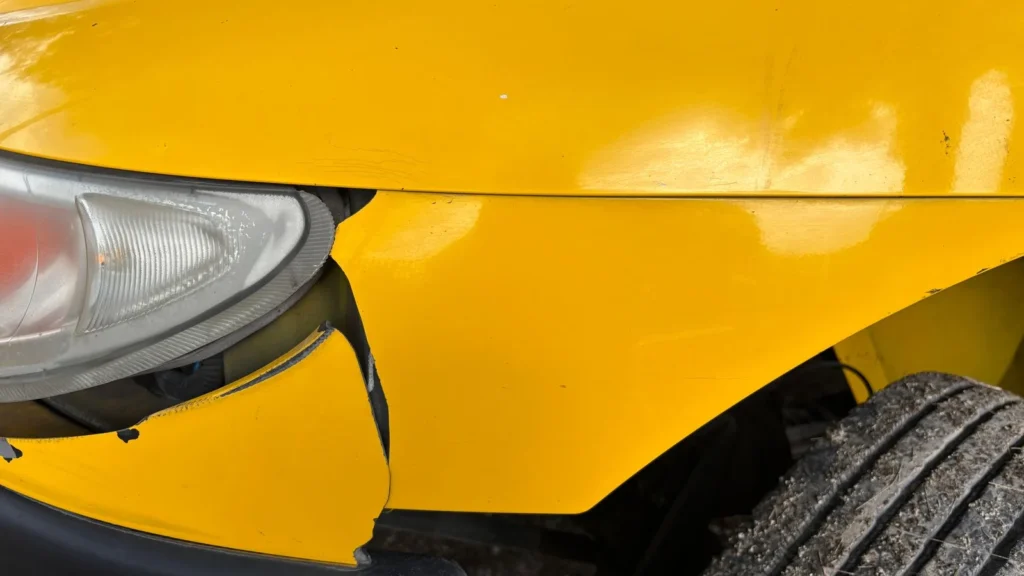
Short answer: Do not push the dent from behind or pull it with a glue kit before it is assessed. Photograph reflections across the panel because a straight-on image can make distortion disappear. The assessor needs the complete panel, the dent edge, paint condition and nearby trim. PDR reshapes suitable damage without refinishing; conventional repair can involve controlled metal correction, preparation and paint. Neither label is automatically better—the safe, durable method depends on the vehicle and damage.
This guide is written and reviewed by SSK Mechanics, drawing on over 15 years’ experience in the maintenance and repair of motor vehicles. It explains the evidence to collect, the limits of a remote assessment and the next online route. It does not replace a physical inspection, manufacturer repair information, insurer instructions, DVLA decisions or legal advice.
Why this question cannot be answered from one photograph or headline price
Two dents with the same diameter can need different repairs. A shallow dent in accessible steel with intact flexible paint may be a candidate for paintless dent removal (PDR). A sharp crease, stretched metal, cracked coating, aluminium panel, reinforced edge or obstructed rear access can require different tools, preparation and refinishing. Location and shape are usually more informative than diameter alone.
Search results often compress a conditional decision into one number or one trick. That is not a dependable basis for authorising work or transferring a vehicle. A useful quote describes the exact vehicle, visible condition, access, intended outcome and important unknowns. It also states what is included and which discovery could change the scope.
Safe checks to make before requesting a quote
- Check from a safe position whether the door, boot or bonnet opens, closes and latches normally.
- Use reflected straight lines or a striped background to show the dent’s full shape in photographs.
- Look for cracked paint, bare material, a crease, a high spot, split seam sealer or an affected panel gap.
- Identify nearby handles, braces, airbags, wiring, glass, cameras, radar or parking sensors.
- Record how the damage occurred and whether another panel, wheel or suspension area was struck.
- Do not remove trim or drill access holes; provide the registration and panel details for assessment.
Make only observations that are safe on a stationary vehicle. Do not work in live traffic, crawl beneath an unsupported car, dismantle restraint or high-voltage systems, release fluids, obscure identifying marks or drive an unroadworthy vehicle to make collection easier. If the vehicle is in a dangerous position, contact the appropriate recovery or emergency service first.
How the appropriate route is decided
PDR uses controlled access and lighting to reduce suitable distortion while retaining the existing finish. Suitability depends on metal movement, paint condition, access and technician judgement. A crease may still be repairable by PDR in some cases, but complexity and finish expectations rise. Conventional repair is considered when coating is broken, the substrate is stretched or sharply damaged, corrosion is present, or refinishing is needed. Aluminium and high-strength materials can require specific processes. Manufacturer information and the construction around the repair take priority over a generic technique.
The decision should be auditable. Ask what evidence supports the proposed route, what remains provisional and who is responsible for each record or check. When a third party is involved—such as an insurer, finance provider, authorised treatment facility or specialist calibrator—its authority and responsibility should be named rather than implied.
What changes the quote or valuation
The quote reflects dent position, depth, number of impacts, body line involvement, panel material, access, trim removal, refinishing, colour blend, corrosion and previous repairs. Roof, rail and structural-area concerns need different scrutiny from a simple door skin. The lowest-looking headline method may not address paint fracture or hidden mounting damage. Ask what removal and refitting, paint, corrosion protection, sensor checks and calibration are included, and whether the estimate is provisional until the panel is accessed.
A good comparison uses like-for-like scope. Check the vehicle and derivative, collection or access assumptions, labour and material boundaries, document requirements, VAT position where relevant, exclusions and the point at which the figure becomes binding. Do not treat an estimated range as a promise. SSK confirms the applicable route after the submitted evidence is reviewed.
Warning signs and mistakes to avoid
Home pulling can create high spots, stretch the panel, crack paint or damage a brace. Heating paint without process control can harm the finish and nearby components. A door impact can affect intrusion protection, window mechanisms, locks and airbags; a bumper or wing impact can affect sensors, lamps and wheel clearance. Stop using the vehicle when a panel fouls a tyre, a door will not secure, visibility or lighting is impaired, or warnings and handling changes followed the impact.
Preserve the original evidence. Avoid clearing warnings, applying cosmetic products, removing parts, signing blank forms or accepting an undocumented change in scope. If new information appears, stop and have it recorded before work, collection or payment continues. A legitimate change should be explained clearly enough that you can decide whether to authorise it.
Care, records and customer pre-checks
Prevent avoidable car-park dents by leaving useful door space, folding mirrors where appropriate and avoiding trolley collection points, but do not park where the vehicle creates another hazard. After a repair, follow cleaning and curing instructions. Inspect drainage openings and weather seals if trim was removed, and report wind noise, water entry, warning lights or a new rattle rather than assuming they are unrelated.
Keep a simple evidence pack: registration, mileage, VIN where required, wide and close photographs, the date and cause of the concern, keys, service or ownership documents, previous estimates and relevant messages. Remove unrelated personal information before sending it. Accurate evidence improves routing while protecting both customer and operator from assumptions.
Questions to ask before you authorise anything
Ask for the trading identity of the party handling the vehicle, the exact outcome being proposed, what the quoted figure includes, which conditions can alter it, who provides the final paperwork and how a concern can be raised. Check names, telephone numbers and payment details through an independent source when money or ownership is involved. Take time to read the answer: a clear operator will distinguish confirmed facts from items that still depend on inspection, documents or a third party.
Related guides and the next useful decision
- Car scratch repair cost and methods
- Bumper scuff repair or replacement
- ADAS calibration after bumper or glass work
- Bodywork and structure in the MOT
If damage extends beyond economical repair, do not guess at the vehicle’s end-of-life position. Compare the evidenced repair scope with the existing guide My Car Is Not Worth Repairing: What Are My Options?, then use Scrap My Car only when disposal is the informed decision.
For general ownership and maintenance questions, browse the SSK Mechanics free guides. If the vehicle has a mechanical warning or will not start, use diagnostic services rather than selecting a cosmetic or disposal route by guesswork. For confirmed mechanical repairs or servicing, book online with the registration and required work.
What an evidence-led SSK request should contain
PDR is worth assessing when the paint appears intact and the dent is localised; conventional bodywork becomes more likely when coating, edge, material or access complicates reshaping. SSK’s online bodywork form lets you send several views and describe the impact. That evidence helps route the job without claiming that a photograph alone proves the final repair method.
- The registration, exact model, mileage and present location.
- Several clear, current photographs showing the whole vehicle or panel and the detailed concern.
- Whether the vehicle starts, moves, steers and brakes, without attempting an unsafe test.
- Any warning messages, impact details, missing parts, previous repairs or document issues.
- The access conditions for collection or inspection, including restrictions and whether keys are available.
- Any insurer, finance provider, company, estate or other party with an interest in the vehicle.
Start the online bodywork assessment. The form is the main service route: the details are reviewed before scope and availability are confirmed.
Official source and factual boundaries
Thatcham Research vehicle repairability guidance supports the regulatory or repair-principle statements in this guide. Official services and provider terms can change, so check the live source at the time of the transaction. A source explains the rule or process; it does not inspect this particular vehicle.
For collision-related work, GOV.UK says accidents that cause damage or injury must be reported to the insurer even when the driver does not plan to claim. Follow the policy and the official accident-information requirements before arranging private cosmetic work.
Frequently asked questions
What makes a dent suitable for PDR?
Common favourable factors are intact paint, manageable metal movement and safe tool access. Panel material, braces, edges and previous repairs still need technician assessment.
Can a dent be assessed from one photo?
Rarely with confidence. Use a full-panel image, angled reflections, close detail and the opposite side where accessible without dismantling.
Does PDR always cost less than painting?
No universal comparison is reliable. Access, complexity, dent count, finish standard and the alternative paint scope all affect the quote.
Can I keep driving with a dent?
Only if the vehicle remains roadworthy. Do not drive when damage affects secure closure, lamps, visibility, tyres, steering, sensors or safe control.
Book or request a valuation online
SSK Mechanics uses an online-first process so the registration, photographs and job facts can be reviewed together. That helps avoid an unsuitable appointment or collection based on a vague description. Send the evidence online now; if the facts show that another service or setting is more appropriate, the route can be clarified before work begins.
Frequently asked questions
What makes a dent suitable for PDR?
Common favourable factors are intact paint, manageable metal movement and safe tool access. Panel material, braces, edges and previous repairs still need technician assessment.
Can a dent be assessed from one photo?
Rarely with confidence. Use a full-panel image, angled reflections, close detail and the opposite side where accessible without dismantling.
Does PDR always cost less than painting?
No universal comparison is reliable. Access, complexity, dent count, finish standard and the alternative paint scope all affect the quote.
Can I keep driving with a dent?
Only if the vehicle remains roadworthy. Do not drive when damage affects secure closure, lamps, visibility, tyres, steering, sensors or safe control.