

Structure and bodywork is one of the less glamorous MOT categories, rarely the first thing owners think about compared to brakes or tyres, but it plays a genuinely important role in the test since it covers the fundamental integrity that everything else on the car ultimately depends on.
Why structural integrity matters so much
A car’s structure provides the foundation that suspension, steering and safety systems are all mounted to and rely upon. If this underlying structure has weakened through corrosion or damage, it can compromise how safely these other systems function, even if each individual component seems fine in isolation. This is why testers pay particular attention to structural condition rather than treating it as a purely cosmetic consideration.
What specifically gets checked
Testers examine load-bearing structural areas including chassis rails, sills, floor pans, and the mounting points for suspension components and seatbelts. They’re looking specifically for corrosion that has weakened these areas beyond an acceptable threshold, along with any damage from an accident or impact that could have compromised structural strength, even if it isn’t immediately obvious from a casual glance.
The difference between cosmetic and structural corrosion
Not all rust is treated equally during an MOT. Surface corrosion on a visible body panel, purely cosmetic and not affecting a load-bearing area, generally doesn’t cause a fail on its own, even though it might look unsightly. Corrosion in a genuinely structural area, however, particularly anywhere near suspension mounting points, seatbelt anchorages, or chassis rails, is assessed far more strictly, since it directly relates to the car’s fundamental safety rather than simply its appearance.
Common structural fail points
Certain areas come up more frequently than others as sources of structural MOT fails, particularly on older vehicles or those that have spent years exposed to road salt and moisture.
- Corroded sills, particularly where they’ve been hidden beneath trim and gone unnoticed
- Weakened floor pans, especially around areas prone to moisture ingress
- Corrosion around suspension mounting points affecting structural strength
- Damage or corrosion near seatbelt anchorage points
- Sharp edges caused by corrosion or damage posing a risk to others
Why sharp edges are specifically assessed
Beyond structural strength, testers also check for sharp edges that have developed through corrosion or damage, since these can pose a genuine risk to pedestrians or other road users in the event of a collision. A corroded panel edge that’s become jagged, or a damaged section of bodywork with an exposed sharp point, can be flagged for this reason even in a case where the overall structural strength isn’t significantly compromised.
How accident repairs factor into this category
A car that’s previously been repaired following an accident isn’t automatically treated as a problem, provided the repair work has been carried out properly and doesn’t compromise structural integrity or leave unsafe edges. The concern arises specifically with repairs that have been done poorly, whether through using inadequate materials, failing to properly address underlying corrosion before repairing visible damage, or not restoring genuine structural strength to an area that needs it.
Why hidden areas are particularly important to check
Some of the most significant structural corrosion develops in areas that aren’t visible during a casual look at the car, hidden beneath trim panels, carpet, or underseal that can mask developing rust until it’s become considerably more advanced. This is exactly why a proper inspection, ideally with the car raised and accessible from underneath, catches problems that a driveway walkaround simply cannot, and why relying purely on how a car looks from the outside is an unreliable way to judge its structural condition.
How climate and road conditions affect this category
Cars that have spent years exposed to UK winters, particularly the salt and grit spread on roads to manage ice, tend to develop structural corrosion faster than those in drier climates or that have been better protected through garaging and regular underbody washing. This is a genuine factor worth considering for any older vehicle that’s spent its life on British roads, since accumulated exposure to road salt over many winters is one of the more significant contributors to structural corrosion over time.
What happens if structure and bodywork fails
A structural fail is treated seriously, and depending on severity can range from a straightforward, repairable corrosion issue to a more fundamental problem that makes the car uneconomical to repair relative to its value. Unlike some other MOT categories where a fail is often a relatively quick and affordable fix, structural repairs can be more involved and costly, particularly if corrosion has progressed significantly before being caught.
Why catching structural issues early matters
Corrosion is a progressive process, and structural rust caught early, while it’s still relatively localised and manageable, is considerably cheaper and more straightforward to repair than the same corrosion left to spread further into surrounding structural areas. This is one of the strongest arguments for a proactive inspection rather than waiting for an annual MOT to reveal a problem that may have been quietly developing, and worsening, for a considerable time beforehand.
Getting a proper structural assessment
Because so much of this category depends on access to hidden and underbody areas that simply aren’t visible during a normal walkaround, a proper assessment genuinely needs a ramp and a trained eye. A full 50-point health check includes exactly this kind of thorough structural inspection, catching corrosion or damage before it becomes a significant MOT fail or, more importantly, before it develops into a genuinely costly repair. You can read the DVSA’s full technical detail on how structure and bodywork are specifically assessed in gov.uk’s guide to MOT checks.
A final word on treating this category seriously
It’s easy to overlook structure and bodywork given how much attention brakes, tyres and lights tend to receive by comparison, but the structural foundation underneath a car is genuinely fundamental to how safely every other system on the car actually functions. Treating this category with the same seriousness as the more visible ones, rather than assuming it looks after itself, is a genuinely worthwhile shift in how you think about ongoing car maintenance.
How underseal and protective coatings factor in
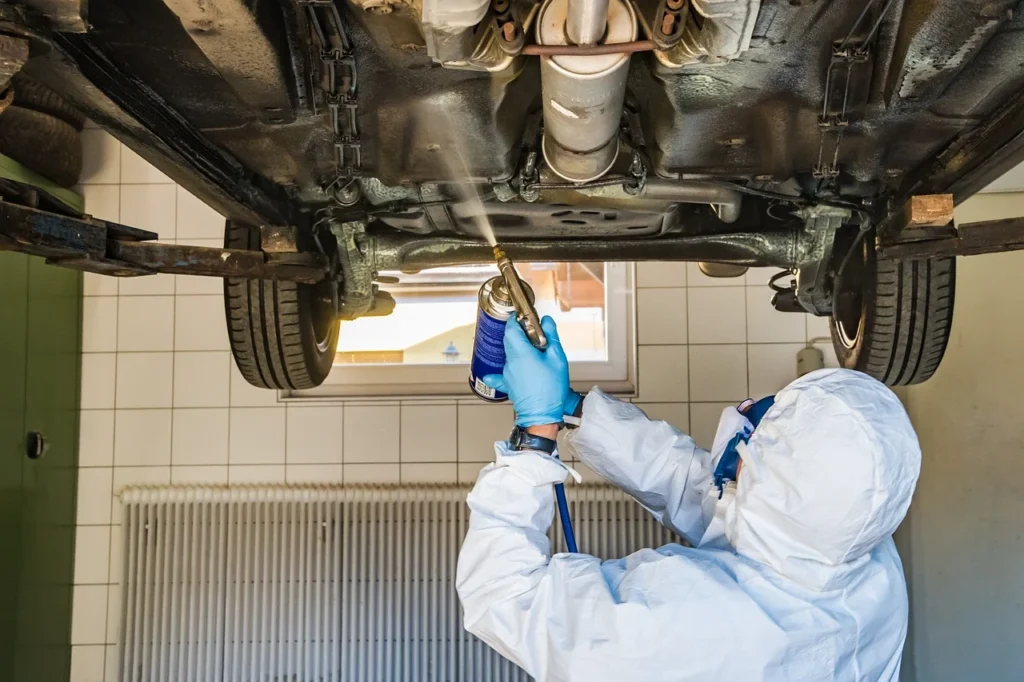
Many cars are treated with underseal or a protective wax coating either at the factory or subsequently by an owner, specifically to slow down structural corrosion in vulnerable areas. Over time, this protective layer can wear thin, crack, or fall away entirely in places, leaving the underlying metal exposed to moisture and road salt. Reapplying protective treatment periodically, particularly on an older car that’s spent multiple winters on UK roads, is a relatively inexpensive way to meaningfully slow further structural corrosion before it becomes a genuine problem.
Why some vehicle types are more prone to this issue
Certain vehicle designs and specific makes and models have historically been more prone to structural corrosion in particular areas, often due to how water is able to collect and sit in specific sections of the bodywork over time. If you’re aware your specific make and model has a known weak point in this respect, it’s worth asking a mechanic to pay particular attention to that area during any inspection, rather than relying purely on a general check.
The role of regular underbody washing
Regularly washing the underbody of a car, particularly after winter driving on salted roads, helps remove accumulated salt and grime before it has the chance to sit against metal surfaces for extended periods and accelerate corrosion. This is a simple, low-cost habit that genuinely extends the structural life of a car over time, and it’s particularly worth prioritising for anyone whose car regularly encounters gritted roads during colder months.
How this category interacts with resale value
Structural condition has a meaningful impact on resale value and, in more severe cases, on whether a car is considered economically worth repairing at all. A buyer’s own pre-purchase inspection, as covered elsewhere, will typically pay close attention to exactly this category, meaning a car with well-maintained structure and bodywork genuinely holds its value better and sells with fewer complications than one with a history of structural concerns.
When to seek a specialist opinion
If a structural issue is identified, particularly anything relating to a previous accident repair or significant corrosion, it’s worth seeking an opinion from someone genuinely experienced in structural assessment rather than relying purely on a general inspection. Some structural repairs require specialist equipment and expertise to carry out safely and properly, and getting this right matters considerably more than with many other, less safety-critical areas of the car.
How structural fails are graded differently from other categories
Structure and bodywork fails are often graded with particular seriousness precisely because of how fundamental this category is to everything else on the car. A relatively small area of genuinely structural corrosion can be enough to fail a car outright, even if the rest of the vehicle is in excellent condition, reflecting just how seriously the test treats anything that could compromise the car’s basic structural safety.
Why a full inspection beats a partial one
Because structural corrosion doesn’t always appear where you’d expect, a genuinely thorough inspection covers the whole underbody and structural framework rather than just the most commonly affected areas. A partial check that only looks at the areas most frequently associated with corrosion risks missing a genuine problem developing somewhere less typical, which is why a comprehensive, systematic approach matters more here than in some other MOT categories.
What owners can realistically do between inspections
Beyond periodic professional inspections, owners can help protect structural condition through simple habits: avoiding driving through deep standing water where avoidable, promptly addressing any minor bodywork damage before it develops into a route for moisture ingress, and keeping the underbody reasonably clean, particularly after winter driving. None of these replace a proper professional inspection, but together they meaningfully slow the pace at which structural corrosion can develop over time.
Bringing structure and bodywork into your regular maintenance thinking
Rather than treating structure and bodywork as an invisible category that only comes up once a year at the MOT, folding a periodic structural check into your general maintenance routine gives you a genuinely clearer, ongoing picture of your car’s condition. This is particularly worth prioritising for an older vehicle or one that’s spent considerable time exposed to harsh winter road conditions, where structural corrosion is more likely to be quietly developing beneath the surface.
How testers physically assess corrosion severity
Beyond a visual look, testers sometimes use a corrosion assessment tool or a firm tap with a hammer-like probe on suspect areas to check whether metal has perforated or become dangerously thin, since rust can look worse than it structurally is, or the reverse, appear only lightly surface-affected while having eaten through from the inside. This physical check matters particularly around box sections and sills, where corrosion often starts on an inner surface that is not visible at all from outside, and only becomes obvious once the outer skin itself has started to give way.
Outer sills versus structural inner sills
Many cars have a cosmetic outer sill trim covering a genuinely structural inner sill underneath, and it is the inner section that actually carries load and matters for the MOT, not the visible outer plastic or metal cover. A car can have a perfectly presentable outer sill while the structural inner section behind it has corroded significantly, which is exactly why a tester will check underneath the trim on cars where this design is used rather than judging the sill purely by its outward appearance.
Closing thoughts on a category that deserves more attention
Structure and bodywork rarely gets the same everyday attention as brakes or tyres simply because it’s hidden from view during normal driving, but it underpins the safety of everything else the car does. Giving it proper, periodic attention, rather than only thinking about it once a year when the MOT reminder arrives, is a genuinely worthwhile shift for any owner who wants a full, honest picture of their car’s real condition.
Source: gov.uk's guide to MOT checks
Frequently asked questions
Does cosmetic rust on body panels fail an MOT?
Not usually on its own, since the test focuses primarily on structural areas rather than purely cosmetic surface corrosion on visible panels.
What structural areas does a tester pay closest attention to?
Load-bearing areas including chassis rails, sills, suspension mounting points and the areas around seatbelt anchorages receive the closest scrutiny.
Can a sharp edge cause an MOT fail?
Yes, sharp edges caused by corrosion or damage that could pose a risk to pedestrians or other road users can result in a fail.
Is a previous accident repair automatically an MOT problem?
Not automatically, provided the repair has been carried out properly and doesn't compromise the vehicle's structural integrity or leave sharp or unsafe edges.
How can I check for structural corrosion myself?
A visual check underneath the car and around the sills can reveal obvious corrosion, though a proper assessment on a ramp is needed to check thoroughly.