

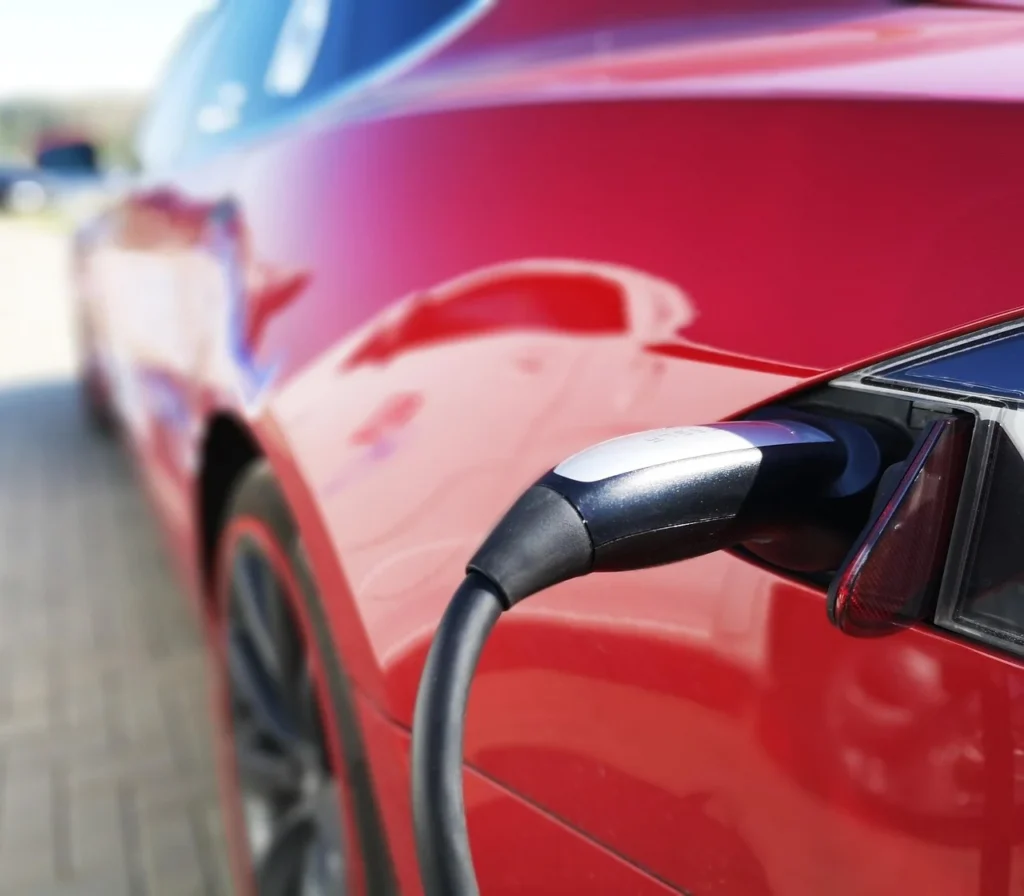
How you charge your EV day to day has a genuinely measurable effect on how long the battery stays healthy, and a handful of straightforward habits make a real difference over years of ownership. None of this requires obsessive attention, just a basic understanding of what actually stresses a lithium-ion battery and a few simple adjustments to your normal charging routine.
Why charging habits matter at all
Lithium-ion batteries, the type used in virtually all modern EVs, degrade gradually through a combination of age, heat exposure, and the stress of repeated full charge and discharge cycles at the extremes of their capacity. Charging habits directly influence how much stress the battery experiences day to day, meaning two identical cars, driven the same distance, can show meaningfully different battery health after several years depending purely on how they were charged.
The 20 to 80 percent guideline
Many manufacturers and battery specialists recommend keeping daily charging between roughly 20 and 80 percent of capacity for everyday use, reserving a full charge to 100 percent only for longer journeys where the extra range is genuinely needed. Charging to the extremes regularly, particularly sitting at 100 percent for extended periods, places more stress on the cells than staying within this middle range for routine use.
This isn’t a rigid rule that needs to be followed perfectly every single day, but treating it as a general habit rather than an exception meaningfully reduces cumulative stress on the battery over the years you own the car.
Why heat is the battery’s real enemy
Fast charging generates more heat within the battery pack than slower home charging, and repeated, frequent fast charging accelerates degradation more than occasional use. This doesn’t mean avoiding fast chargers entirely, they’re genuinely useful for longer trips, but relying on them for the majority of your everyday charging, when a slower home or overnight charge would work just as well, adds unnecessary thermal stress over time.
Practical habits that genuinely help
- Charge to around 80 percent for daily use, reserving 100 percent for longer trips
- Use slower home charging for routine top-ups where time allows
- Avoid letting the battery sit at very low charge for extended periods
- Park in shade or a garage where possible during hot weather, particularly after a fast charge
- Follow manufacturer guidance on any pre-conditioning features before fast charging in cold weather
Why very low charge levels are also a problem
Just as sitting at 100 percent stresses the battery, letting it sit at a very low charge, particularly for extended periods, also isn’t ideal, and in rare cases can affect the battery management system’s ability to accurately read cell states after an extended deep discharge. Charging before the battery drops too low, rather than habitually running it right down, protects the battery from both extremes.
Does charging speed itself damage the battery?
Occasional fast charging is built into how modern EVs are designed to be used and doesn’t cause meaningful harm on its own. The concern is really about frequency and combination with heat, a car that fast charges daily in hot weather experiences considerably more cumulative stress than one that fast charges occasionally for genuine long trips, with most charging happening more gently at home overnight.
How battery management systems already help protect you
Modern EVs increasingly manage much of this automatically, limiting maximum charge rates as the pack approaches full, actively cooling the battery during fast charging, and sometimes capping the displayed “100 percent” slightly below the pack’s true maximum specifically to reduce stress at the top end. This built-in protection is genuinely reassuring, though it works best alongside sensible charging habits rather than replacing the need for them entirely.
What this means for winter driving specifically
Cold weather already reduces usable range and can slow charging speed, and combining cold conditions with poor charging habits compounds the effect. Where possible, charging while the car is still warm from a recent drive, rather than letting it go fully cold first, and following any manufacturer pre-conditioning guidance before fast charging in winter, helps protect the battery through the colder months.
Getting your battery’s health confirmed
Even with good charging habits, it’s worth having your battery’s actual health checked periodically rather than assuming good habits alone guarantee a particular outcome. A hybrid or EV battery health check gives you real data on how your specific car’s battery is actually performing, confirming whether your charging routine is genuinely paying off.
Book a check with SSK Mechanics
SSK Mechanics can carry out a proper battery health check on your EV or hybrid at your home across Bradford and West Yorkshire, giving you a clear, specific picture of your battery’s condition alongside practical, model-specific charging advice tailored to your particular car.
How temperature-controlled parking helps more than people expect
A battery that spends its parked time in a hot, sun-exposed driveway experiences meaningfully more thermal stress over months and years than one parked in a garage or shaded area, particularly in the hours immediately following a fast charge when the pack is already running warmer than usual. This is a genuinely underappreciated factor, since most charging advice focuses on the charging process itself rather than what happens to the battery in the hours afterward while it’s simply sitting parked.
For owners without covered parking, simply being mindful of this, perhaps avoiding a fast charge immediately before a full day parked in direct summer sun where an alternative timing is realistic, is a small adjustment that compounds meaningfully over years of ownership.
Software updates and their role in charging behaviour
Manufacturers periodically release software updates that refine how a car manages charging, sometimes adjusting default charge limits, improving thermal management during fast charging, or fixing bugs that previously allowed unnecessary stress on the pack. Keeping your car’s software current, whether through automatic over-the-air updates or a periodic dealer visit depending on your manufacturer’s approach, is a genuinely easy way to benefit from ongoing improvements to battery protection without needing to change your own habits at all.
What manufacturer battery warranties actually tell you about intended use
Most manufacturer battery warranties are structured around reasonable, typical usage patterns rather than extreme or unusual charging habits, and understanding this gives a useful clue about what “normal” charging is expected to look like. A warranty that assumes typical daily charging to a moderate level, with occasional full charges for longer trips, implicitly confirms that this pattern, rather than habitual full or empty charging, is what manufacturers themselves consider sensible, sustainable use over the life of the battery.
Building charging habits into a wider EV routine
Good charging habits work best as part of a broader, unremarkable routine rather than something requiring constant conscious effort, plugging in most nights to a sensible charge limit set once in the car’s settings, reserving full charges for planned longer trips, and letting the car’s own battery management handle the rest. Once set up this way, protecting your battery becomes something that simply happens automatically in the background of normal ownership.
What happens if you’ve already developed poor charging habits
If you’ve been charging to 100 percent every night for years without really thinking about it, the good news is that adopting better habits now still genuinely helps going forward, even though it can’t undo whatever cumulative stress has already occurred. Battery degradation isn’t an all-or-nothing outcome, it’s a gradual curve, and shifting to better habits at any point slows the rate of further degradation from that point onward.
A simple habit worth adopting this week
If your car allows setting a default charge limit in its settings, taking five minutes to set this to around 80 percent now, rather than continuing to charge fully out of habit, is genuinely one of the easiest, most impactful changes available to any EV owner wanting to protect their battery’s long-term health without changing anything else about how they actually use the car day to day.
Getting your specific battery’s condition confirmed
SSK Mechanics can assess your EV or hybrid’s actual battery health at your home across Bradford, giving you real, specific data on how your car is performing and honest, practical advice tailored to your particular charging setup and driving pattern.
Why consistency matters more than perfection
Nobody manages perfect charging habits every single day, and that’s genuinely fine, an occasional full charge before a long trip or a rare emergency rapid charge session won’t meaningfully harm a battery on its own. What matters for long-term battery health is the overall pattern across months and years, not any single charging session, so it’s worth thinking of this as a general habit to lean toward rather than a strict rule that needs flawless adherence every day.
A quick summary worth remembering
Charge to around 80 percent for daily use, favour gentle home charging where possible, avoid letting the battery sit at extremes for extended periods, and keep your car’s software updated. These four simple habits, practiced consistently rather than perfectly, genuinely add up to a meaningfully healthier battery over the years you own the car.
How this ties into your car’s overall resale value
Good charging habits maintained consistently over years of ownership genuinely show up in a battery health check’s results when the time eventually comes to sell, giving you concrete, independently verifiable evidence of a well cared for car rather than simply your word for it. This is a genuine, tangible payoff for habits that cost nothing extra and require very little conscious effort once established.
Final thoughts on protecting your investment
The battery is genuinely the single most expensive component in your EV, and the habits covered here cost nothing to adopt, require no special equipment, and simply involve being slightly more intentional about a routine you’re already doing every day regardless. Few opportunities in car ownership offer this much protection for this little effort.
How to set this up on your specific car
Most EVs allow setting a charge limit directly through the vehicle’s touchscreen menu or the manufacturer’s smartphone app, usually found under charging or battery settings. If you’re unsure where to find this on your particular model, your owner’s handbook or a quick search of your manufacturer’s official support pages will walk you through the exact steps, and it genuinely only needs setting once to apply automatically to every future charging session.
What good looks like a year from now
An owner who adopts sensible charging habits today and simply continues them without much further thought should, a year or several years later, see a battery health check confirm noticeably better retained capacity than an otherwise identical car charged carelessly throughout the same period, genuine, measurable proof that small daily habits really do add up over time.
Reach out to SSK Mechanics
Whether you want a battery health check, general advice on your specific model, or simply reassurance that your current habits are already sensible, our team across Bradford and West Yorkshire is ready to help.
Small habits, applied consistently over years rather than perfectly every single day, are genuinely what protects a battery’s long-term health, and adopting them costs nothing beyond a small change in routine most owners barely notice after the first few weeks.
If your battery’s health has never actually been checked, there is no better time than now to find out exactly where it stands, giving you a genuine baseline to measure future improvements against as you put these habits into practice.
Book your check with SSK Mechanics today.
Reserving the fastest, most demanding form of charging for the situations that genuinely need it, rather than everyday convenience, is a mindset shift that costs nothing but pays off steadily over the years you own your car, protecting both your battery and your overall running costs at the same time.
Book now. We are here to help, whenever you need us. Book today.
Get in touch today and let our friendly, knowledgeable team give you clear, practical advice tailored specifically to your car and how you actually use it, rather than generic tips copied from somewhere else entirely.
Frequently asked questions
Should I charge my EV to 100 percent every night?
Not usually recommended for daily use, most guidance suggests charging to around 80 percent for everyday driving and reserving a full charge for longer journeys where the extra range is needed.
Does fast charging damage EV batteries?
Occasional fast charging is fine and built into how EVs are designed to be used, but relying on it very frequently, particularly combined with hot weather, adds more cumulative thermal stress than gentler home charging.
Is it bad to let my EV battery run very low?
Yes, letting the battery sit at a very low charge for extended periods is also not ideal, so charging before it drops too low is a sensible habit alongside avoiding the 100 percent extreme.
Do modern EVs protect the battery automatically during charging?
Yes, most modern EVs actively manage charge rates and battery temperature to reduce stress, though this works best combined with sensible everyday charging habits rather than relying on it alone.
How can I check if my charging habits are actually protecting my battery?
A dedicated battery health check measures actual cell condition and capacity, giving real data on how your specific car is performing rather than relying on assumptions.