

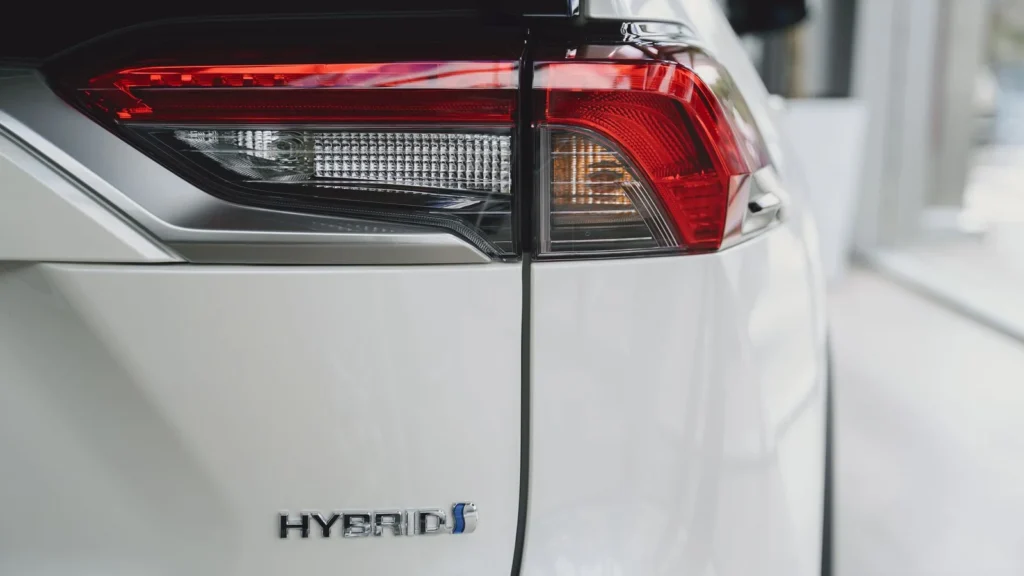
A hybrid battery warning light appearing on your dashboard is one of those moments that can trigger genuine panic, given how central the battery is to how the car actually runs and what it’s worth. Before assuming the worst, it’s worth understanding what this light actually indicates, since it covers a genuinely wide range of possibilities, from a minor, easily resolved sensor issue through to something that does need proper attention fairly promptly. Working through what’s actually going on, rather than guessing, is the difference between a calm, informed response and unnecessary anxiety over what might turn out to be a straightforward fix.
What the hybrid battery warning light is actually monitoring
The light is triggered by the battery management system, the electronics that continuously monitor individual cell voltages, temperature, and overall pack performance within the hybrid battery. This system is deliberately conservative, designed to flag anything outside expected parameters early, well before a genuine safety issue could develop, which means the light appearing doesn’t automatically mean catastrophic failure is imminent.
Manufacturers build in this caution deliberately, since hybrid batteries operate at meaningful voltage and current levels, and catching an emerging issue early is both safer and cheaper than waiting for a more dramatic failure to force the issue. Think of the warning light as an early smoke alarm rather than confirmation the house is already on fire.
Common causes ranging from minor to significant
At the minor end, a sensor reporting a slightly out-of-range reading, perhaps due to a loose connector or a temporary glitch, can trigger the light without anything genuinely wrong with the battery itself. In the middle range, individual cell imbalance, where one or more cells within the pack are ageing faster than the rest, commonly triggers this warning and is exactly the kind of issue a proper health check can quantify and monitor. At the more significant end, genuine capacity loss or a failing cooling fan for the battery pack can also be behind the light, and these cases benefit from prompt professional assessment.
Why driving behaviour around the time matters
Notice whether the light appeared during particularly hot weather, after a long uphill climb demanding sustained power from the hybrid system, or seemingly at random during ordinary driving. This context genuinely helps a mechanic narrow down the likely cause, since heat-related triggers point toward cooling system issues, while a light appearing during random, unremarkable driving points more toward a genuine cell or sensor fault worth investigating through proper diagnostics.
Should you keep driving with the light on?
- A steady, non-flashing amber light usually allows continued driving, though a check should be booked promptly
- A flashing or red warning light suggests something more urgent and warrants earlier attention
- Reduced power or unusual hybrid system behaviour alongside the light should be treated more cautiously
- If in doubt, a quick call to a mechanic before driving further is always a sensible option
What happens during a proper diagnostic assessment
Connecting specialist equipment to the car’s onboard computer reveals the exact stored fault code behind the light, translating a vague dashboard symbol into a specific, actionable finding. This is combined with a battery health check assessing individual cell voltages and overall capacity, giving a complete picture of whether the trigger was a minor sensor blip or something reflecting genuine battery condition.
What the possible outcomes actually look like
In many cases, the finding is reassuringly minor, a loose connector reseated, a software reset clearing a false reading, and the light doesn’t return. In other cases, ongoing monitoring is recommended, with a follow-up check in a few months to track whether a mild cell imbalance is progressing or stable. In a smaller number of cases, a repair or partial battery service is genuinely needed, and having accurate diagnostic data makes that decision, and its cost, considerably clearer than acting on guesswork.
Why ignoring the light is rarely the right call
Continuing to drive indefinitely with an unresolved hybrid battery warning risks allowing a minor, cheap-to-fix issue to develop into something more significant and expensive, particularly where cell imbalance is involved, since an increasingly unbalanced pack places more strain on the remaining healthy cells over time. Addressing it promptly, even if the eventual finding is minor, is consistently the more cost effective path.
How this affects resale value if you’re selling
A hybrid battery warning light that’s been ignored, or worse, cleared without proper investigation, is exactly the kind of thing a buyer’s independent inspection is likely to catch, potentially undermining trust in the whole sale even if the underlying issue was minor. Addressing it properly and keeping documentation of the resolution protects your position considerably better than hoping it goes unnoticed.
Getting a clear answer with SSK Mechanics
If your hybrid’s battery warning light has appeared, SSK Mechanics can carry out a proper diagnostic read alongside a full hybrid battery health check at your home across Bradford and West Yorkshire, giving you a specific, honest answer rather than leaving you to guess whether it’s something minor or something that needs immediate attention.
How this differs between older and newer hybrid models
Earlier generation hybrids, particularly those from the first wave of mainstream hybrid adoption in the 2000s, tended to trigger battery warnings somewhat more readily due to less sophisticated battery management software and older nickel-metal hydride chemistry that was inherently more sensitive to imbalance. Modern hybrids, with more advanced lithium-ion chemistry and considerably smarter management systems, generally show fewer false positives, meaning a warning light on a newer hybrid is statistically somewhat more likely to reflect a genuine, worth-investigating finding rather than an oversensitive early system flagging something ultimately harmless.
This doesn’t mean older hybrids should be dismissed if a warning appears, simply that context around the vehicle’s age and generation is useful additional information for a mechanic assessing the likely cause and appropriate urgency.
What a cell imbalance actually looks like in the data
When a mechanic pulls up individual cell voltage readings during a health check, a healthy pack shows cells clustered tightly together, typically within a very small voltage range of each other. An imbalanced pack shows one or more cells drifting noticeably apart from that cluster, either reading higher or lower than the group average. This drift is exactly what the onboard battery management system is designed to detect and flag through the warning light, often before the imbalance is severe enough to meaningfully affect how the car actually drives day to day.
Catching this early through a proper check, rather than waiting for the imbalance to worsen, genuinely gives more repair options, sometimes allowing a targeted fix addressing just the affected cells rather than a full pack replacement becoming necessary.
The role of the battery cooling system in triggering warnings
Most hybrid batteries rely on active cooling, sometimes using cabin air drawn through a dedicated filter, sometimes a liquid cooling circuit depending on the specific vehicle design, to keep the pack within its optimal operating temperature range. A blocked cooling filter, a failing cooling fan, or a low coolant level in liquid-cooled systems can all cause the battery to run hotter than intended, which the management system detects and flags through the warning light well before any permanent damage has actually occurred.
This is genuinely one of the more straightforward and affordable causes to rule out or confirm, since checking and cleaning or replacing a cooling filter is a considerably simpler job than any work involving the battery cells themselves.
Real examples of how this plays out for owners
A common scenario involves the warning appearing after a hot summer’s day of stop-start driving, precisely the conditions that stress a hybrid battery’s cooling system the most. In many such cases, a simple cooling system check and clean resolves the issue entirely, with the light not returning under normal conditions afterward. In other cases, the same trigger reveals a genuinely ageing battery that happened to show its first symptom during a particularly demanding driving period, which is exactly why proper diagnosis rather than assumption matters so much here.
How much a hybrid battery repair or replacement genuinely costs
Costs vary considerably depending on whether the issue is resolved through a software fix, a targeted cell or module replacement, or a full pack replacement, with the first two options being considerably more affordable than most owners initially fear when the warning light first appears. Reconditioned and aftermarket parts have also become more widely available in recent years, bringing costs down further compared to relying solely on manufacturer parts, and a reputable independent specialist can usually advise on the full range of options rather than defaulting straight to the most expensive route.
Why panic rarely helps and proper diagnosis always does
It’s a completely understandable reaction to feel anxious when a warning light touches something as central and expensive as the hybrid battery, but that anxiety is rarely a useful guide to actual severity. The light itself carries no information about whether you’re facing a five minute software reset or a genuine repair, and the only way to move from uncertainty to a clear, actionable answer is a proper diagnostic assessment carried out by someone who understands hybrid systems specifically.
Booking your diagnostic check
SSK Mechanics can read the exact fault code behind your hybrid battery warning light and carry out a full health check assessment at your home across Bradford and West Yorkshire, replacing uncertainty with a clear, honest answer and a sensible plan for whatever comes next.
How this affects your MOT and insurance
An unresolved hybrid battery warning light isn’t typically a direct MOT test item in the same explicit way tyre tread or lighting are, but any resulting reduced power or unusual driving behaviour could indirectly affect how the car performs during testing, and more importantly, driving with a known unresolved safety-related warning could complicate an insurance claim if it later transpires the fault contributed to an incident. Addressing the warning promptly rather than driving around it removes this ambiguity entirely.
What owners frequently get wrong about this warning
The most common mistake is assuming the light automatically means an expensive full battery replacement, an assumption that often leads owners to delay booking a check out of dread, precisely the opposite of the sensible response. In reality, a meaningful share of these warnings resolve with a comparatively minor fix once properly diagnosed, and delaying the check tends to only allow whatever the actual underlying issue is more time to develop further.
What to do right now if this light has just appeared
Note down exactly when it appeared and what you were doing at the time, avoid ignoring it or clearing it yourself without understanding the cause first, and book a proper diagnostic check within the next few days rather than weeks. This straightforward, calm approach genuinely is the right response for the vast majority of owners facing this situation, regardless of how alarming the light itself might feel in the moment.
Why local, hands-on experience with hybrids specifically helps
A mechanic who works regularly with hybrid vehicles across a range of makes and models develops a genuine feel for which warning patterns tend to resolve simply and which warrant closer attention, insight that comes from hands-on experience rather than a generic manual alone. This kind of pattern recognition, combined with proper diagnostic data, gives you the most reliable read on your specific situation.
Peace of mind is worth the modest cost
Compared to the cost of continuing to drive with unresolved uncertainty, or worse, ignoring the light until a minor issue develops into something more serious, a proper diagnostic visit is a genuinely modest investment for the clarity and peace of mind it provides.
Get in touch today to book your diagnostic check and battery health assessment, and trade uncertainty for a clear, honest answer about exactly what your hybrid needs.
Our friendly, experienced team is here to help, whatever the cause turns out to be. Book now. Reach out. Call today.
Frequently asked questions
Does a hybrid battery warning light always mean the battery is failing?
No, it can be triggered by a minor sensor issue, cell imbalance, or a cooling system fault, and only a proper diagnostic check can confirm which one applies to your car.
Can I keep driving with the hybrid battery warning light on?
A steady amber light usually allows continued driving with a check booked promptly, while a flashing or red warning suggests something more urgent needing earlier attention.
What is the most common cause of this warning light?
Cell imbalance within the battery pack is one of the most common triggers, where individual cells age at slightly different rates, which a health check can quantify.
How much does it cost to diagnose a hybrid battery warning light?
A diagnostic read combined with a health check is a relatively modest cost compared to the potential expense of an unresolved issue developing further over time.
Will this warning light affect my car's value if I want to sell it?
An unresolved or improperly cleared warning can undermine buyer trust, so addressing it properly and keeping documentation of the fix protects your position when selling.