

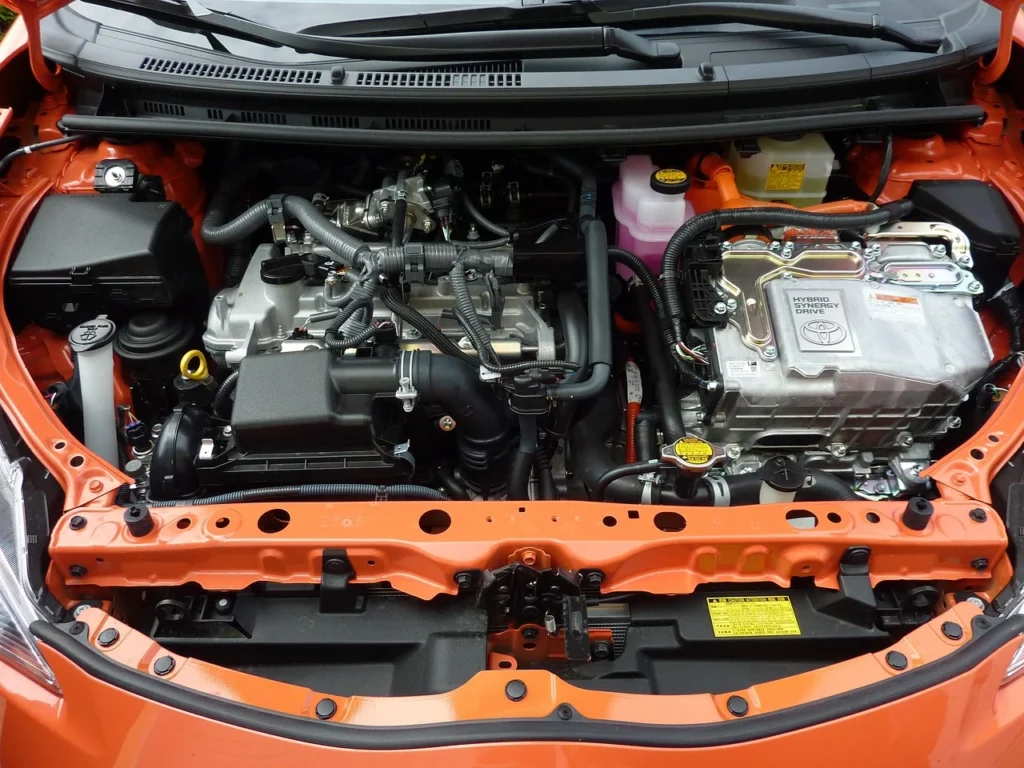
Hybrid and EV battery replacement has a reputation for being eye-wateringly expensive, and for a full pack replacement on some vehicles that reputation is fair. But full replacement is only one outcome among several, and a lot of hybrid battery concerns turn out to need something considerably less drastic once they’re properly diagnosed.
The gap between the cheapest and most expensive realistic outcome is large enough that it’s worth understanding what actually drives the price before assuming the worst.
Module failure versus full pack failure
Most hybrid battery packs are built from multiple individual modules working together. When a pack starts showing reduced range or performance, it’s often because one or a small number of modules have degraded faster than the rest, not that the entire pack has failed simultaneously. On many hybrid systems, it’s possible to test individual modules and replace just the weak ones, which is considerably cheaper than a full pack.
A genuine full pack failure, or a pack old enough that most modules are similarly degraded, does need complete replacement, and that’s where the higher costs come from.
What affects the price beyond the battery itself
- Whether the fault is isolated to specific modules or affects the whole pack
- Vehicle make and model, since pack design and part availability vary hugely
- Reconditioned versus new battery options, where available
- Labour required to access and remove the pack, which differs by vehicle layout
- Whether a software recalibration is needed after fitting
Typical cost breakdown
A proper diagnostic health check, which identifies whether the issue is module-specific or pack-wide, typically costs in the region of £80 to £150. Module-level repairs, where supported, can often be completed for several hundred pounds rather than thousands. A full pack replacement varies enormously by vehicle, from around £1,000 on some older or more common hybrids using reconditioned packs, up to several thousand pounds for a new pack on some models, particularly larger hybrids and full EVs.
Reconditioned or remanufactured packs, where a reputable supplier tests and replaces failed modules within a used pack, offer a genuinely useful middle ground for many hybrid owners, often at a considerably lower cost than a new factory pack.
Signs worth having checked
A noticeably reduced electric-only range, the engine running more than it used to on a hybrid that previously managed longer electric stretches, or a hybrid system warning light are all worth a proper health check rather than assuming the worst straight away. Age and mileage alone don’t tell the full story, since some packs degrade evenly and slowly while others show more localised module failure.
Labour and access costs on hybrid battery work
Beyond the battery pack itself, labour is a genuine factor in the total bill. On many hybrids the pack sits under the boot floor or behind the rear seats, requiring interior trim to be removed to gain access, while others integrate the pack more deeply into the vehicle structure, adding time and complexity. Some models also require a software update or recalibration of the hybrid control system after any battery work, to make sure the car correctly recognises the new or repaired pack’s state of charge.
It’s worth asking whether a quote includes this recalibration step, since skipping it can leave the dashboard showing an inaccurate charge level or the hybrid system not switching between electric and engine power as smoothly as it should, even after otherwise successful battery work.
It is worth asking any garage quoting hybrid battery work whether they have specific experience and the correct high-voltage safety equipment for your particular make, since working on these systems incorrectly carries genuine electrical risk, and not every general garage is set up or trained for it.
Because hybrid and EV technology is still relatively new to a lot of independent garages, it is worth confirming that whoever assesses your car has genuine experience with your specific manufacturer, since diagnostic approaches and safe working procedures differ meaningfully between brands.
Keeping a record of the car’s reported electric range over time is a genuinely useful, free way to track battery health yourself between proper checks, since a gradual, consistent decline is normal, while a sudden drop is worth investigating sooner.
Getting a diagnosis before assuming the worst
What a mechanic actually checks during a hybrid health assessment
A proper hybrid battery assessment tests each individual module’s voltage and internal resistance under load, rather than just reading an overall pack voltage, which can look perfectly normal even when one or two modules inside are significantly weaker than the rest. The technician will also pull the hybrid control system’s stored data on how the pack has been performing over recent journeys, including how quickly it’s charging and discharging and whether the car’s own management system has already started limiting how it uses certain sections of the pack to protect it, which is often an early sign of module-level trouble before any dashboard warning appears.
How hybrid battery issues compare with a conventional 12V battery fault
It’s worth being clear that hybrid and electric vehicles still have a separate, conventional 12V battery, distinct from the larger high-voltage traction battery that powers the drive system. A 12V battery fault causes familiar symptoms, difficulty starting, electrical accessories behaving oddly, and is diagnosed and replaced much like on any petrol or diesel car. A high-voltage pack fault instead shows up as reduced electric range, more frequent engine running, or a hybrid system warning specifically. Confusing the two, or having a garage without hybrid experience assume a 12V fault when the actual issue is in the traction battery, is a common way owners end up paying for the wrong repair.
What determines whether reconditioned is a sensible choice
A reconditioned pack, built from tested and matched used modules, works well when the source modules are genuinely healthy and properly matched to each other, since mismatched modules within a pack age unevenly and can shorten the life of the whole rebuilt unit. It’s worth asking any supplier what warranty comes with a reconditioned pack and how the modules were tested and matched, since a reconditioned pack from a reputable specialist with a proper warranty is a genuinely different proposition to an unverified used pack sourced cheaply online.
Everyday driving habits and hybrid battery longevity
Frequent full depletion of the electric range, followed by long periods sitting with the pack nearly empty, tends to accelerate wear more than a driving pattern that keeps the pack cycling in a more moderate range. Extreme temperatures matter too, and a pack that regularly sits in direct sun on hot days or endures very cold overnight temperatures without the car being driven ages somewhat faster than one kept in more moderate conditions, though this effect is generally smaller than the impact of driving style and total mileage.
Warning signs worth having checked promptly
A sudden, noticeable drop in electric range rather than a slow decline over months is worth investigating quickly, since a sudden change is more often linked to a specific module fault than to general, expected ageing across the whole pack. Similarly, if the hybrid system warning light appears alongside reduced power or the engine running constantly even at low speed, that’s worth treating as more urgent than a gradual range reduction noticed only over several weeks of normal use.
Cost variation between hybrid and full electric vehicles
Mild and full hybrid packs are generally smaller and less expensive to replace than the larger battery packs fitted to full electric vehicles, simply because they store considerably less energy and the pack itself is a smaller, less complex unit. Plug-in hybrids sit somewhere between the two, with a larger pack than a standard hybrid but still smaller than a full EV, which is reflected in replacement costs sitting at an intermediate point too. This is worth keeping in mind when comparing costs across different types of electrified vehicle, since headline figures for “EV battery replacement” often refer to full electric vehicles specifically and can be misleadingly high if applied to a standard hybrid.
Frequently asked questions
Does hybrid battery health affect fuel economy? Yes, noticeably. A degraded pack means the engine runs more often to compensate for reduced electric assistance, which can measurably increase fuel consumption even before any warning light appears.
Is hybrid battery replacement covered by an extended warranty? It depends entirely on the specific policy and the age and mileage of the vehicle, so checking your exact terms before assuming cover, or assuming no cover, is worthwhile.
What happens during a hybrid battery module test in practice
The pack is accessed, which on most hybrids means removing rear seat cushions or boot floor trim rather than anything more invasive, and each module is individually connected to test equipment that measures voltage and internal resistance under a controlled load. Modules that fall noticeably outside the expected range for their age and mileage are flagged as candidates for replacement, while modules performing within a normal range are left alone. This individual testing is what makes module-level repair possible at all, and it’s a considerably more time-consuming process than simply reading an overall pack voltage, which is part of why a proper hybrid health check costs more than a basic diagnostic scan but represents genuine value given what it can save on unnecessary full pack replacement.
What to ask a garage before booking hybrid battery work
Asking directly whether the workshop has genuine experience with your specific make, what high-voltage safety training and equipment they hold, and whether module-level testing is included in the initial assessment, rather than jumping straight to a full pack quote, are all reasonable and worthwhile questions before booking any hybrid battery work.
How hybrid battery costs compare across common models
Well-established hybrid models that have been on the road in large numbers for many years, certain Toyota and Lexus hybrids in particular, tend to have a more mature market for reconditioned packs and individual modules, since parts specialists have had years to build up expertise and stock for these specific systems. Newer or less common hybrid and plug-in hybrid models can be more expensive to service in this way simply because the reconditioned parts market hasn’t developed to the same extent yet, meaning new manufacturer parts are sometimes the only realistic option even where a module-level repair would otherwise have been perfectly sensible. This is worth bearing in mind when comparing anecdotal costs between different owners, since a friend’s experience with a common, well-supported hybrid model may not translate directly to a newer or less widely owned car.
It’s also worth asking whether a hybrid health check includes a check of the cooling system for the battery pack itself, since many hybrid packs rely on dedicated cooling, either air or liquid based, to manage temperature during charging and discharging, and a fault in that cooling system can accelerate pack wear even when the battery modules themselves start out perfectly healthy.
Keeping the car’s service book updated with any hybrid-specific work carried out also helps build a clear ownership history, which can be genuinely useful if you come to sell the car later.
None of this needs to feel overwhelming. A specialist hybrid workshop can talk you through exactly what a health check found and what it genuinely means for your car, in plain terms rather than technical jargon, so you can make a properly informed decision about repair, replacement, or simply carrying on as normal for now.
Booking this kind of assessment early, at the first sign of reduced range rather than waiting for a warning light, is generally what keeps the eventual bill on the smaller end of the scale.
Because the cost difference between a module repair and a full pack replacement is so significant, a proper diagnostic assessment is worth doing before committing to either. SSK Mechanics carries out a full hybrid battery health check, checking individual module performance rather than jumping straight to a full replacement recommendation. See the RAC’s electric and hybrid car advice for wider background, then get your instant quote from SSK Mechanics right away.
Frequently asked questions
Can a hybrid battery be repaired instead of replaced?
Often yes, if the issue is isolated to a small number of weak modules within the pack rather than affecting the whole battery evenly.
How long do hybrid batteries last?
Many are designed to last well beyond 100,000 miles, though this varies by manufacturer, climate, and how the car has been used and charged.
Is a reconditioned hybrid battery reliable?
A reconditioned pack from a reputable supplier, where individual modules are tested and replaced as needed, can be a genuinely reliable and more affordable option.
Does hybrid battery health affect fuel economy?
Yes, a degraded battery means the engine has to do more work, which typically shows up as reduced fuel economy over time.