

A humming or droning noise that changes with road speed and gets louder when you steer slightly one way is one of the more distinctive fault sounds a car makes, and it usually points to a worn wheel bearing. It’s also one of those faults that’s genuinely fine to have checked promptly and fixed on a reasonable timescale, but progressively less fine the longer it’s left.
Understanding why the cost climbs the longer a worn bearing runs helps explain why mechanics tend to push for earlier rather than later on this one.
What a wheel bearing actually does
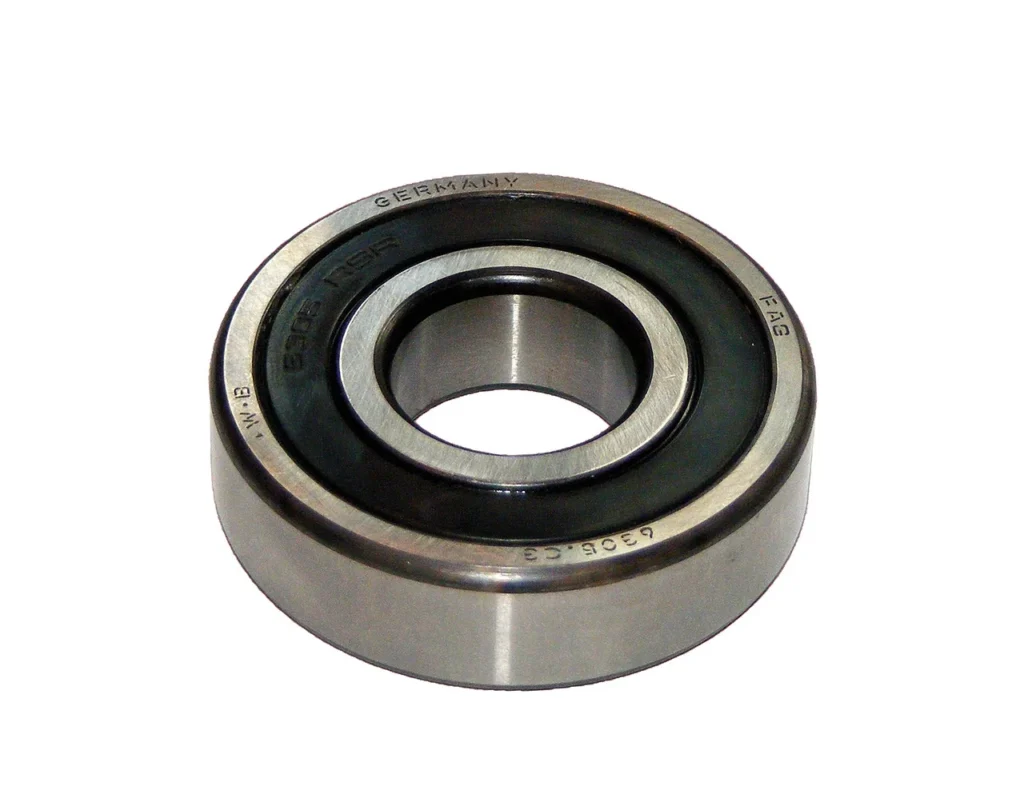
The wheel bearing allows the wheel to spin smoothly and freely on the hub while supporting the vehicle’s weight and handling the sideways loads generated by cornering. It’s a precision component, and once it starts to wear, tiny amounts of play develop that generate noise, vibration, and eventually looser, less predictable handling.
Why the cost increases the longer it’s left
Early on, a worn bearing is usually a straightforward, isolated replacement. Left running, the developing play can transfer wear onto the hub itself, and on some vehicles, into the ABS sensor ring that’s built into or sits close to the bearing assembly, since that sensor relies on precise, consistent rotation to work properly. Once that happens, what started as a bearing-only job can turn into replacing the hub assembly and potentially an ABS sensor too, at a noticeably higher cost than catching it early.
In more extreme cases, a bearing left to fail completely can seize or generate enough heat and play to become a genuine safety issue, since it’s a structural part of how the wheel stays properly attached and aligned.
Signs of a worn wheel bearing
- A humming or droning noise that increases with speed
- Noise that changes noticeably when you steer gently left or right
- A grinding or growling sound, often a sign of more advanced wear
- Vibration felt through the steering wheel or floor
- ABS or traction control warning lights, on some vehicles
Typical cost breakdown
Caught reasonably early, a single wheel bearing replacement, supplied and fitted, typically costs somewhere between £120 and £280 depending on the vehicle and whether it’s a simple bearing or a full hub assembly design, which many modern cars use. If wear has progressed to affect the hub or an ABS sensor, that adds further cost, potentially taking the job to £350 or more, and if left long enough, some vehicles need additional alignment work afterward too.
Bearing versus hub assembly: why the terminology matters
On older or simpler vehicle designs, a wheel bearing is a standalone component that can be pressed out and replaced on its own. Many modern cars instead use a sealed hub assembly, where the bearing is integrated with the hub as a single unit, which cannot be serviced separately. This affects cost directly, since a hub assembly is generally a more expensive part than a bearing alone, even though the labour to fit either is often similar. Knowing which design your car uses helps explain why one quote might look higher than another for what sounds like the same job.
Front and rear wheel bearings also wear at different rates depending on the car, with front bearings often taking more load through cornering and braking on front-wheel-drive vehicles, which is why front bearing wear tends to show up more often in practice.
Noise alone should never be the only diagnostic tool used here, since worn CV joints, tyre wear patterns, and even certain tyre designs can produce sounds that are easily mistaken for a bearing at highway speed, which is why a proper road test and physical inspection matters before any parts are ordered.
Because both front wheel bearings tend to see similar loads and mileage on most cars, some mechanics recommend replacing both sides together once one has failed, particularly on higher-mileage vehicles, to avoid a second, separate labour charge for the same job within a short space of time.
A proper road test at varying speeds, along with a physical check for play in the wheel when jacked up, remains the most reliable way to confirm a bearing diagnosis before any work is booked.
Is it safe to keep driving on a worn bearing
Short term, at an early noise-only stage, it’s generally not an immediate emergency, but it shouldn’t be ignored for long. As wear progresses, the risk of sudden excessive play or a bearing seizing while driving increases, which can affect steering and control. Any noise accompanied by vibration through the steering wheel is worth treating with more urgency than noise alone.
What a mechanic actually checks to confirm a bearing diagnosis
A proper check starts with a road test at a range of speeds, listening for how the noise changes under light left and right steering input, since a bearing on one side typically gets quieter when weight shifts away from it and louder when weight shifts onto it. Back at the workshop, the car is raised and each wheel is grabbed at the top and bottom to check for play, and spun by hand to feel and listen for roughness that wouldn’t be obvious at driving speed. This combination of road test and physical check is what separates a confident diagnosis from a guess based on noise alone, since several other faults can produce a broadly similar sound at speed.
How bearing wear compares with other noise-producing faults
Worn CV joints, particularly the outer joint, can produce a clicking or knocking noise on tight turns that’s sometimes confused with bearing noise, though CV joint noise tends to be more pronounced on full lock rather than gentle steering input. Certain tyre wear patterns and some budget tyre designs also generate a droning noise at speed that can sound remarkably similar to a bearing from inside the cabin. This is exactly why a physical inspection matters alongside the road test, since fitting a new bearing based on noise alone, when the actual cause is tyre-related, wastes money without fixing the actual problem.
Pressed bearings versus hub assemblies
Older or simpler suspension designs use a bearing that presses in and out of a separate hub, allowing the bearing alone to be replaced without disturbing the rest of the assembly, which keeps costs lower. Most cars built in the last fifteen years or so instead use a sealed hub assembly, where the bearing is permanently integrated with the hub, wheel speed sensor ring and sometimes part of the ABS sensor itself. This design is generally more reliable over its life but means the whole assembly needs replacing as a unit rather than just the bearing, which is a meaningful part of why quotes for what sounds like the same repair can vary noticeably between vehicle types.
Front versus rear wear patterns
On front-wheel-drive cars, which make up the large majority of vehicles on the road, front bearings carry the combined load of steering, driving and the majority of the car’s weight under braking, which is why front bearing failure is considerably more common than rear. Rear bearings on a front-wheel-drive car often last the life of the vehicle without needing attention at all, while on four-wheel-drive or rear-wheel-drive vehicles, wear tends to be more evenly distributed between front and rear, which is worth knowing when trying to judge how urgently a noise from a particular corner needs investigating.
Why catching it early keeps the repair simple
A bearing caught at the early noise-only stage is typically a clean, isolated replacement with no complications. Left running for months, the developing play can transfer wear into the surrounding hub and, on some vehicles, into the ABS sensor ring built into the assembly, at which point what would have been a single, moderate bill becomes a considerably larger one involving several components rather than one.
Cost variation by vehicle type and drive layout
Smaller, lighter hatchbacks and saloons generally sit toward the lower end of the typical bearing replacement price range, while larger SUVs, four-wheel-drive vehicles and premium cars with more complex hub assemblies sit higher, reflecting both the more expensive parts involved and the additional labour some designs need for access. Vans and vehicles that regularly carry heavier loads also tend to see bearing wear at a younger age than the manufacturer’s general guidelines suggest, since the extra weight increases the load the bearing has to handle on every rotation.
Frequently asked questions
Can a wheel bearing fail without warning? It’s rare for a bearing to fail completely with zero warning, but the warning period can be shorter than expected if the car has been driven a lot since the noise first appeared, which is why prompt attention matters.
Will a wheel bearing fault show up on a diagnostic scan? Sometimes, particularly on vehicles where the ABS sensor ring is built into the bearing assembly and wear has progressed enough to affect sensor readings, but a physical check remains the most reliable method for catching it early.
What a wheel bearing replacement involves on the day
The wheel and brake components local to the hub are removed to access the bearing or hub assembly, and on a pressed-bearing design, specialist tools press the old bearing out and the new one in without damaging the hub itself, a process that needs to be done carefully to avoid introducing new play or damage during fitting. On a hub assembly design, the complete unit is unbolted and replaced as one piece, which is often a quicker job despite the higher part cost. Afterward, the car is road tested to confirm the noise has genuinely gone, since on rare occasions a second, less obvious fault can be present alongside the bearing, and catching that at the road test stage rather than after the customer has driven away saves an awkward follow-up visit.
A quick way to check for play at home
With the car safely raised and the wheel off the ground, gently rocking each wheel by hand at the top and bottom, feeling for any looseness, can give an early indication of developing wear, though it’s not a substitute for a proper inspection and shouldn’t be attempted without the car safely and securely supported.
How road surface and driving style affect bearing life
Consistently driving on rough, poorly maintained roads accelerates bearing wear in a similar way to how it affects shock absorbers and other suspension components, since every pothole and uneven surface transmits additional shock loading through the bearing along with everything else in the suspension and steering. Aggressive cornering, particularly repeated hard cornering in the same direction, such as a regular commute with several tight bends taken briskly, can also cause slightly uneven wear between the two front bearings over time, which is occasionally why one side fails noticeably before the other despite both having covered identical mileage. None of this means these driving patterns should be avoided entirely, but it’s useful context for why a bearing might need attention sooner than a generic mileage guideline would suggest, and why paying attention to noise as soon as it appears matters more for drivers with this kind of usage pattern.
It’s worth noting that a new bearing needs a short bedding-in period too, and a slight, very faint noise for the first few hundred miles after fitting isn’t necessarily cause for concern, though anything that sounds similar to the original fault, rather than a general new-part settling noise, is worth mentioning at a follow-up check.
Keeping a simple note of which corner the noise seems to come from, even if you’re not certain, gives a useful starting point for the road test.
None of this needs to feel overwhelming. A proper road test and hands-on inspection, explained clearly rather than in technical shorthand, gives you a genuine understanding of what’s worn and why, so you can make an informed decision about timing rather than feeling pressured into an immediate repair.
If you’ve noticed a humming or droning noise that changes with steering input, it’s worth having your wheel bearings checked before it turns into a bigger job. See GOV.UK’s MOT guidance for how wheel bearing wear is assessed at test time, then get your instant quote from SSK Mechanics.
Source: GOV.UK MOT guidance
Frequently asked questions
Can I drive with a worn wheel bearing?
For a short period at an early stage it is generally not an immediate emergency, but the risk increases the longer it is left, so it should be checked promptly.
How do I know which wheel bearing is worn?
Noise that changes when steering gently one way often points to the bearing on the opposite side, though a proper inspection confirms it more reliably.
Do wheel bearings wear evenly on both sides?
Not always. Driving style, road camber, and load distribution can cause one side to wear faster than the other.
Will a worn wheel bearing fail an MOT?
Yes, excessive play or noise from a wheel bearing is a checked item and can result in an MOT failure if beyond the acceptable limit.