

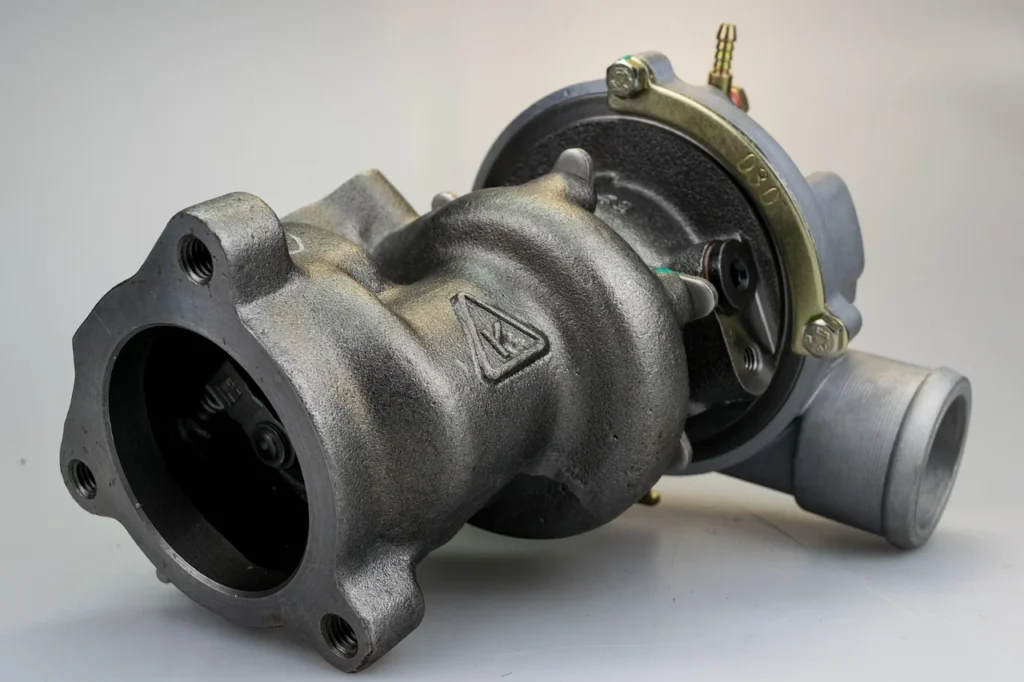
A failing turbo tends to grab attention quickly, whistling noises, a noticeable loss of power, or smoke from the exhaust are hard to ignore. What’s less obvious is that “turbo replacement” actually covers several different options, and picking the right one for your situation can make a genuine difference to the final bill.
Repair, reconditioned, and new all have their place depending on what’s actually failed and what condition the rest of the engine is in, so it’s worth understanding the difference before agreeing to a quote.
What actually fails on a turbo
Turbos commonly fail due to worn bearings, a damaged or cracked housing, failed seals allowing oil into the intake or exhaust, or actuator faults affecting how the turbo controls boost pressure. Some of these are repairable in isolation, a worn actuator or a seal, for example, while others, like a badly damaged housing or shaft, generally mean the whole unit needs replacing.
It’s also worth diagnosing why the turbo failed in the first place. A turbo that’s failed due to oil starvation, often from a blocked oil feed pipe or an engine that’s been run low on oil, will likely damage a replacement turbo too if that underlying cause isn’t fixed first.
Repair, recon or new: what’s the difference
- Repair: individual worn components, like the actuator or seals, are replaced without swapping the whole unit, cheapest option where possible
- Reconditioned: a used turbo is stripped, worn parts replaced, and rebuilt to a tested standard, a middle-ground option widely used across the trade
- New: a brand new unit from the manufacturer or a reputable aftermarket supplier, the most expensive but sometimes the only option for newer or less common vehicles
Typical cost breakdown
A repair addressing a specific fault, such as an actuator, can sometimes be done for a few hundred pounds. A reconditioned turbo, supplied and fitted, typically runs somewhere between £400 and £900 depending on the vehicle, and is a well-established, reliable option for many common cars. A new turbo can range from around £700 up to well over £1,500 on some vehicles, particularly larger diesels and performance-oriented petrols with more complex turbo systems.
On top of the turbo itself, if oil starvation caused the failure, budget for addressing that cause too, whether that’s an oil feed pipe, a blocked oil pickup, or simply a proper oil and filter service, since fitting a new turbo without fixing the root cause risks the same failure happening again.
Why fixing the cause matters as much as the turbo itself
Fitting a new or reconditioned turbo without addressing whatever caused the original failure is one of the more common ways owners end up paying for the same repair twice within a relatively short space of time. Oil starvation, in particular, can be caused by something as simple as an overdue oil change with degraded, thickened oil, or a blocked oil feed pipe restricting flow to the turbo’s bearings. A thorough diagnosis should identify which of these applies before any replacement work goes ahead, rather than treating the turbo as an isolated part.
It is also worth checking whether the turbo failure has sent any debris further into the engine’s intake or exhaust system, since in some cases a failed turbo can contaminate the intercooler or exhaust with oil, which then needs cleaning or flushing as part of the same repair to avoid the new turbo being immediately contaminated too.
Warranty terms on both reconditioned and new turbos are worth comparing directly, since some suppliers offer considerably longer cover than others, and a longer warranty on a slightly higher-priced unit can work out better value if anything goes wrong within the first year or two of use.
Some manufacturers also specify a mandatory oil and filter change alongside any turbo replacement, precisely because contaminated or degraded oil is such a common contributing factor in turbo failure, so it is worth checking whether this has been factored into any quote you receive.
A short drive style adjustment after fitting a new or reconditioned turbo, avoiding hard acceleration from cold and allowing the engine to idle briefly before switching off after a hard drive, also genuinely extends the life of the new unit.
Signs your turbo may be failing
A whistling or whining noise under acceleration, a noticeable loss of power, blue-grey smoke from the exhaust, and increased oil consumption are all worth having checked. None of these guarantee a full turbo replacement is needed, but ignoring them tends to let a repairable fault progress into something more expensive.
What a mechanic actually checks before quoting turbo work
Beyond confirming the turbo itself has failed, a thorough diagnosis checks oil supply pressure and flow to the turbo, inspects the oil for contamination or excessive wear particles, and examines the intercooler and intake piping for oil residue, which indicates how the failure has progressed and whether other components need attention alongside the turbo itself. The technician will also check for excessive shaft play by hand, spinning the turbo’s compressor wheel and feeling for movement that shouldn’t be there, which is a quick, reliable way to confirm bearing wear without needing to remove the unit first.
How turbo failure compares with other causes of power loss
Not every loss of power under acceleration is a turbo fault. A blocked DPF, a failing EGR valve causing the ECU to pull back power to protect the engine, or a boost leak from a split intercooler hose can all produce similar symptoms without the turbo itself being at fault. A boost leak in particular is worth ruling out first, since it’s considerably cheaper to fix, a split or perished intercooler hose typically costs a fraction of turbo replacement, and it can mimic turbo failure convincingly enough that a rushed diagnosis sometimes jumps straight to condemning the turbo when the actual fault lies elsewhere in the system.
Why turbo failures cluster on certain engines and driving styles
Engines that are driven hard from cold, before the oil has properly warmed and reached full pressure, put more strain on turbo bearings than the same engine driven gently for the first few minutes of a journey. Similarly, switching the engine off immediately after a hard, sustained drive, rather than letting it idle briefly first, can leave the turbo’s bearings running hot without fresh oil circulating to cool them, which accelerates wear over time. Neither habit causes instant failure on its own, but combined with age and mileage, they’re a meaningful factor in why some turbos last considerably longer than others on otherwise similar cars.
Reconditioned turbo quality varies more than most buyers expect
Not all reconditioned turbos are built to the same standard. A reputable specialist will replace all wearing components, bearings, seals and often the actuator, and test the finished unit on a balancing rig before it goes out, while a cheaper reconditioned unit might only have had the obviously failed part swapped without a full rebuild or proper balance testing. This difference doesn’t always show up in the initial price, which is why asking specifically what a reconditioned turbo’s rebuild included, and what warranty backs it, matters more here than with most other parts.
Getting the most life from a new or reconditioned turbo
Beyond fixing whatever caused the original failure, a short period of gentler driving after fitting, avoiding hard acceleration for the first hundred miles or so, allows the new bearings to bed in properly. Sticking to the manufacturer’s recommended oil grade and service interval afterward, rather than stretching an oil change to save money, is one of the more reliable ways to protect the investment in a new turbo over the following years.
Cost variation by engine and vehicle type
Smaller petrol engines with a single, simpler turbo generally sit at the lower end of the typical price range, while larger diesels, and particularly performance petrol engines running twin-turbo or variable-geometry turbo setups, sit considerably higher, both in part cost and in the complexity of fitting and calibrating the replacement correctly. Commercial vans doing high daily mileage often see turbo wear at a younger age than the same engine in a private car, simply due to the sheer number of hours the turbo spends under load, which is worth factoring into how proactively van owners in particular might want to monitor for early warning signs.
Frequently asked questions
Can a turbo be repaired more than once? In principle yes, if the fault is isolated to a replaceable component each time, though a turbo that’s needed repeated attention is often approaching the point where a full reconditioned or new unit becomes the more sensible long-term choice.
Does turbo failure always mean engine damage too? Not always, but it’s always worth checking, since debris or oil contamination from a failed turbo can affect the intercooler and exhaust system if not caught early.
What happens during turbo replacement on the day
Beyond fitting the new or reconditioned unit itself, a thorough job includes flushing the oil feed and return lines to clear any debris from the failed unit, replacing the oil and filter to remove contaminated oil that contributed to or resulted from the failure, and in many cases replacing the turbo’s gaskets and any associated hoses that have hardened with age and heat exposure, since reusing old, brittle gaskets on a newly fitted turbo risks an early oil or boost leak undermining the whole repair. The car is then run and monitored to confirm boost pressure builds correctly and no unusual noises or smoke are present, before being returned with guidance on the gentler running-in period the new unit benefits from.
A note on warranty and comeback cover
Whichever route you choose, repair, reconditioned or new, checking exactly what the warranty covers, parts only or parts and labour, and for how long, matters more with turbo work than with many other repairs, given how expensive a repeat failure would be if the underlying cause wasn’t properly addressed the first time.
How to spot a turbo problem before it becomes a full failure
A gradual, almost imperceptible reduction in how eagerly the car pulls under acceleration, noticed mainly because you’re comparing it against how the car used to feel rather than any dramatic symptom, is often the earliest sign of turbo wear, well before whistling noises or visible smoke appear. Keeping half an eye on oil consumption between services is a genuinely useful early warning tool too, since a turbo that’s starting to let oil past its seals will show up as gradually increasing oil consumption before the problem becomes severe enough to produce visible smoke or an obvious performance drop. Drivers who notice either of these subtle changes and have the car checked promptly are usually looking at a considerably smaller repair bill than those who wait for the more dramatic, unmistakable symptoms to appear.
It’s also sensible to ask whether the quoted turbo work includes checking and, if needed, replacing the wastegate actuator linkage, since a worn or seized linkage can produce symptoms similar to turbo failure, boost that doesn’t build correctly, while being a considerably smaller and cheaper fix than the turbo unit itself if caught and diagnosed correctly.
A brief chat with whoever carries out the work about your typical driving pattern also helps them advise on realistic running-in expectations for your specific circumstances.
None of this needs to feel overwhelming either. A specialist can walk you through exactly what was found during diagnosis and why a particular route, repair, reconditioned or new, makes the most sense for your specific car and budget, rather than leaving you to interpret a technical report alone.
Booking the check promptly at the first hint of trouble tends to keep the eventual repair on the smaller, cheaper end of the range.
If you’re hearing unusual noises under boost or have noticed a drop in power, get it diagnosed properly before assuming the worst. SSK Mechanics can assess whether your turbo needs repair, a reconditioned unit, or full replacement, and identify the underlying cause so it doesn’t happen again. See the RAC’s engine advice for more background, then get your instant quote from SSK Mechanics today.
Source: the RAC's engine advice
Frequently asked questions
Can a turbo be repaired instead of replaced?
Sometimes, if the fault is isolated to a specific component like the actuator or seals, though a damaged housing or shaft usually means the whole unit needs replacing.
Is a reconditioned turbo as good as new?
A reconditioned turbo from a reputable supplier, tested and rebuilt to proper standards, is a widely used and reliable option for most vehicles.
What causes turbo failure?
Oil starvation, contaminated oil, worn bearings, and physical damage from debris are among the most common causes.
Can I keep driving with a failing turbo?
It is best avoided, since a failing turbo can send debris or excess oil into the engine and exhaust, potentially causing further damage the longer it continues.