

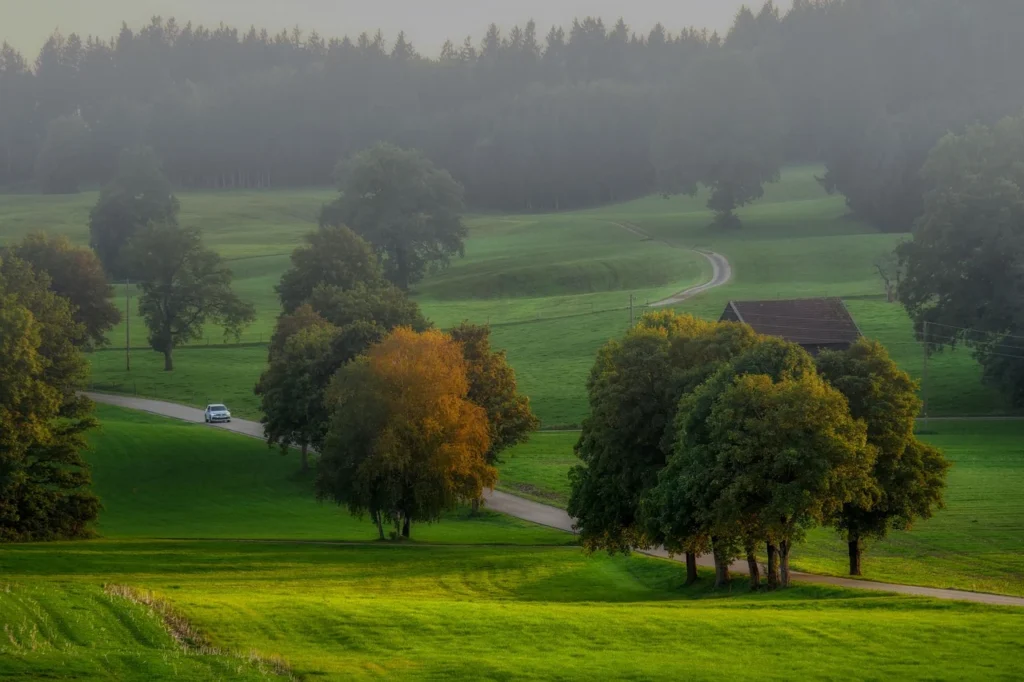
Queensbury and Denholme both sit among the highest inhabited ground anywhere in West Yorkshire, and anyone who has driven through either village on a genuinely wild winter’s day understands immediately why they have such a reputation locally for testing conditions. Between the elevation, the near-constant wind exposure and the distance from the more sheltered valley routes elsewhere in the district, driving Queensbury and Denholme in winter demands a level of preparation that many drivers only fully appreciate after their first genuinely difficult crossing.
Why these particular villages sit at the extreme end of local conditions
Queensbury sits at one of the highest points in the wider Bradford district, and Denholme, a little further along toward the edge of the district near the Lancashire border, sits at a similarly exposed elevation. Both villages experience noticeably lower average temperatures than Bradford city centre or the sheltered valley towns, and both see considerably more wind, since there is simply less surrounding high ground to offer any meaningful shelter from prevailing weather systems moving across the Pennines.
This combination of altitude and exposure means winter weather here often arrives earlier in the season, lingers longer into spring, and hits harder during any given cold snap than the same weather system affecting lower, more sheltered parts of the district. Snow that barely dusts the valley towns can settle several inches deep around Queensbury and Denholme, and conditions that feel merely blustery in Bradford city centre can become genuinely difficult to drive through safely up here.
Local residents and regular commuters through these villages develop a healthy respect for this reality over time, but visiting drivers or those less familiar with the specific character of this high ground are regularly caught out by just how much conditions can differ from what they experienced only a short distance away and a few hundred feet lower in elevation.
The villages themselves have grown up around this exposed landscape over centuries, and the mix of older stone buildings alongside more recent housing reflects a community well used to genuinely challenging weather as a normal part of life. This local resilience is worth drawing on for anyone newer to the area, since practical, hard-won knowledge about which specific roads and junctions cause the most trouble in bad weather tends to circulate readily among residents who have lived through many winters here already.
Wind as a genuine driving hazard in its own right
Beyond ice and snow specifically, wind itself is a significant and sometimes underappreciated hazard on the exposed roads around Queensbury and Denholme. Strong gusts, particularly on more open stretches with little roadside shelter, can genuinely affect vehicle stability, especially for lighter vehicles, vehicles with a large side profile such as vans, or any car towing a trailer or roof box that increases susceptibility to being pushed off line.
Sudden gusts emerging from gaps between buildings or from side roads can catch a driver off guard even when the general wind conditions seemed manageable moments before, and maintaining a firmer than usual grip on the steering wheel, along with a somewhat reduced speed on the most exposed sections, is a sensible response during genuinely windy weather rather than something to only consider once conditions feel obviously severe.
High-sided vehicles and anyone towing should pay particular attention to weather warnings before crossing this ground during forecast high winds, since the specific combination of elevation and open exposure here means official amber or red wind warnings for the wider region often understate quite how severe conditions can feel on these specific, unsheltered stretches of road.
Cold starts and battery demands at this elevation
The genuinely lower average temperatures around Queensbury and Denholme place particular strain on a car’s battery, especially for the first cold start of the day. A battery already showing some age or reduced capacity, one that might just about cope with milder conditions lower in the valley, is considerably more likely to struggle or fail outright when faced with the colder starting conditions typical of this elevated ground through a genuine winter cold snap.
This is precisely why proactive battery and charging system checks matter more here than in many other parts of the district. A battery test before winter sets in identifies genuine remaining capacity rather than simply confirming the car started that particular morning, which is a meaningfully different and more useful piece of information for anyone relying on a reliable cold start throughout the colder months.
Regular short journeys around these villages compound the challenge further, since a short trip may not give the alternator sufficient time to fully recharge a battery after the additional demand of a cold, elevated start, gradually leaving the battery in an increasingly depleted state across a run of cold mornings until it eventually fails to start the car altogether, often at the least convenient possible moment.
Coolant, antifreeze and genuinely severe cold protection
Given how consistently cold conditions can become around Queensbury and Denholme through a hard winter, coolant and antifreeze concentration deserve proper attention rather than being assumed adequate simply because the system was last checked some time ago. A coolant mixture that has weakened over time, perhaps through occasional topping up with plain water rather than a correctly mixed antifreeze solution, offers meaningfully reduced protection against genuinely low temperatures than a properly maintained system.
Coolant that actually freezes within the engine can cause serious, expensive damage as the expanding ice places pressure on components never designed to withstand it, and this is a real risk rather than a theoretical one for cars regularly parked or driven in the kind of sustained cold this elevated ground experiences during a proper winter cold snap. Checking antifreeze concentration is a quick, inexpensive test any competent garage can perform, and it is particularly worth doing before winter for anyone whose regular routes take in this exposed high ground.
Engine block heaters, while more commonly associated with much colder climates abroad, are occasionally worth considering for anyone parking outside overnight regularly in these specific villages, since genuinely severe overnight cold at this elevation can make even a well maintained cooling and starting system work harder than it would in a more typical, sheltered location elsewhere in the district.
Road surface and drainage challenges specific to this area
Beyond the weather itself, the roads around Queensbury and Denholme face their own surface challenges, with exposure to the elements accelerating the kind of surface breakdown and pothole formation already common across much of West Yorkshire’s road network. Poor drainage on some stretches, combined with the sheer volume of water these exposed roads can experience during heavy rain or rapid snowmelt, contributes to standing water and localised flooding risk that is worth being particularly alert to during and after severe weather.
Driving through standing water at anything beyond a very cautious speed risks both losing control through aquaplaning and drawing water into the engine through the air intake in more severe cases, so treating any standing water on these exposed roads with real caution, rather than assuming a puddle is simply a puddle, is a sensible habit worth building for anyone regularly using this route.
Snow drifting against hedgerows and stone walls, a particular feature of these more rural, exposed roads compared with urban streets with buildings offering some natural windbreak, can create genuinely deep, unpredictable drifts even during relatively modest snowfall totals, and giving a wide berth to any suspicious-looking snow accumulation at the roadside is a sensible precaution during and after a significant snow event in this area.
Preparing a car specifically for regular travel through this area
Given the combination of challenges these villages present, a car regularly covering routes through Queensbury or Denholme benefits from a genuinely thorough pre-winter check rather than a cursory once-over. Battery and charging system health, coolant concentration, tyre tread depth and pressure, and general suspension and steering condition all deserve proper attention given how demanding this particular stretch of high ground becomes once winter properly sets in.
Carrying a basic winter emergency kit, including a torch, warm clothing, a blanket and de-icer, is worth taking especially seriously for anyone regularly crossing this ground, given how genuinely isolated and exposed a breakdown here can feel compared with a similar problem occurring on a more sheltered, lower-lying local route with help closer at hand.
- Queensbury and Denholme sit among the highest, most exposed ground locally
- Wind alone is a genuine hazard here, not just ice and snow
- Cold starts place particular strain on an already marginal battery
- Coolant and antifreeze protection matters more at this elevation
- Carry a proper winter kit given how isolated a breakdown here can feel
How local knowledge builds over time in these villages
Long-term residents of Queensbury and Denholme develop a genuinely practical understanding of exactly which stretches of road tend to ice first, which sections catch the worst of any prevailing wind, and roughly how much earlier winter weather tends to arrive compared with the city centre below. This kind of accumulated local knowledge, while impossible to fully replicate for a newcomer or occasional visitor, is worth actively seeking out from neighbours or local community groups if you are new to driving regularly through this particular high ground.
Local weather stations and community social media groups covering these specific villages often provide more accurate, hyper-local condition updates during genuinely severe weather than broader regional forecasts, since the specific elevation and exposure of Queensbury and Denholme means conditions here can differ noticeably from the wider Bradford district forecast used as a general guide. Following these local sources during winter, alongside general forecasts, gives a more complete and useful picture before setting out on a journey through this ground.
Public transport and alternative options during severe weather
During the most severe winter conditions, when driving through Queensbury or Denholme becomes genuinely hazardous rather than simply more demanding, considering whether a journey is truly necessary, or whether public transport or a delayed departure might be a safer option, is worth genuine consideration rather than automatically pressing ahead. Local bus services do operate through these villages, though services can themselves be affected or delayed during the most severe weather, so checking current service status before relying on this as an alternative is sensible.
For anyone with genuine flexibility in their schedule, simply delaying a non-essential journey by a few hours until conditions improve, particularly during an active severe weather warning, is often the most sensible choice available, recognising that this particular high ground can present conditions considerably more hazardous than the wider regional picture suggests during any given cold snap.
What happens if this ground is underestimated
Drivers who treat a journey through Queensbury or Denholme as no different from any other local route, without accounting for the genuinely more severe conditions this elevated, exposed ground regularly experiences, risk being caught out by weather considerably worse than they anticipated based on conditions elsewhere in the district. A car that struggles to start, loses grip in wind or ice, or breaks down on this exposed high ground faces a genuinely more difficult and uncomfortable situation than the same problem occurring somewhere more sheltered.
Taking this ground seriously, with proper preparation before winter and appropriate caution during genuinely severe weather, is the sensible approach for anyone who relies on these routes regularly, and it reflects a level of respect for local conditions that experienced residents of these villages have built up through direct experience over many winters.
A thorough pre-winter check for any car regularly covering routes through Queensbury or Denholme is a genuinely sensible investment given precisely how much more demanding this specific high ground becomes once winter properly sets in across the wider district.
Recognising and respecting quite how different these particular villages can feel from the more sheltered towns nearby, even a relatively short distance away, is ultimately what separates confident, well prepared drivers from those repeatedly caught out by conditions on this genuinely testing high ground.
Planning journeys around the worst of the weather
Queensbury and Denholme sit high enough that local drivers learn to check the forecast before committing to a run across the tops, especially between November and March. A clear morning at the bottom of the valley can turn into fog, sleet or standing water within a few hundred feet of climbing, and the difference is often enough to catch out anyone who has not driven these roads before. Building in a wider gap before departure, or simply choosing a lower route through Clayton or Thornton when conditions look marginal, saves wear on tyres and brakes as well as nerves.
For those who commute across this ground daily, keeping half an eye on temperature drops and known trouble spots becomes second nature. Bridges, cattle grids and open stretches with no shelter from the wind ice first and clear last, so treating every crossing with a touch more caution through the colder months is a habit worth keeping regardless of how familiar the route feels.
Frequently asked questions
Why are Queensbury and Denholme colder than other parts of Bradford?
Both sit among the highest, most exposed ground in the district, experiencing lower average temperatures and considerably more wind than the more sheltered valley towns nearby.
Is wind a genuine driving hazard around these villages?
Yes, strong gusts on exposed stretches can affect vehicle stability, particularly for lighter vehicles, vans or anything towing, and deserve real caution during genuinely windy weather.
Why does coolant concentration matter more here?
Genuinely low temperatures at this elevation increase the risk of a weak coolant mixture freezing within the engine, which can cause serious damage, making antifreeze concentration checks particularly worthwhile.
Should I carry a winter emergency kit for this route?
Yes, given how exposed and relatively isolated this high ground can feel during a breakdown, a torch, warm clothing, a blanket and de-icer are sensible items to carry regularly.
Do short local journeys around these villages affect battery health?
Yes, short trips may not give the alternator enough time to fully recharge a battery after a cold start, gradually depleting it further across successive short winter journeys.