

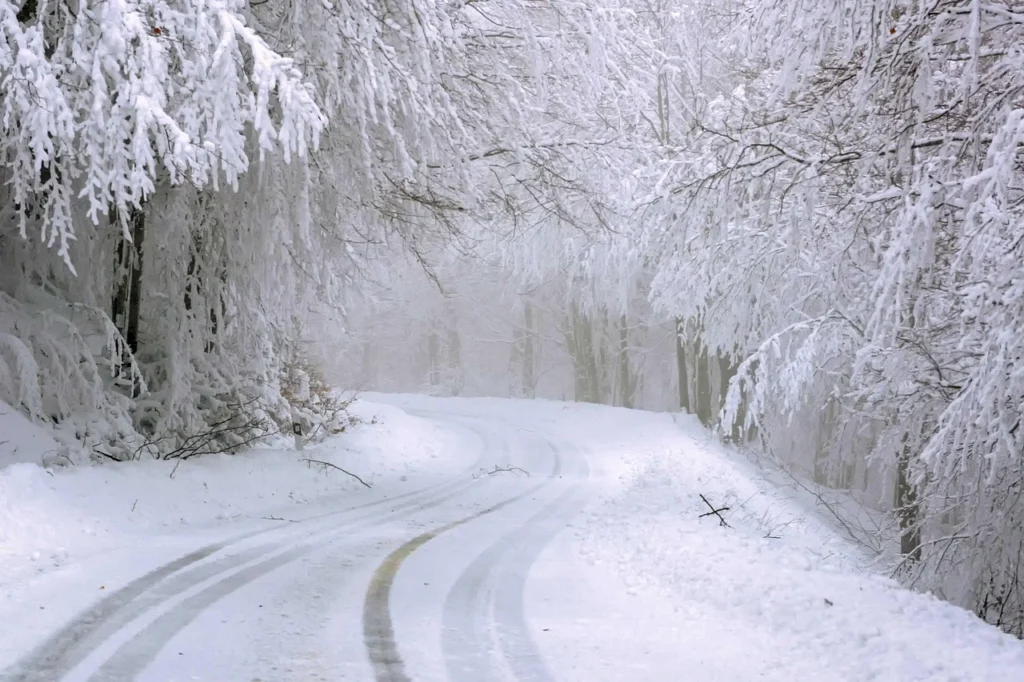
Ilkley Moor and the wider Wharfedale valley are genuinely beautiful to drive through for much of the year, but winter transforms these routes into something considerably more demanding, with exposed moorland roads catching wind, ice and occasional snow well before conditions in the sheltered valley towns below show any sign of trouble. Anyone regularly covering winter driving across Ilkley Moor and Wharfedale needs to understand exactly what these conditions do to a car, and how to prepare properly before setting off.
Why the moor is so much colder than the valley
Ilkley Moor rises to a genuinely significant elevation compared with the valley towns of Ilkley, Otley and Burley-in-Wharfedale that sit below it, and this elevation difference translates directly into meaningfully colder temperatures, particularly overnight and in the early morning when many commuters are on the road. It is entirely possible to leave Ilkley in conditions that feel merely cold and unremarkable, only to find the moor road covered in frost or even light snow within a matter of minutes of climbing.
Wind exposure adds a further complication, since the moor offers little shelter from prevailing winds compared with the more sheltered valley floor, and wind chill can make effective temperatures considerably lower than the raw air temperature alone would suggest. This combination of elevation and exposure means moor roads can develop ice even when air temperatures only dip slightly below freezing, particularly on bridges and exposed sections where cold air circulates most freely around the road surface.
Local drivers who commute regularly between the valley towns and locations across the moor, or who use moor roads as a route toward Keighley or further into the district, learn to treat any winter journey across this terrain with real caution, checking conditions specifically for the moor route rather than assuming valley conditions apply throughout.
Cold starts and the strain on your battery
Cold weather is genuinely hard on a car battery, since the chemical reactions that generate electrical current inside a battery slow down considerably as temperature drops, meaning a battery already showing some age or wear can struggle to provide enough current to start the engine on a genuinely cold morning, even if it has coped adequately through milder weather all year. This effect is amplified specifically around Ilkley Moor and Wharfedale, where overnight temperatures at higher elevations can drop noticeably lower than in more sheltered parts of the wider Bradford and Leeds district.
A battery that is already marginal, perhaps three or four years old and showing early signs of reduced capacity, often chooses precisely the coldest morning of the year to finally fail, leaving a driver stranded at exactly the moment starting the car matters most. This is not simply bad luck, but a predictable consequence of a battery already struggling being pushed past its remaining capacity by genuinely demanding cold weather conditions.
Having a battery’s condition properly checked before winter sets in, rather than waiting for it to fail on a cold morning, is a sensible precaution for anyone regularly starting a car in the colder conditions typical of higher elevation routes around Ilkley Moor. A proper charging system check assesses not just the battery itself but the alternator’s ability to keep it charged during normal driving.
Short journeys are particularly unhelpful for battery health in cold weather, since a short trip may not give the alternator enough time to fully recharge the battery after the extra demand of a cold start, gradually leaving the battery in a slightly depleted state that compounds over successive short winter journeys until it eventually struggles to start the car at all.
Ice and frost on exposed moorland sections
Black ice, a thin, often nearly invisible layer of ice on the road surface, is a particular hazard on exposed moorland roads where wind and temperature conditions favour its formation, especially on bridges, in dips where cold air pools, and on sections shaded from any winter sun for much of the day. Ilkley Moor’s exposed roads include several stretches that fit this description precisely, and local knowledge of exactly where these risk areas sit is genuinely valuable for anyone driving the route regularly through winter.
Reduced speed and increased following distance are the most important practical responses to potential ice, since black ice offers no visual warning in the way that visible frost or snow does, meaning the safest approach on any moorland route during cold weather is simply to drive as though ice might be present, adjusting speed and braking distance accordingly rather than waiting for visual confirmation that may never come until it is too late.
Checking tyre condition before winter, including tread depth and general condition, matters more here than on flatter, more sheltered routes, since tyre grip is the single most important factor in maintaining control on a potentially icy surface, and worn tyres offer meaningfully reduced grip exactly when it is most needed.
Fog and visibility challenges across the valley
Beyond ice specifically, Wharfedale and the surrounding moorland are prone to genuinely dense fog during winter months, particularly overnight and in the early morning, sometimes clearing from the valley floor while persisting stubbornly on higher ground, or occasionally the reverse pattern where valley fog sits below clearer conditions on the moor above. This variable pattern means visibility can change dramatically over a short distance in a way that catches unprepared drivers off guard.
Using appropriate lights, including fog lights where fitted and genuinely necessary rather than as a general precaution, reducing speed to match visibility, and increasing following distance are all standard, sensible responses to foggy conditions, but the specific challenge in this area is the sheer variability of conditions across a relatively short route, meaning a driver needs to remain alert to changing conditions throughout the journey rather than assuming conditions will remain consistent from start to finish.
Preparing your car specifically for this route
Given the specific challenges of regularly covering Ilkley Moor and Wharfedale through winter, certain preparations are particularly worthwhile. Keeping the fuel tank reasonably topped up rather than running consistently low reduces the risk of running out in the event of being delayed by conditions or an unexpected road closure, which is a genuine possibility on exposed moorland routes during severe weather.
Carrying a basic winter emergency kit, including a torch, a blanket, an ice scraper and de-icer, and perhaps some warm clothing, is a sensible precaution for anyone regularly using exposed moorland routes where a breakdown or being stuck behind an incident could mean a genuinely cold wait for assistance. This is worth taking more seriously on routes like these than on more sheltered, lower-lying local journeys where help and warmth are typically closer at hand.
Ensuring windscreen washer fluid is topped up with a proper winter mixture that will not freeze, and that wiper blades are in good condition, matters more here too, given how quickly a windscreen can become obscured by road spray, salt residue or frost on exposed sections of moorland road.
What a mechanic checks before winter for local drivers
A mechanic familiar with the specific demands of routes like Ilkley Moor and Wharfedale typically prioritises battery and charging system health given the particular strain of cold starts at elevation, tyre condition and tread depth given the ice risk on exposed sections, and coolant condition and antifreeze concentration, since a coolant mixture that is too weak can freeze in genuinely cold conditions, potentially causing serious engine damage.
A proactive winter check covering these specific areas, rather than a generic once-over, gives drivers who regularly cover this route genuine confidence heading into the colder months, rather than hoping nothing goes wrong on a route that can turn from manageable to genuinely hazardous within a short distance and a few hundred feet of elevation change.
- Moor elevation means colder temperatures than the valley towns below
- Cold weather significantly increases the strain on an ageing battery
- Black ice risk is highest on bridges and shaded, exposed sections
- Fog can vary dramatically between valley floor and higher ground
- Carry a basic winter kit for any regular exposed moorland route
Local commuter routes most affected by these conditions
Anyone commuting regularly between the Wharfedale towns and Bradford, Leeds or Keighley for work is likely to cross at least some section of higher, more exposed road at some point in their journey, whether that is the direct moor route or one of the connecting roads that climb briefly before dropping back down toward a valley town. These commuters, more than occasional leisure drivers, are the ones who most need to build proper winter awareness into their daily routine, since a five day working week means far more exposure to whatever conditions the moor throws up on any given morning.
Local knowledge of exactly where a specific commute route becomes most exposed, and checking weather and road condition reports specifically for that stretch rather than relying purely on general regional forecasts, genuinely helps regular commuters plan realistically, including allowing extra time on mornings where conditions look marginal rather than risking a rushed journey through potentially hazardous conditions.
Coolant and antifreeze protection in genuinely cold conditions
Beyond the battery, a car’s cooling system needs proper antifreeze protection to cope safely with the colder temperatures regularly experienced at elevation around Ilkley Moor. Coolant that has been topped up carelessly with plain water over time, or that has simply degraded through age, can have a significantly reduced freeze protection level compared with a correctly maintained system, and a coolant mixture that actually freezes inside the engine can cause serious, expensive damage as the expanding ice cracks components that were never designed to withstand that kind of internal pressure.
Checking antifreeze concentration is a quick, inexpensive test that any competent garage can perform, and it is particularly worth doing before winter for any car that regularly covers routes reaching the kind of elevation and exposure found around Ilkley Moor, where genuinely low temperatures are a realistic possibility rather than a rare exception.
Recovering safely if you do get caught out
Despite the best preparation, conditions on exposed moorland routes can occasionally change faster than expected, and knowing how to respond if you find yourself caught out helps keep a difficult situation from becoming a genuinely dangerous one. If a car begins sliding on an icy section, easing off the accelerator and avoiding sudden braking or steering movements, letting the car gradually regain grip, is the safest response rather than overcorrecting, which can make a slide considerably worse.
If a breakdown does occur on an exposed section of moor road, staying with the vehicle unless it is unsafe to do so, keeping hazard lights on, and using any emergency kit carried specifically for this kind of situation all help manage the wait for assistance more safely and comfortably than being caught unprepared. This is precisely why the preparation discussed throughout this guide matters so much for anyone who regularly relies on this particular route through the colder months of the year.
What happens if winter preparation is skipped
Setting off across Ilkley Moor in winter without having checked your car’s battery, tyres and general winter readiness leaves you genuinely exposed to a breakdown or an accident in a location that can be considerably colder, more exposed and further from immediate help than the valley towns either end of the route might suggest. A battery failure at the roadside on an exposed moorland section in freezing conditions is a considerably worse experience than the same failure on a sheltered residential street.
Taking the time to prepare properly before winter, rather than assuming your car will simply cope because it always has before, is a sensible precaution given how specifically demanding this particular route becomes once temperatures drop, and it is considerably cheaper and less stressful than dealing with a winter breakdown on the moor itself.
A pre-winter check specifically tailored to the demands of this route, covering battery, tyres, coolant and general roadworthiness, gives genuine peace of mind for anyone whose regular journeys take them across the exposed, elevated roads that make Ilkley Moor and Wharfedale so distinctive through the colder months.
Frequently asked questions
Why is Ilkley Moor colder than the valley towns below it?
The moor sits at a significantly higher elevation with far less shelter from wind, meaning temperatures and wind chill are both noticeably more severe than in the sheltered valley towns.
Why do car batteries struggle more in cold weather?
Cold temperatures slow the chemical reactions inside a battery that generate current, meaning a battery already showing some wear can struggle to start the engine on a genuinely cold morning.
Where is black ice most likely on moorland roads?
Bridges, dips where cold air pools, and sections shaded from winter sun for most of the day are the areas most prone to black ice forming on exposed moorland routes.
What should I carry in the car for winter moorland journeys?
A torch, blanket, ice scraper, de-icer and some warm clothing are sensible precautions given how exposed and potentially isolated a breakdown on moorland routes can be.
Should I get my battery checked before winter if I drive this route often?
Yes, a proper battery and charging system check before winter sets in is a sensible precaution, particularly for anyone regularly starting a car in the colder conditions typical of higher elevation routes.