

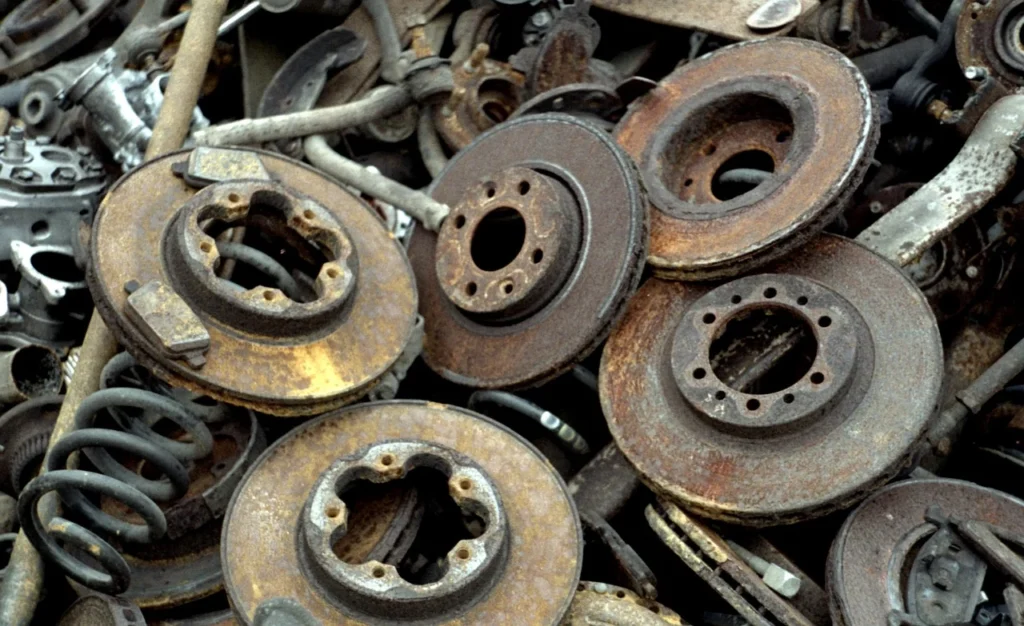
When a car reaches the end of its useful life, or simply is not worth keeping any longer, you generally have three realistic routes: scrapping it, selling it for parts, or part-exchanging it against a replacement. Each option suits different circumstances, and understanding the trade-offs between them helps you choose the one that genuinely works best for your situation, whether your priority is speed, convenience, or maximising total return.
Scrapping: speed and simplicity
Scrapping a car through a licensed operator is generally the fastest, simplest option available. You provide details of the vehicle, receive a quote, and the car is collected, typically within a day or two, with all the necessary DVLA paperwork handled on your behalf. This route suits cars with limited remaining value, non-running vehicles, or situations where you simply want the process dealt with quickly and completely without further involvement.
Selling for parts: maximising return
If your car has components that hold genuine individual value, such as a relatively new engine, an intact gearbox, premium alloy wheels, or specific parts in demand for a popular model, selling these separately can return considerably more total money than scrapping the whole car in one transaction. This route requires more time and effort, including identifying buyers for each component, safely removing parts if you are handling this yourself, and managing several separate sales rather than a single straightforward transaction.
Part-exchange: convenience against a replacement
Part-exchange involves trading in your current car against the price of a replacement from a dealer, reducing the amount you need to pay for your next vehicle in a single, convenient transaction. This route works well if you have already decided on your next car and value the simplicity of handling both transactions together. However, part-exchange valuations are typically lower than what you could achieve selling privately, for parts, or in some cases even through scrapping, since the dealer needs to build in their own margin for reselling or disposing of your old car.
Comparing typical returns across all three routes
As a general pattern, selling individual parts tends to return the most money overall for cars with genuinely valuable components, scrapping returns a fair, straightforward amount reflecting current metal prices and any easily removable parts value, and part-exchange typically returns the least in pure cash terms but offers unmatched convenience if you are replacing the car anyway. The right choice depends heavily on your specific car’s condition, how much time you have available, and how much you value convenience over maximising the final return.
When part-exchange makes the most sense
Part-exchange suits buyers who have already found their next car and want to complete everything in one visit, without the hassle of separately arranging to sell or scrap their old vehicle. It also suits cars that are still reasonably functional and presentable, since dealers offer their best part-exchange valuations for cars in decent, driveable condition rather than ones with significant faults.
When scrapping makes the most sense
Scrapping is the clear choice for cars that are no longer roadworthy, non-running, or simply not worth the effort of a more involved sale process. It is also the right choice if speed matters more than squeezing out the last possible pound of value, since a reputable scrap service can typically complete the whole process within days from initial quote to collection and paperwork confirmation.
When selling for parts makes the most sense
This route makes the most sense when a car has one or two genuinely valuable components that would otherwise be scrapped along with everything else for a fraction of their individual worth. It requires patience and some effort, but for the right car it can meaningfully increase your total return compared to either scrapping or part-exchanging the vehicle as a whole.
Getting the paperwork right whichever route you choose
Regardless of which option you choose, make sure you have the V5C logbook ready, remove all personal belongings from the car, and retain any personalised number plates through the DVLA beforehand if you wish to keep them. For scrapping specifically, confirm the operator is a licensed Authorised Treatment Facility and obtain a Certificate of Destruction once the process is complete, protecting you from any future liability associated with the vehicle.
Making the right choice for your circumstances
There is no single universally correct answer among these three options, since the right choice depends entirely on your car’s specific condition, how much time and effort you are willing to invest, and whether you are simultaneously replacing the vehicle. Take a few minutes to honestly assess your priorities and your car’s realistic condition before deciding, and do not be afraid to get quotes across more than one route to properly compare your options before committing.
Get a fair, fast quote from us today
If scrapping feels like the right choice for your situation, we offer fast, fair quotes and handle collection and all the necessary paperwork on your behalf, making the whole process as simple and stress free as possible. Get in touch today to find out exactly what your unwanted car could be worth.
A worked comparison example
Imagine an eight-year-old car with a failed gearbox, worth around eight hundred pounds if fully working but currently unroadworthy. A scrap quote might come in around two hundred pounds based on weight and easily salvaged parts. Selling the engine, catalytic converter and a set of good alloy wheels individually might realistically total four hundred pounds, but would take several weeks of listing, negotiating and arranging collection with different buyers. Part-exchanging the non-running car against a replacement at a dealer might only be offered at around one hundred pounds, reflecting the dealer’s limited interest in a car needing significant work before resale.
This example shows why selling for parts often wins on pure financial return, scrapping wins on speed and simplicity, and part-exchange wins only on overall convenience if you are already replacing the car through that same dealer.
Hidden costs to factor into your comparison
Beyond the headline quote or valuation, consider the hidden costs of each route. Selling for parts may involve storage space while items sell, the time cost of managing multiple buyers and possibly some minor removal or transport costs. Scrapping is largely free of hidden costs beyond your own time providing details and arranging collection. Part-exchange has no direct hidden costs but represents an opportunity cost if a genuinely higher private sale price was achievable elsewhere with a bit more effort on your part.
Weighing these hidden costs against the headline figures gives a much more accurate picture of which route genuinely delivers the best overall outcome for your specific circumstances and available time.
What reputable operators look like
Whichever route you choose, work only with reputable, properly licensed operators. For scrapping, this means confirming Authorised Treatment Facility status and checking for genuine online reviews. For parts sales, use established marketplaces with buyer protection where possible. For part-exchange, get your independent valuation from a source like a trusted online tool before visiting the dealer, so you know whether their offer is genuinely fair or worth negotiating further.
Taking a little time to compare properly nearly always pays off in the end.
We are happy to give an honest, no pressure quote whenever you are ready.
Every car and situation is a little different, so compare based on your own priorities.
Speed, convenience and total return rarely align perfectly, so decide what matters most to you.
Contact us today to find out what your car could be worth through our scrap service.
We handle collection and paperwork so you do not have to worry about the details.
Thank you for reading, and good luck with whichever route you choose.
Our team is always available to answer any questions you have along the way.
We aim to make the whole process as fair and transparent as possible.
Get in touch whenever suits you, with no obligation attached.
How to get an accurate part-exchange valuation
Before visiting a dealer for part-exchange, use an independent online valuation tool to get a realistic sense of your car’s worth based on similar cars currently listed for sale. Bring any service history and MOT certificates along, and be prepared to negotiate, since initial part-exchange offers are sometimes set deliberately low with room built in for negotiation. If a dealer’s offer seems significantly below your independent valuation with no clear explanation for the gap, do not be afraid to walk away and explore scrapping or a private sale instead, since dealers ultimately want your custom on the replacement car and often have some flexibility on the trade-in figure if pushed.
Remember that the part-exchange figure and the price you pay for your replacement car are connected, so always look at the overall deal rather than focusing purely on the trade-in valuation in isolation.
Timing your decision around market conditions
Scrap metal prices fluctuate over time based on broader market conditions, meaning the value of scrapping a car can vary somewhat depending on when you do it. If your car is not urgently unroadworthy and you have some flexibility on timing, it can be worth checking current scrap prices before committing, though for most owners the convenience of dealing with an unwanted car promptly outweighs trying to time the market perfectly for a relatively modest difference in value.
A simple decision checklist
- Get a quote for scrapping first as a reliable baseline figure.
- Assess whether specific components hold enough individual value to justify selling for parts.
- Get an independent valuation before any part-exchange negotiation with a dealer.
- Confirm any operator you use is properly licensed and reputable.
- Keep all relevant paperwork, including the V5C and any destruction or sale certificates.
Working through this checklist takes only a few minutes but ensures you make a well informed decision rather than simply accepting the first offer that comes your way.
Final thoughts on choosing the right route
All three options are perfectly legitimate ways to deal with an unwanted car, and the right choice ultimately comes down to your own priorities around time, effort and total return. Comparing quotes across at least two of these routes before committing gives you real confidence that you are making a sensible, well informed decision rather than simply taking the path of least resistance without proper consideration.
Whatever you decide, taking a slightly organised approach rather than rushing into the first available option nearly always leaves owners feeling more satisfied with the outcome once the process is complete and the car has moved on.
If speed and simplicity matter most to you, our Scrap My Car service offers a fast, fair, no obligation quote with collection and paperwork fully handled on your behalf.
Get in touch today and let us help you turn your unwanted car into cash quickly and without hassle, whatever condition it happens to be in currently.
We pride ourselves on transparent, fair pricing and a straightforward, friendly process from your first enquiry through to final collection and paperwork confirmation.
Reach out whenever you are ready and we will talk you through your options honestly, even if that means recommending a different route entirely if it genuinely suits your car and circumstances better than our own service.
Thank you for taking the time to compare your options carefully, and we wish you a smooth, fair outcome whichever route you decide to take with your unwanted vehicle.
We look forward to hearing from you and helping you close this chapter smoothly, so you can focus your attention on whatever comes next for your driving needs.
One last practical tip
Take a few clear photos of your car before it is collected or handed over, capturing its overall condition and any notable damage. This simple step provides useful evidence in the unlikely event of any dispute later, and takes only a couple of minutes to do properly before the transaction is finalised and the car leaves your possession for good.
It is a small habit that costs nothing but offers genuine peace of mind.
\n
\n
Frequently asked questions
Which pays more, scrapping or selling for parts?
Selling for parts individually usually returns more total money, but it takes significantly more time and effort compared to a single, quick scrap car payment for the whole vehicle.
Is part-exchange worth it compared to scrapping?
Part-exchange is convenient and reduces the price of your next car in one transaction, but it typically offers a lower valuation than scrapping a genuinely end-of-life car through a specialist service.
Can I part-exchange a car that does not run?
Some dealers will accept non-running cars against a nominal amount, but most part-exchange offers are far more competitive for cars that are still driveable and roadworthy.
How quickly can I scrap an unwanted car?
A reputable scrap car service can often provide a quote and arrange collection within a day or two, making it one of the fastest ways to deal with an unwanted vehicle.
Do I need paperwork to scrap or part-exchange my car?
Yes, you need the V5C logbook for either route, and it is worth also having service history and any warranty documents ready, even for a car being scrapped.