

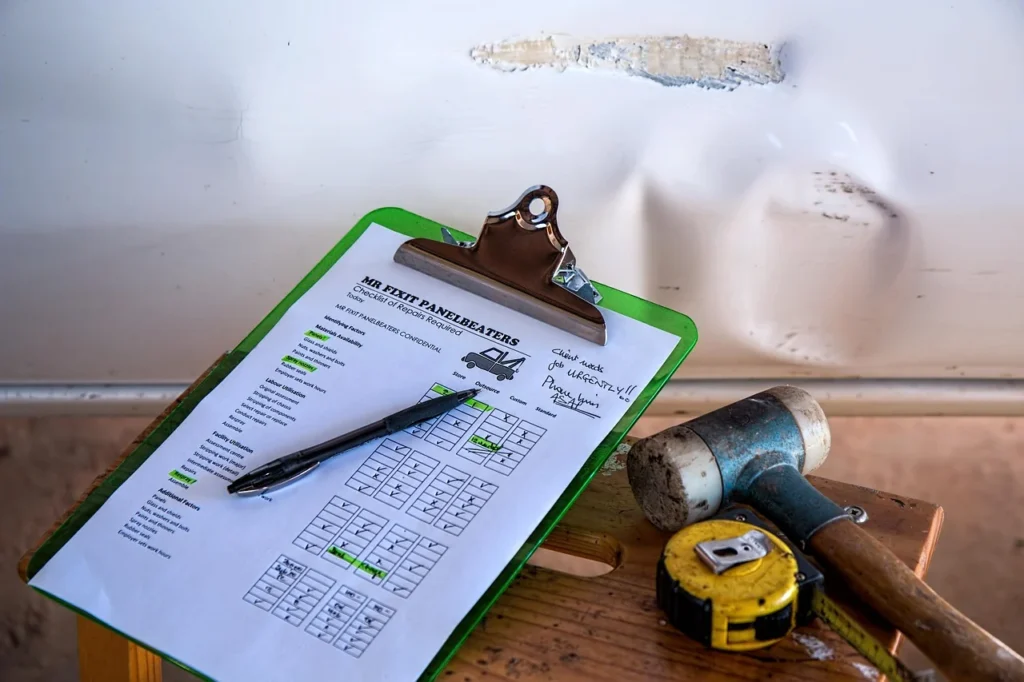
Buying a used car involves handing over a significant amount of money for a vehicle whose true condition and history are not always obvious from a test drive alone. A proper checklist, covering documented history, mileage consistency, and a genuine physical inspection, turns what can feel like a gamble into a considerably more informed decision.
Starting with the vehicle’s documented history
Before viewing a car in person, it’s worth checking its documented history using the registration number. Gov.uk’s free MOT history checker shows every test result for the car’s life, including mileage recorded at each test and any advisories or fails noted along the way. This gives an early, free indication of how the car has been maintained and whether the story being told by the seller matches the official record.
Why mileage consistency matters so much
Comparing the mileage figures recorded at each MOT test against the mileage currently showing on the car is one of the simplest and most effective ways to spot a potential problem. A mileage reading that has gone backwards, or that jumps unusually between tests, is a serious red flag worth investigating fully before proceeding, since it can indicate the odometer has been tampered with, something that remains a genuine issue in the used car market despite modern digital odometers being harder to alter than older mechanical ones.
Checking for outstanding finance and write-off history
Beyond the free MOT history, a dedicated paid vehicle history check adds crucial detail that isn’t publicly available otherwise, including whether the car has outstanding finance attached to it, whether it has previously been recorded as stolen, and whether it has been written off by an insurer following an accident. Buying a car with outstanding finance can leave a buyer legally exposed, since the finance company can, in some circumstances, reclaim the vehicle even from an innocent buyer who wasn’t aware of the debt.
What a pre-purchase inspection actually covers
A proper pre-purchase inspection goes considerably further than a seller’s own description or a quick visual look during a viewing. It typically covers the car raised on a ramp, checking for structural damage, corrosion, fluid leaks, and the condition of brakes, suspension and steering. It includes a diagnostic scan for stored fault codes, an assessment of tyre condition and remaining tread, and a check of all electrical systems, from lights to infotainment, to confirm everything works as it should.
- Structural and bodywork inspection for damage, corrosion or signs of previous repair
- Brakes, suspension and steering checked with the car raised
- A diagnostic scan for stored fault codes across the car’s systems
- Tyre condition, tread depth and evidence of uneven wear
- Fluid levels and condition, including engine oil and coolant
- Full test of lights, electrics and any driver assistance features fitted
Reading between the lines of a seller’s description
Vague or overly positive language in a listing, such as “drives lovely, no known issues,” is worth treating as a starting point for questions rather than a guarantee of condition. Asking direct, specific questions, including exactly why the car is being sold, whether it’s ever been in an accident, and whether any warning lights have ever appeared, gives a much clearer picture than relying purely on the listing’s tone, and a seller’s response, both what they say and how comfortable they seem answering, is genuinely informative in itself.
Test driving with a purpose
A test drive is most useful when approached with specific things to check, rather than simply driving around the block. Listening for unusual noises, checking the car pulls evenly under braking, testing the steering for play, and paying attention to how the car performs at both low and higher speeds all give useful information a static inspection alone can’t provide. It’s also worth driving on a variety of road surfaces if possible, since some suspension or steering issues only become apparent on rougher ground.
Why service history matters beyond the MOT record
A full service history, ideally with stamped or digital records from a recognised garage, gives insight the MOT record alone doesn’t capture, since routine servicing covers items like oil changes, brake fluid replacement and cambelt or timing chain maintenance that aren’t part of the annual test. A car with a complete, consistent service history has generally been looked after more attentively than one with gaps or an entirely absent service record, and this is worth factoring into both your decision and your negotiating position.
Understanding the private sale versus dealer difference
Buying privately can offer a better price but comes with fewer legal protections than buying from a dealer, who is bound by consumer protection law to sell a car that’s of satisfactory quality and as described. This doesn’t mean an inspection is unnecessary when buying from a dealer, since preparation standards vary considerably, but it does mean you have less recourse if something is discovered after the fact when buying privately, making the pre-purchase inspection even more important in that scenario.
Red flags worth taking seriously
Certain signs during a viewing are worth treating as genuine warnings rather than dismissed as coincidence. A seller unwilling to allow an independent inspection, paperwork that doesn’t match the car in front of you, a price significantly below market value for no clear reason, or pressure to complete the purchase quickly without time to properly check the car are all worth pausing over. None of these guarantee a problem on their own, but together they’re exactly the pattern worth walking away from if something doesn’t add up.
Negotiating based on what an inspection finds
A pre-purchase inspection often reveals items worth factoring into the price, whether that’s tyres approaching the end of their life, an advisory that’s likely to need attention soon, or a minor fault that would cost money to put right. Having this detail in hand gives you a genuinely stronger negotiating position than relying on gut feeling alone, and a seller who’s genuinely being reasonable will usually accept a fair adjustment based on documented findings rather than a vague, unsubstantiated request for a lower price.
Why the inspection cost is worth it relative to the purchase price
The cost of a proper pre-purchase inspection is small relative to the overall cost of buying a car, and considerably smaller than the potential cost of discovering a serious, undisclosed problem after the purchase has already gone through. Thinking of the inspection as a form of insurance against a costly mistake, rather than an optional extra, is the right way to frame the decision, particularly for a private sale with limited legal recourse if something turns out to be wrong.
Getting your used car checked before you commit
Combining a documented history check, careful attention to mileage consistency, and a proper pre-purchase inspection gives you a genuinely comprehensive picture before committing to a used car purchase. A pre-purchase vehicle inspection covers exactly this kind of thorough assessment, giving you either the confidence to proceed or the specific detail needed to negotiate fairly, or in some cases walk away entirely from a car that isn’t what it first appeared to be.
What to do once you’ve bought the car
Once a purchase has gone through, it’s worth keeping the pre-purchase inspection report alongside your other paperwork, since it establishes a documented baseline of the car’s condition at the point you took ownership. This is useful both for your own future reference and, should you ever need it, as evidence of the car’s condition at purchase if a dispute were ever to arise about a fault that was or wasn’t present at the time of sale.
How to approach viewing multiple cars efficiently
If you’re comparing several used cars before deciding, it helps to apply the same checklist consistently to each one rather than judging each purely on gut feeling in the moment. Checking MOT history online before you even arrange a viewing is a quick way to filter out cars with concerning patterns early, saving you the time of travelling to view a vehicle that a five-minute online check would have flagged as worth avoiding.
Why documentation matching matters
Beyond checking the car’s history online, it’s worth confirming that the physical documentation in front of you, including the V5C registration document, matches the vehicle and seller in front of you. The name and address on the V5C should match the seller, and the vehicle identification number on the document should match the number stamped on the car itself, since a mismatch here can indicate anything from a simple administrative delay to something more concerning worth investigating before proceeding.
What a genuine seller expects from a careful buyer
A seller with nothing to hide and a genuinely well-maintained car generally welcomes a careful, thorough buyer, since it reflects well on the car and speeds up a sale to someone who’s clearly serious. Being upfront about wanting a full history check and pre-purchase inspection, rather than feeling awkward about asking, is entirely normal and expected in a used car transaction, and any seller who reacts negatively to a reasonable request is giving you useful information in itself.
Understanding warranty options on a used car
Some used cars, particularly from dealers, come with a warranty covering a limited period after purchase, and it’s worth understanding exactly what’s covered, for how long, and under what conditions before relying on it as a safety net. A warranty doesn’t replace the value of a proper pre-purchase inspection, since it typically won’t cover pre-existing wear items like tyres or brakes, but it can provide useful additional protection against a genuine mechanical failure shortly after purchase.
Bringing it all together as a buyer
The combination of a documented history check, a mileage consistency review, a proper pre-purchase inspection, and a purposeful test drive gives you genuinely comprehensive coverage before committing to a used car purchase. Skipping any one of these steps leaves a gap that a seller, whether deliberately or simply through their own limited awareness of the car’s true condition, could easily leave you unaware of until after the money has already changed hands.
Timing your checks around the transaction
It’s worth carrying out the documented history checks before arranging a viewing, saving the physical inspection and test drive for once a car has already passed that initial filter. This staged approach avoids wasting time travelling to view cars that a quick online check would have ruled out, while reserving the more involved pre-purchase inspection for a car that’s genuinely worth the additional time and cost of a proper assessment.
What to do if the inspection reveals a problem
If a pre-purchase inspection uncovers a genuine issue, you have several reasonable options depending on severity: walking away entirely if the problem is significant, negotiating a price reduction that reflects the cost of the necessary repair, or asking the seller to fix the issue themselves before the sale completes. Having a written report from an independent inspection gives you a concrete, objective basis for whichever route you choose, rather than relying on a vague verbal description of what was found.
Common mistakes buyers make without a checklist
Without a structured approach, it’s easy for buyers to be swayed by how a car looks or how it makes them feel during a brief viewing, overlooking the less immediately visible checks that matter just as much, if not more. Rushing a decision because a seller has created a sense of urgency, skipping the history check because a car “looks fine,” or assuming a dealer has already done all the necessary checks are among the most common and avoidable mistakes buyers make.
Final thoughts on approaching a used car purchase
Buying a used car well is largely a matter of process rather than luck, and following a consistent checklist across every car you view, rather than only being thorough with the one you eventually decide to buy, protects you throughout the entire search rather than only at the final decision point. Building this habit into how you approach every viewing puts you in a far stronger position than a buyer relying purely on instinct and a brief test drive.
Frequently asked questions
What is the single most important check before buying a used car?
An independent pre-purchase inspection is arguably the most valuable single step, since it combines a physical assessment with the documented history checks a buyer cannot do alone.
Is checking MOT history enough on its own?
It is a useful starting point but not enough alone, since it only shows what was flagged at each annual test rather than the car's current condition.
How can I check if a used car has outstanding finance?
A dedicated vehicle history check, usually a paid service, checks for outstanding finance, previous write-off status and whether the mileage looks consistent.
Should I still get an inspection on a car sold by a dealer?
Yes, dealers vary considerably in how thoroughly they prepare a car for sale, and an independent inspection protects you regardless of where you are buying from.
What if the seller refuses a pre-purchase inspection?
A genuine seller with nothing to hide will normally accommodate a reasonable inspection request, and reluctance is itself a meaningful warning sign worth taking seriously.