

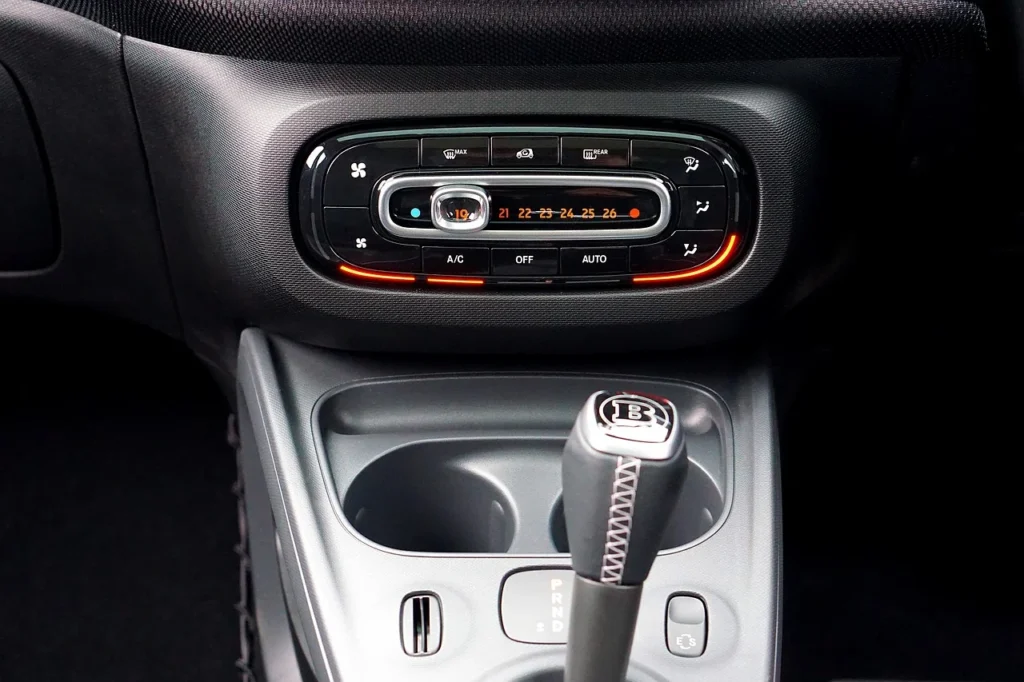
A car heater blowing cold air, even with the temperature dial turned all the way up, is usually down to the heater control valve. This small valve controls the flow of hot engine coolant into the heater matrix, the small radiator behind the dashboard that actually warms the air. If it’s stuck shut, or not being told to open properly, hot coolant never reaches the matrix and the air coming through the vents stays cold regardless of how the dial is set.
It’s a different fault to a general cooling system problem, and one that’s easy to confuse at first. The engine itself might be running at a completely normal temperature, so there’s no warning light or overheating to give the game away. The only symptom is a heater that simply won’t warm up. That’s actually a useful diagnostic clue: if the temperature gauge on the dashboard reads normal but the cabin stays cold, the fault is almost certainly in the heater circuit itself rather than anywhere in the wider cooling system.
What’s Actually Causing It
A worn or stuck heater control valve is the most common cause, particularly on cars that haven’t had the heating used much over a mild autumn before the cold weather properly arrives. These valves can seize in the closed position after sitting unused, or the vacuum or electrical actuator that operates them can fail. Low coolant level is another frequent culprit, since air pockets in the system can stop coolant circulating through the heater matrix properly even though the engine itself isn’t overheating.
A blocked or partially blocked heater matrix is also worth ruling out, especially on older cars where sediment or old coolant sludge has built up inside the narrow channels over years of use. Less commonly, a faulty thermostat stuck open can stop the engine reaching the temperature needed to produce meaningful heat in the first place, which shows up as a heater that only ever blows lukewarm rather than properly cold. A matrix that’s partially blocked rather than fully blocked can produce a strange in-between symptom too, where the heater blows warm air on one side of the car and cold on the other, or only warms up properly at higher engine revs when coolant is being pushed through more forcefully.
Is It Safe to Keep Driving?
A heater blowing cold air isn’t dangerous to the engine or the car mechanically, and plenty of drivers put up with it for weeks before booking anything in, but it does matter for visibility. The heater plays a big role in clearing condensation from the windscreen, so a cold air fault often shows up alongside a windscreen that mists up and stays misted for longer than usual, particularly on damp mornings. That’s a genuine safety concern rather than just a comfort one, especially heading into winter.
If the cause turns out to be low coolant, that’s worth checking sooner rather than later regardless of the heater symptom, since persistently low coolant can eventually lead to overheating even if it hasn’t yet. It’s also worth topping up or checking coolant level yourself as a first step, since it’s a five minute check that costs nothing and sometimes resolves the issue immediately if an air pocket was the whole problem.
What a Mechanic Checks
- Coolant level and condition, checking for air pockets or signs of a leak elsewhere in the system
- Heater control valve operation, testing whether it opens and closes as instructed
- Heater matrix for blockages, often checked by feeling for temperature difference between the two pipes feeding it
- Thermostat operation, confirming the engine reaches and holds its normal running temperature
- Blend door and actuator function on cars with electronic climate control, which direct air through the hot or cold side of the system
When to Book vs When It Can Wait
If the heater has gone from warm to lukewarm gradually, it’s worth booking in before winter properly sets in and demisting becomes a daily necessity. If it’s gone from warm to stone cold suddenly, or you’ve noticed the coolant level dropping, treat it as more urgent, since a sudden change often points to a valve failure or a developing coolant issue rather than gradual wear.
There’s no immediate danger in driving with a cold heater on a mild day, but once temperatures drop and windscreens start misting up regularly, it becomes a visibility issue that’s genuinely worth sorting promptly. It’s a repair worth booking before the first proper cold snap rather than during it, when demand for heating repairs tends to spike and everyone’s trying to book the same jobs at once. The RAC has drive advice covering common heating system faults if you want more background before booking anything in.
How the heater matrix and control valve interact with the cooling system
The heater matrix is essentially a small radiator hidden behind the dashboard, plumbed into the same cooling circuit that keeps the engine at its normal running temperature. Hot coolant flows through it, and a fan blows cabin air across its surface, picking up heat before reaching the vents. Because the matrix shares the same coolant as the engine, any fault in the wider cooling system, low coolant, a failing water pump, air trapped in the system, can affect heater performance even while the engine itself runs at a perfectly normal temperature. This is why heater faults sometimes get misdiagnosed as a heater-specific problem when the real cause sits elsewhere in the cooling circuit.
Air pockets, bleeding the system and why it matters
Cooling systems need to be properly bled of air after any work that involves draining or topping up coolant, since a trapped air pocket can sit in the highest point of the system, often right where the heater matrix connects in, and block coolant flow to it specifically even though the rest of the engine circulates normally. A car that’s recently had coolant topped up, a hose replaced, or any cooling system work carried out, and has since developed a cold heater, should have the bleeding process checked before assuming a bigger fault, since an unbled air pocket is a genuinely common and easily fixed cause.
Blend doors and dual-zone climate control faults
On cars with electronic climate control, a blend door inside the dashboard physically moves to mix hot air from the heater matrix with cooler outside air, controlling the exact temperature you’ve selected. If the actuator that moves this door fails, or the door itself jams, the system can get stuck delivering cold air regardless of what temperature you dial in, even with a perfectly healthy heater matrix and control valve behind it. This fault often comes with a faint motor noise from behind the dashboard as the actuator repeatedly tries and fails to move the door, which is a useful clue for a mechanic during diagnosis.
Why heater faults matter more in West Yorkshire winters
A heater that’s merely lukewarm in September becomes a genuine daily frustration by December in Bradford and the surrounding areas, where mornings regularly sit at or below freezing for weeks at a stretch through winter. Beyond comfort, a weak heater struggles to clear a frosted or misted windscreen quickly, which matters directly for visibility on cold, dark commutes. Getting a heater fault looked at in autumn, before the cold properly sets in, avoids dealing with both the discomfort and the demisting problem at the worst time of year.
Why heater faults are sometimes mistaken for engine problems
Because the heater matrix shares coolant with the engine, a heater that’s blowing cold can occasionally get mistaken for a sign of a bigger cooling system problem, when in fact the engine itself is running at a completely normal temperature and the fault is contained entirely within the heater circuit. Checking the temperature gauge on the dashboard is a useful first step for exactly this reason: if it reads normal while the heater blows cold, that’s a strong pointer toward the control valve, the matrix, or an air pocket, rather than anything more serious happening with the engine’s own cooling.
How a mechanic tests the heater control valve specifically
Testing the control valve properly usually involves checking whether it physically opens and closes when commanded, either by an electrical signal or a vacuum line depending on the car, while the engine is warm and coolant is circulating. A valve that’s stuck shut will show no temperature change at the matrix even when commanded to open, while a valve that’s stuck open, less common but possible, means the heater blows warm constantly regardless of the temperature dial setting. Confirming which failure mode is present before ordering a replacement part avoids paying for the wrong component.
What to check yourself before booking a repair
A five minute visual check under the bonnet, with the engine cold, can rule out the simplest cause immediately. Look at the coolant level in the expansion tank against its minimum and maximum markings, and top up with the correct coolant type if it’s low, never plain water on its own for anything beyond a genuine emergency top-up. If the level has dropped noticeably since it was last checked, that’s worth mentioning specifically when booking a repair, since a drop in coolant level points toward a leak somewhere in the system that needs finding, rather than just a heater-specific fault.
What happens if a cold heater goes unfixed
A heater that never gets addressed tends to become more of a daily irritation than a mechanical risk, since the underlying fault, whether a stuck valve or a blocked matrix, rarely gets worse on its own the way a leak or a wearing component might. The bigger practical cost is the ongoing demisting problem through autumn and winter, scraping ice and wiping condensation by hand on cold mornings rather than letting the car’s own systems clear the glass properly, which adds a genuine few minutes of hassle to every cold start.
If low coolant turns out to be the actual cause, that’s worth resolving regardless of the heater symptom, since a system that’s losing coolant somewhere will eventually cause a bigger problem than a cold heater if the leak itself isn’t found and fixed.
Booking a heater repair around your schedule
A heater control valve replacement or a proper coolant system bleed can usually be carried out at your home or workplace without needing the car booked into a workshop for the day, since neither job typically requires a ramp or heavy equipment. That makes it realistic to get sorted before a cold snap arrives, at a time that works around your normal routine rather than losing a day waiting at a garage.
On cars with a separate auxiliary heater or heated seats, it’s worth checking those systems too if the main heater is cold, since a shared electrical fault occasionally affects more than one warming system at once, and mentioning this to a mechanic can help narrow down whether the fault is isolated to the heater matrix circuit alone.
A properly working heater also reduces fatigue on long winter drives, since a cold cabin forces you to divide attention between the road and staying warm, which is a genuine, if easily overlooked, safety consideration on longer motorway journeys.
Older vehicles without electronic climate control tend to have simpler heater systems overall, fewer sensors and actuators to fail, but the manual cable-operated valves used on many of them can seize or stick just as readily as an electronic one after years of infrequent use, so age alone doesn’t guarantee a simpler fix.
If you’ve recently had any coolant hose or radiator work done, a cold heater appearing shortly afterwards is worth mentioning to whoever carried out that work first, since an improperly bled system after a repair is a far simpler explanation than a fresh, unrelated fault developing at exactly the same time by coincidence.
SSK Mechanics carries out heater control valve replacements at your home or workplace across Bradford and West Yorkshire, getting proper heat and clear demisting back without a trip to a garage.
Frequently asked questions
Why is my heater blowing cold air even though the engine runs at normal temperature?
This points to the heater control valve rather than a wider cooling problem. The valve isn't letting hot coolant reach the heater matrix, so the engine stays fine but the cabin stays cold.
Could low coolant cause a cold heater?
Yes, air pockets from low coolant can stop it circulating through the heater matrix properly, even without the engine overheating.
Is it safe to drive with no heater?
Mechanically yes, but it can slow down demisting the windscreen, which becomes a real visibility issue in damp or cold weather.