

Winter puts more demand on a car than any other season, and a handful of proactive checks in autumn can be the difference between a reliable winter and being stranded on a cold morning. This checklist covers the areas most affected by cold weather, giving you a clear, practical starting point before the temperature really drops.
Why winter is genuinely harder on a car
Cold temperatures affect nearly every system on a car, from reduced battery performance to thicker, slower-flowing engine oil, and combined with wetter, sometimes icy road surfaces, the margin for error narrows considerably compared to a mild summer day. Preparing properly in advance, rather than discovering a problem on the first genuinely cold morning, avoids the stress and inconvenience of dealing with a car that won’t start or doesn’t feel safe to drive.
Screen wash: getting the concentration right
A diluted summer screen wash mix can freeze solid in the reservoir or in the pipes during a hard frost, leaving you unable to clear road grime from the windscreen exactly when visibility matters most. Switching to a stronger, winter-specific concentration from early autumn protects against this, and it’s worth checking the level regularly through winter, since screen wash gets used considerably faster during the season’s wetter, dirtier driving conditions.
Antifreeze and coolant: protecting the engine from frost
Antifreeze isn’t just for keeping the engine cool in summer, its primary winter role is preventing the coolant in the engine from freezing, which can cause serious and expensive damage to the engine block itself. Checking the coolant reservoir level and the antifreeze concentration before winter properly sets in is one of the more important, if less visible, items on any winter checklist.
Battery health: the most common winter failure point
Cold weather is one of the single most common triggers for battery failure, since low temperatures reduce a battery’s ability to deliver power at exactly the moment the engine needs more effort to turn over in the cold. A battery that’s been gradually weakening through the year, without giving any obvious sign during milder weather, can fail outright on the first genuinely cold morning. Having the battery tested before winter, rather than waiting to find out the hard way, is one of the most valuable single items on this entire checklist.
- Have the battery load-tested rather than just visually inspected
- Check battery terminals for corrosion and ensure connections are secure
- Consider battery age, since most batteries have a realistic lifespan of around five years
- Be aware that short journeys in winter don’t fully recharge a battery
Tyres: grip matters most exactly when conditions are worst
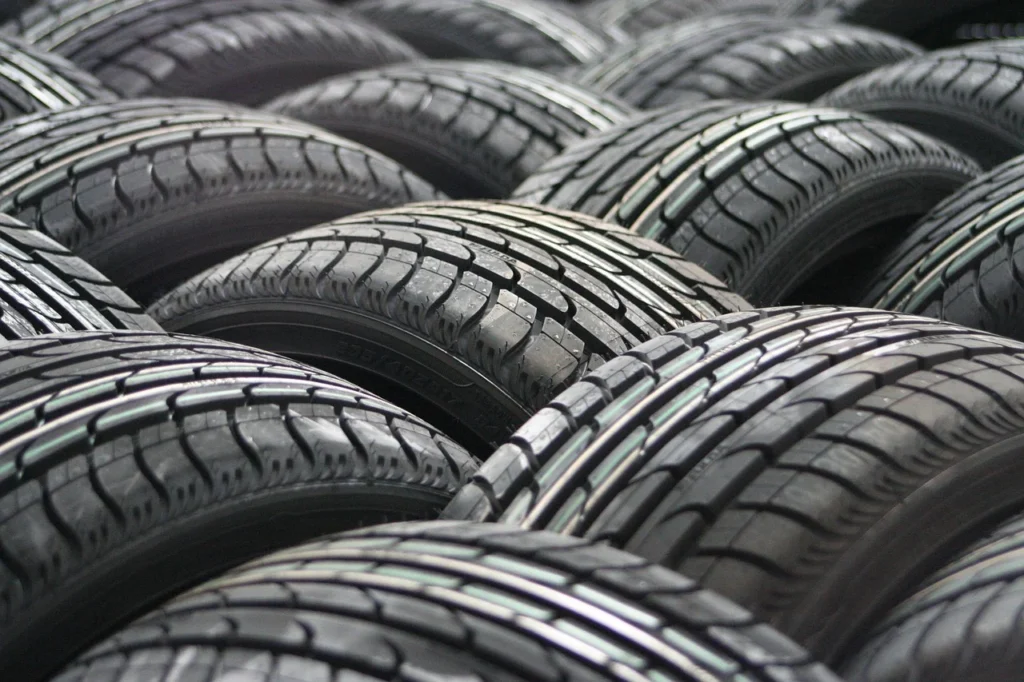
Tyre tread depth and condition become considerably more important in winter, since wet, icy or snow-affected roads demand more grip than dry summer tarmac, and worn tread reduces that grip precisely when you need it most. Checking tread depth across all four tyres, along with tyre pressure, which can drop in colder temperatures as air contracts, are both worth doing before winter properly arrives rather than during the first icy commute.
Considering winter tyres for genuinely difficult conditions
While not a legal requirement across most of the UK, winter tyres, designed with a softer compound and tread pattern optimised for cold and wet conditions, offer a genuine performance benefit below around seven degrees, when standard tyres start to lose grip even on dry roads. For anyone regularly driving in more exposed or hillier parts of West Yorkshire during winter, it’s worth at least considering, even if it’s not necessary for every driver.
Lights: shorter days demand reliable illumination
Winter’s shorter daylight hours mean lights get used considerably more than during summer months, both for your own visibility and for other road users to see you clearly. Checking every bulb, including less obvious ones like fog lights and number plate illumination, before winter’s darker mornings and evenings arrive is a simple but important part of the checklist.
Wiper blades: often overlooked until they fail
Wiper blades degrade gradually through the year, and a blade that’s been fine through a dry summer can prove inadequate once winter’s combination of rain, road spray and grime arrives in force. Checking for smearing, streaking or juddering, and replacing blades that show any of these signs before winter, keeps visibility clear exactly when weather conditions already make driving more challenging.
Preparing an emergency kit for winter journeys
Beyond checks to the car itself, it’s worth keeping a basic winter emergency kit in the boot: a torch, warm blankets, an ice scraper and de-icer, some food and water, and a fully charged phone charger. None of these prevent a breakdown, but they make a genuine difference to comfort and safety if you do find yourself stuck in cold conditions while help is on the way.
Fuel level: a simple habit worth adopting for winter
Keeping the fuel tank at least a quarter full through winter, rather than routinely running it low, protects against being caught out if you’re delayed by traffic, diversions or weather-related disruption, and also reduces the risk of moisture forming in the fuel system, which is more of a concern with a near-empty tank in cold conditions.
Getting ahead of winter with a proper check
Running through this checklist yourself catches many of the obvious issues, but a proper professional check, particularly of battery health and antifreeze concentration, gives genuine confidence heading into the coldest months. Booking a battery replacement before a marginal battery fails outright avoids the inconvenience of a cold, dark morning spent waiting for recovery, and gov.uk’s winter vehicle preparation guidance offers further useful general context for getting your car properly ready for the season ahead.
Timing your winter preparation correctly
Early to mid autumn is genuinely the ideal window for working through this checklist, giving enough time to source parts or book any necessary work before the coldest weather actually arrives, without leaving it so early that conditions change again before winter properly sets in. Leaving winter preparation until the first hard frost has already hit means dealing with problems reactively, at exactly the point demand for garage appointments and parts like batteries tends to spike.
A checklist worth revisiting each year
Treat this guide as a starting point to return to every autumn rather than a one-time task, since your car, your driving pattern and the specific conditions of a given winter all change year on year. A few minutes spent working through it each autumn is a small, consistent investment that keeps winter driving considerably less stressful and considerably safer, year after year.
Winter preparation as peace of mind
Beyond the practical benefits of avoiding breakdowns and reduced repair costs, there’s genuine peace of mind in knowing your car is properly prepared for whatever winter brings. Setting off on a frosty morning with confidence that your battery, tyres, coolant and screen wash are all in good order lets you focus on driving safely, rather than worrying about whether the car itself might let you down along the way.
Why preparation pays off more in winter than any other season
The consequences of an unprepared car are simply more severe in winter than at other times of year, from a battery failure leaving you stranded in the cold to reduced tyre grip contributing to an accident on an icy road. Taking this checklist seriously each autumn, rather than treating it as an optional extra, is one of the more genuinely worthwhile pieces of proactive car care available to any owner.
Checking your car’s heating and demisting performance
A functioning heater and demister matter for more than just comfort in winter, since a windscreen that won’t clear of condensation quickly is a genuine safety issue, reducing visibility exactly when road conditions already demand extra care. If your demister seems slower than usual to clear the glass, or the heater isn’t producing the warmth you’d expect, it’s worth having this checked before winter fully sets in rather than discovering the problem on a cold, foggy morning.
Oil viscosity and cold starts
Engine oil thickens in cold temperatures, and using the correct oil specification for your car matters more in winter, since oil that’s too thick for the conditions doesn’t circulate as effectively during a cold start, when the engine is already working harder than usual. Confirming the correct oil grade is being used, typically checked during a routine service, is a small but genuinely relevant detail during the colder months.
Checking door seals and locks before frost sets in
Rubber door seals and locks can both suffer in cold, wet weather, with seals occasionally sticking or perishing and locks freezing in genuinely cold conditions. A light application of appropriate lubricant to locks and seals before winter helps prevent both frozen locks and a door that’s reluctant to open on a frosty morning, a small but genuinely useful piece of preparation many owners overlook.
Why a pre-winter check makes the whole season easier
Rather than dealing with each of these items individually as problems arise, having them all checked together before winter properly begins turns a potentially stressful season into a considerably more manageable one. A single, thorough pre-winter check covers most of what’s outlined here in one visit, giving you genuine confidence that your car is properly prepared rather than hoping for the best across several separate, unaddressed risk areas.
How West Yorkshire’s terrain adds to winter risk
Bradford and the surrounding West Yorkshire area include a genuine mix of hillier routes and more exposed rural roads, both of which present particular challenges during winter, from black ice forming more readily on shaded, elevated sections to reduced grip when climbing or descending steeper gradients. This local terrain is worth factoring specifically into how seriously you take tyre condition and general winter preparedness, since a flatter, more sheltered area would present a genuinely lower risk profile.
Preparing for a longer winter journey specifically
If you’re planning a longer trip during winter, beyond your everyday local driving, it’s worth giving the checklist extra attention beforehand: checking the weather forecast for your route, ensuring the fuel tank is well topped up, and confirming your emergency kit is properly stocked. A breakdown on a quiet rural road in winter carries more risk than the same breakdown on a well-travelled urban route, simply due to potentially longer waits for help and more exposure to the cold.
De-icing properly rather than rushing
On a frosty morning, it’s worth taking the time to de-ice the windscreen and all windows properly, rather than clearing a small patch and setting off, since driving with restricted visibility is both dangerous and, in many cases, an offence. Using a proper ice scraper and de-icer, rather than pouring warm water on a frozen windscreen which can cause the glass to crack from thermal shock, protects both your visibility and your car.
Checking your car insurance covers winter breakdown assistance
It’s worth confirming what breakdown cover you actually have before winter arrives, rather than discovering the details only once you need it. Some policies include comprehensive roadside assistance, while others offer more limited cover, and knowing exactly what to expect, and having the relevant contact details easily accessible, saves valuable time and stress if you do find yourself needing help during a cold, difficult moment.
Reviewing your winter checklist each year
Rather than treating this checklist as a one-off task, it’s worth revisiting it each autumn, since your car’s condition, your driving patterns and even the specific risks of a given winter can all change year to year. A battery that was fine last winter might be a year older and closer to needing replacement this time round, making an annual review genuinely worthwhile rather than assuming last year’s preparation is automatically still sufficient. None of these items take long individually, and working through the full list on a single autumn weekend genuinely sets you up for a considerably smoother, less stressful winter than tackling each one reactively as the season forces the issue. Give it the time it deserves.
Frequently asked questions
When should I start preparing my car for winter?
Early autumn is a sensible time to start, giving you time to address anything the checklist reveals before the coldest weather actually arrives.
Do I need winter tyres in the UK?
Winter tyres are not legally required across most of the UK, though they do offer genuine benefits in cold, icy or snowy conditions if you regularly drive in them.
How do I know if my antifreeze concentration is correct?
A simple antifreeze tester, available cheaply, checks the concentration, or a mechanic can check and top it up correctly as part of a winter check.
Why does my battery seem worse in winter?
Cold temperatures reduce a battery's ability to deliver power just as the engine needs more effort to start, which is why marginal batteries often fail specifically in winter.
What screen wash concentration should I use in winter?
A stronger, winter-specific screen wash mix resists freezing at lower temperatures than a diluted summer mix, and is worth using from autumn onward.