

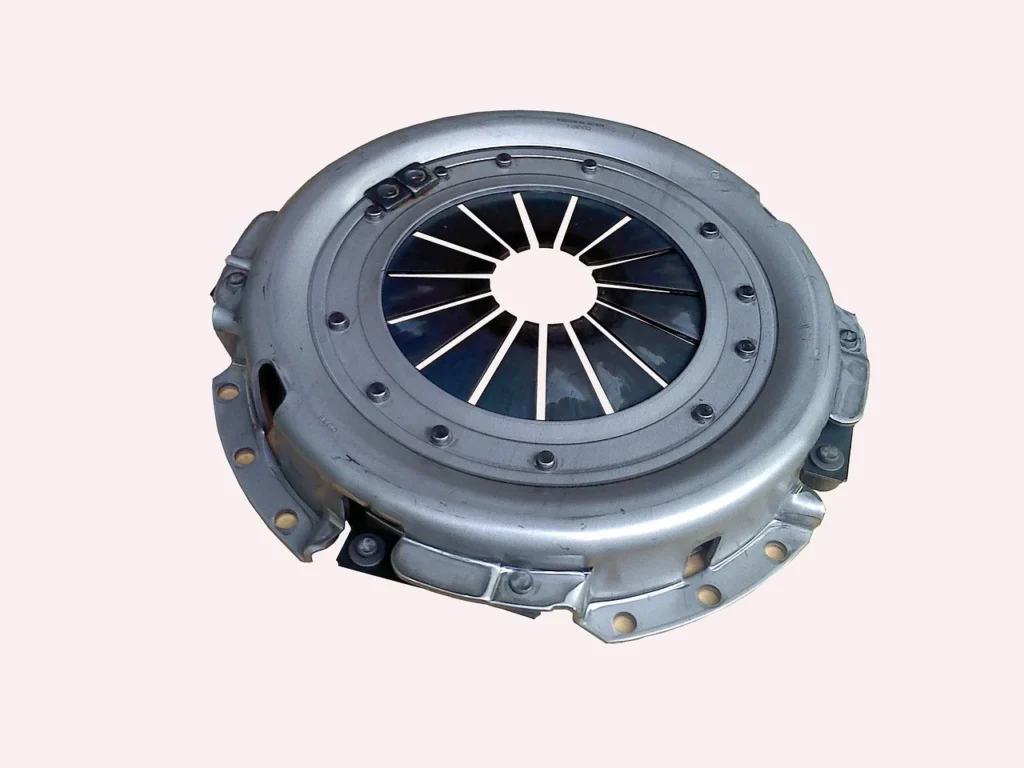
A slipping clutch is one of those faults that creeps up gradually rather than announcing itself all at once. The clearest sign is the engine revving higher than it should for the speed you’re actually gaining, particularly noticeable when accelerating hard or climbing a hill. The clutch plate is no longer gripping fully, so power from the engine isn’t being transferred efficiently to the wheels.
Once it starts, a slipping clutch only gets worse. Catching it early usually means a straightforward clutch kit replacement rather than dealing with a total loss of drive at an inconvenient moment.
Common symptoms to watch for
A slipping clutch tends to show a fairly consistent set of warning signs.
- Engine revs rising without a matching increase in road speed, especially under acceleration
- Struggling to pick up speed on hills even though the engine sounds like it’s working hard
- A burning smell, particularly after hard acceleration or hill starts, from the clutch overheating
- The clutch pedal feeling different, often higher or looser than it used to
- Reduced acceleration generally, even on flat roads, once the wear becomes more advanced
- Difficulty towing or carrying heavier loads without the engine racing unnecessarily
Why it’s worth sorting sooner rather than later
A slipping clutch doesn’t fail gradually forever. At some point it can stop transferring power altogether, leaving you unable to pull away, sometimes without warning. That’s a genuinely difficult and potentially dangerous situation if it happens while joining traffic or on a hill start. There’s also a cost consideration: driving on a slipping clutch generates excess heat that can damage the flywheel and pressure plate, turning a clutch kit job into a larger, more expensive repair.
If you’re noticing revs climbing without matching acceleration, don’t wait for it to worsen before getting it looked at.
What a mechanic checks
Diagnosing a slipping clutch involves a road test to feel exactly how the revs and road speed relate to each other, along with checking the clutch pedal’s biting point and travel. A mechanic will also inspect the clutch cable or hydraulic system, since a fault there can sometimes mimic slipping without the clutch plate itself being worn. Where wear is confirmed, the clutch plate, pressure plate and release bearing are typically replaced together as a full kit, since they wear at a similar rate and replacing them together avoids doing the labour-intensive job twice.
What it typically costs to fix
There’s no cheap fix once the clutch plate itself is worn smooth. A full clutch replacement, which includes the clutch kit and release bearing and requires the gearbox to be removed, typically costs £350-650 depending on the car and whether it’s front or rear-wheel drive. Some higher-performance or four-wheel-drive vehicles cost more due to the extra labour involved in accessing the gearbox.
What happens if you leave it
A slipping clutch does not recover or improve with time, it only gets worse. Continuing to drive on a slipping clutch means less and less power reaches the wheels, and eventually the car will struggle to move at all, often failing completely on a hill start or when pulling away with any load. It’s also more likely to leave you stranded than most other faults on this list, since the failure point is often sudden rather than gradual.
What you can check yourself first
A simple test is to pull away in third or fourth gear at low revs. If the engine revs climb noticeably faster than your road speed increases, that’s a strong sign of slip. Check for a burning smell, similar to hot toast, especially after a hill start or repeated slow-speed manoeuvring, since that’s a classic sign the clutch plate is overheating.
It’s worth noting how many miles are on the clutch, if you know it, since clutches typically last between 40,000 and 80,000 miles depending on driving style, and a clutch that’s slipping well within that range might point toward a different fault, such as a fluid leak in the clutch hydraulics, rather than simple wear.
How a clutch actually transmits power
A clutch works by clamping a friction plate, coated in a material similar to brake pad compound, between the engine’s flywheel and the gearbox input shaft, using spring pressure to hold them together tightly enough that they spin as one unit, transmitting engine power straight through to the gearbox. When you press the clutch pedal, that clamping force releases, letting the engine spin independently of the gearbox so you can change gear smoothly. As the friction material on the clutch plate wears down over tens of thousands of miles, it eventually gets thin enough that it can no longer grip with full force, and the plate begins to slip slightly under load rather than transmitting power completely, which is exactly the fault covered here.
Why revs rising without matching speed is such a reliable sign
This particular symptom is genuinely one of the clearest and most reliable indicators of clutch wear precisely because it’s hard to explain any other way. If the engine note rises the way it does when you accelerate, but the car doesn’t gain speed to match, something between the engine and the wheels isn’t transmitting that power efficiently, and on a manual car with no other obvious fault, a slipping clutch is overwhelmingly the most likely explanation. This is different to a car that’s simply underpowered or struggling for other reasons, where revs and speed still broadly track together, just at a lower overall level than they should.
How driving style affects clutch lifespan
Clutches wear at very different rates depending on how they’re used. Riding the clutch, resting your foot lightly on the pedal while driving, or slipping the clutch deliberately for hill starts or slow manoeuvring, both apply unnecessary wear that a smoother, more decisive clutch technique avoids. Stop-start town driving with frequent hill starts, common in a lot of West Yorkshire’s terrain, genuinely does wear clutches faster than steady motorway driving, which is worth bearing in mind if your clutch seems to be wearing faster than the typical mileage range would suggest.
Why towing and heavy loads accelerate clutch wear
Every time you tow a trailer or carry a genuinely heavy load, you’re asking the clutch to transmit more torque than it handles during normal, unladen driving, and doing this regularly accelerates wear considerably faster than the mileage alone would suggest. If you tow regularly and have noticed clutch slip developing, it’s worth mentioning that usage pattern to a mechanic, since it affects not just how the current wear developed but what to expect from a replacement clutch’s lifespan going forward too.
What to expect during a mobile inspection
A mobile clutch slip diagnosis typically involves a careful road test, checking exactly how revs and road speed relate to each other under various loads, along with checking pedal feel and biting point. Because confirming a slipping clutch doesn’t require specialist ramp equipment for the initial diagnosis, this can be done at your home or workplace, though the actual clutch kit replacement itself, which requires removing the gearbox, is a more involved job that takes a full working day to complete properly.
What you can check yourself before booking
Try the simple test of pulling away in a higher gear than usual at low revs and noting whether the engine revs climb faster than your road speed increases. Check roughly how many miles are on the clutch if you have any service history, since that context helps a mechanic judge whether you’re looking at straightforward wear or something less typical.
Prevention through driving technique
Avoiding riding the clutch, resting your foot on the pedal while driving, and using a decisive, complete clutch release rather than slipping it for longer than necessary during hill starts, both meaningfully extend clutch lifespan. If you regularly tow or carry heavy loads, being aware that this accelerates wear helps set realistic expectations for when a clutch might need replacing compared with the typical mileage figures quoted for average use.
Why clutch wear varies so much between owners
Two identical cars can see wildly different clutch lifespans depending entirely on how they are driven, one owner getting 40,000 miles from a clutch through frequent stop-start town driving and hill starts, another getting 90,000 miles or more from steady, mostly motorway use. This variability is worth keeping in mind when trying to judge whether current wear seems premature, since mileage alone is not always a reliable guide without understanding the driving pattern behind it.
The cost of delaying a confirmed clutch replacement
Once slip has been confirmed rather than just suspected, delaying the replacement rarely saves money and often costs more. Continued slipping generates excess heat that can damage the flywheel surface, and a damaged flywheel sometimes needs resurfacing or replacing alongside the clutch kit, turning what would have been a contained repair into a larger one purely because the original fault was left to progress further than necessary.
A quick final thought: an unusual smell alone without the revs-versus-speed symptom described above is less conclusively a clutch issue and could point toward something else entirely, like an overheating brake, so consider both symptoms together rather than in isolation.
Why clutch slip is rarely covered by warranty on older cars
Clutch wear is generally considered a wear item rather than a manufacturing defect, which means it typically falls outside standard warranty coverage once a car is a few years old, regardless of overall mileage. This is worth knowing upfront so the cost of replacement does not come as an unexpected surprise on top of the inconvenience of the fault itself.
Getting a slipping clutch diagnosed and addressed while it remains a straightforward, contained repair genuinely is the better outcome for both your wallet and your peace of mind on the road, compared with waiting until it fails more dramatically.
Booking a diagnostic as soon as you notice the telltale revs-without-speed pattern, rather than waiting to see whether it worsens, remains the most sensible approach given how unpredictably a clutch can fail once genuine slip has set in.
Many drivers describe a real sense of relief once a slipping clutch has finally been replaced, having grown so used to compensating for the gradual loss of drive that they had almost forgotten what a fully gripping clutch actually feels like to drive.
A clutch that grips properly again transforms how confident and predictable everyday driving feels, particularly on hills and at junctions where slip is most noticeable and most concerning.
Restoring full drive to the wheels is not just about comfort, it genuinely affects how safely and predictably the car responds when you need it to.
Do not wait for a slipping clutch to fail completely before addressing it, since the earlier stage is always the cheaper and safer one to fix.
A short diagnostic visit is a small investment compared with the cost and inconvenience of a clutch that fails completely at the wrong moment.
Booking early genuinely pays off here.
Getting it sorted properly is worth the effort.
SSK Mechanics carries out the diagnosis and the replacement at your home or workplace across Bradford and West Yorkshire, saving you the hassle of a garage visit for a job that takes the car off the road for a day.
SSK Mechanics carries out the diagnosis and the replacement at your home or workplace across Bradford and West Yorkshire, saving you the hassle of a garage visit for a job that takes the car off the road for a day.
When to book vs when it can wait
Mild slipping that only shows up occasionally on steep hills is still worth booking soon, since it will progress. If you’re noticing it regularly, on flat roads, or alongside a burning smell, treat it as urgent, since a full clutch failure can leave you stranded.
The RAC’s drive advice on clutch wear notes that clutch wear tends to accelerate once it starts, making early diagnosis the difference between a routine repair and a breakdown. You can get an instant quote for a Clutch Kit Replacement through our clutch system service before things get worse.
Source: RAC drive advice on clutch wear
Frequently asked questions
How do I know if my clutch is slipping and not something else?
The telltale sign is the engine revving higher than usual without a matching increase in speed, particularly under hard acceleration or on hills, rather than a rough gear change or grinding noise.
Can a slipping clutch fix itself or does it need replacing?
It won't fix itself. Clutch wear is progressive, so once slipping starts it will continue to worsen until the clutch kit is replaced.
How long can I keep driving with a slipping clutch?
It depends on how advanced the wear is, but it's risky to leave it, since a slipping clutch can fail to transfer power altogether without much further warning.