

Despite the symbol, a battery warning light coming on while you’re driving usually points to the charging system rather than the battery itself being at fault. This distinction matters because it changes what’s actually being diagnosed, and misunderstanding it is one of the more common reasons drivers replace a perfectly good battery when the alternator was the real culprit all along.
What this light actually monitors
The battery light illuminates when the car’s charging voltage falls outside its expected range while the engine is running. In a healthy system, the alternator generates power to run the car’s electrics and keep the battery topped up, and voltage should sit within a specific range once the engine is running. If that voltage drops too low, or occasionally rises too high, the warning light comes on, and while the battery itself is what will eventually run flat as a result, the underlying cause is very often the charging system rather than the battery.
How urgent is it
This light generally isn’t an immediate emergency in the sense of needing to stop the car within seconds, but it does mean the battery is currently running on stored charge alone rather than being properly maintained, and that stored charge is finite. Depending on the fault, you may have anywhere from a short distance to a fair few miles before the battery runs down enough to cause other problems, so it’s sensible to head toward help rather than continuing a long journey as normal, and to avoid unnecessary electrical loads like heated seats or a loud stereo in the meantime.
What a mechanic checks
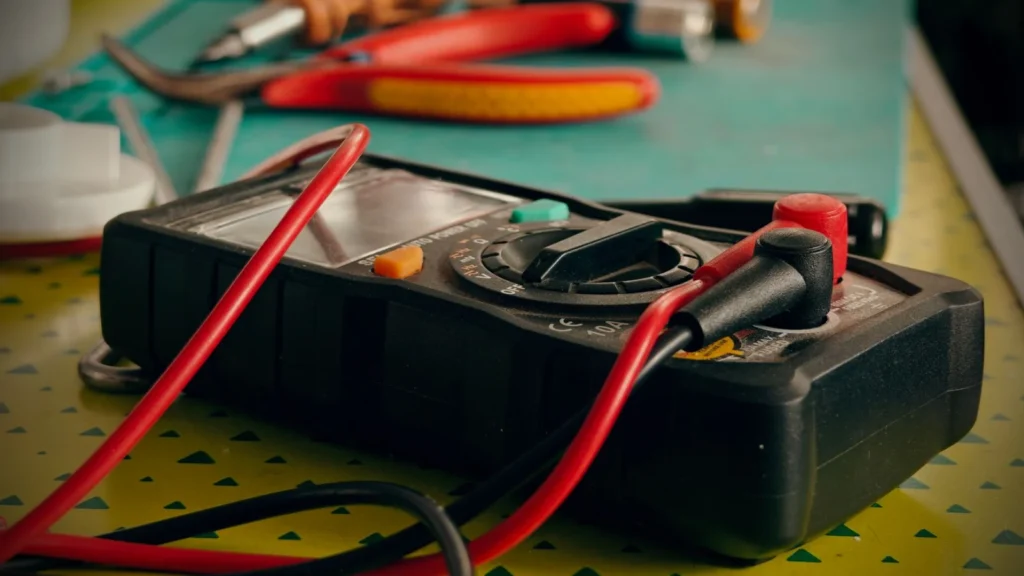
- Charging voltage while the engine runs, at idle and under load
- Battery condition and its ability to hold charge under a proper load test
- Auxiliary drive belt condition and tension, since a slipping belt reduces alternator output
- Alternator output directly, to confirm whether it’s generating power correctly
- Wiring and connections for corrosion or looseness affecting the charging circuit
Why timing matters when this light appears
A battery light that appears briefly during a cold start and clears once the engine settles is generally less concerning than one that stays on consistently throughout a drive, though both are worth mentioning to a mechanic. Noting exactly when the light appears, whether it is constant, intermittent, or linked to specific conditions like heavy electrical use or rough roads that might suggest a loose connection, gives a mechanic considerably more to work with than simply reporting that the light came on at some point.
A mobile diagnostic visit is particularly useful for this fault, since a car with a genuine charging problem risks not starting again if left for too long, making an at-home or at-work check more practical than risking the drive to a garage.
Addressing a charging fault promptly also protects the battery itself from unnecessary strain, since a healthy battery repeatedly run down and recharged by a failing alternator tends to wear out faster than one properly maintained throughout its life.
Dimming headlights at idle that brighten again as engine speed rises is a classic, easily noticed symptom worth mentioning specifically if you report this fault, since it points fairly directly toward a charging system issue.
What happens if you ignore it
Continuing to drive with an unresolved charging fault typically ends with the battery running flat, sometimes stranding you, and in some cases the car losing power steering assistance or other electrically assisted systems as voltage drops too low to run them properly. Running the engine on an undercharged system for an extended period can also shorten the life of the battery itself, even if the battery wasn’t the original fault.
What a mechanic actually checks during a battery light diagnosis
Beyond measuring charging voltage at idle and under load, a thorough assessment checks the auxiliary belt’s condition and tension directly, since a worn or slipping belt reduces how effectively the alternator can spin and generate charge even when the alternator itself is mechanically sound. The technician will also check for excessive electrical drain when the car is parked and switched off, since this can compound a marginal charging fault by leaving less reserve charge in the battery to begin with each time you start the car.
How this compares with a genuinely failed battery
A battery that’s simply old and reaching the end of its natural life, tested and confirmed to be failing its own load test independently of the charging system, is a different and generally more straightforward situation than a charging fault, even though both can eventually leave you with a flat battery. A proper diagnostic sequence testing both components separately, rather than assuming either one based on the light alone, is what actually identifies which applies to your specific situation.
Why this warning sometimes appears intermittently
A charging fault linked to a loose or partially corroded connection can produce a warning that appears and disappears depending on vibration, temperature, or how recently the connection was last disturbed, which makes it one of the more frustrating faults to catch during a brief static test. Mentioning any pattern you’ve noticed, whether it’s worse over bumpy roads or only appears after the car has been running for a while, gives a mechanic genuinely useful additional information.
Why battery age matters even when the alternator is healthy
A battery nearing the end of its typical three to five year working life is inherently less able to buffer against minor charging irregularities than a newer one, meaning a marginal alternator issue that a fresh battery might tolerate without symptoms can push an ageing battery into visibly struggling. This is worth bearing in mind if your car is due a battery replacement anyway, since addressing both together sometimes makes more practical sense than treating them as entirely separate issues.
Frequently asked questions
Can I keep driving if the battery light comes on only briefly at startup? This pattern is often less concerning than a light that stays on throughout a drive, though it’s still worth mentioning at your next service, since it can be an early sign of a developing fault worth catching before it worsens.
Will jump-starting the car fix a charging fault? No, a jump start only gets the engine running again temporarily, and without addressing the underlying charging issue, the battery will simply run down again over the following drive or two.
How this compares with a starter motor fault
It’s worth distinguishing a charging fault, which affects the battery while driving, from a starter motor fault, which affects your ability to start the engine in the first place. A car that starts fine but the battery light appears and stays on while driving points toward the charging system specifically, while a car struggling to start at all, especially from cold, points toward either the starter or a battery already run down by a separate charging issue.
Why this warning sometimes appears only under heavy electrical load
A marginal alternator might cope adequately with basic running but struggle once headlights, heating, and other accessories are all drawing power simultaneously, particularly at idle or low engine speed where the alternator itself is spinning slower and generating less output. If you’ve noticed this light appearing specifically when several electrical systems are running together, this pattern is genuinely useful information worth sharing during diagnosis.
Why addressing this promptly protects more than just convenience
Beyond the obvious inconvenience of a flat battery, continuing to drive on a failing charging system risks the car losing power steering assistance as voltage drops too low to run electrically assisted systems properly, which is a genuine safety consideration beyond simply being stranded, particularly if it happens while manoeuvring or in traffic.
Why keeping jump leads in the car is sensible but not a long-term solution
Carrying a set of jump leads or a portable jump starter is a genuinely sensible precaution for any car owner, but it’s worth being clear with yourself that using them successfully after a battery light appears is a temporary fix, buying you time to get to a proper diagnosis, not evidence that the underlying charging fault has resolved itself.
A final word on this warning specifically
Given how often this specific warning gets misdiagnosed as a simple battery replacement when the alternator is the real culprit, insisting on a proper charging system test, rather than accepting an assumption based on the light alone, genuinely protects your wallet as much as your peace of mind.
What to mention when booking a battery light check
Describing whether the light is constant or intermittent, and whether you have noticed dimming headlights or other electrical symptoms, gives a mechanic genuinely useful context before testing even begins.
Booking a Battery & Charging System Health Check promptly remains the most reliable way to avoid replacing the wrong component.
A closing thought on this particular warning
Given how often this specific light gets misread as a simple battery problem, insisting on a proper charging system check protects you from an unnecessary, ineffective repair more than with almost any other warning covered here.
Book a proper charging system test today rather than guessing at a battery swap.
Why mobile diagnostics suit this particular fault well
Since a car with a genuine charging fault risks not starting again if left too long, a mobile assessment at your home or workplace is often more practical than risking a drive to a garage that the battery might not have enough charge left to complete.
A note on cars with a separate battery for start-stop systems
Some vehicles with start-stop technology use two batteries working together, and a fault isolated to one of these can trigger warnings that look identical to a conventional single-battery charging fault, which is worth mentioning if your car uses this dual-battery setup.
A note on aftermarket stereo and lighting installations
Aftermarket stereo systems, additional lighting, or dash cams wired directly into the electrical system all add extra demand on the charging system, and a marginal alternator can struggle specifically once these accessories are added, worth mentioning if your car has any aftermarket electrical accessories fitted.
A note on seasonal battery testing
Having your battery and charging system tested each autumn, ahead of the demands winter driving places on both, is a genuinely sensible piece of seasonal maintenance that catches marginal faults before the coldest mornings expose them fully.
A little seasonal foresight here genuinely avoids a stressful, cold morning surprise.
A note on aftermarket dash cams left recording while parked
A dash cam left recording continuously while the car is parked draws a small but continuous current from the battery, and combined with a marginal charging system, this can meaningfully worsen a developing fault, worth mentioning if you use this kind of accessory regularly.
Small habits like this add up to genuinely better long-term battery and alternator health.
A note on booking this ahead of a long winter drive
A charging system check ahead of a long winter journey, when heating, lights, and screen demisting all draw more power simultaneously, catches a marginal alternator before it leaves you stranded somewhere considerably less convenient than your own driveway.
Booking this today, rather than waiting for a cold morning to prove the point, is genuinely the sensible order to do things in.
Peace of mind on a cold winter morning is worth far more than the small cost of a proper check beforehand.
Do not wait for the worst possible moment to find out your charging system needed attention.
Book today.
A properly maintained charging system is one less thing to worry about on any journey.
A charging system that is checked once a year, as part of a normal service, rarely causes a breakdown. The alternator, battery and drive belt are cheap to inspect and expensive to ignore, and most roadside call-outs for a dead battery could have been avoided with a five-minute test at the last service.
If your battery light has come on, it’s worth having the whole charging system properly checked rather than assuming the battery alone needs replacing. See the RAC’s electrical fault advice for more background, then book a Battery & Charging System Health Check with SSK Mechanics.
Frequently asked questions
Does the battery light mean I need a new battery?
Not necessarily. It often points to a charging fault, such as a failing alternator, rather than the battery itself, so a proper test is worth doing before replacing either part.
How far can I drive with the battery light on?
This varies depending on the fault and how much charge the battery is holding, so it is sensible to head toward help rather than continuing a long journey as normal.
Can a slipping belt cause the battery light to come on?
Yes, a worn or slipping auxiliary belt reduces how efficiently the alternator can charge, which can trigger this warning even with a healthy alternator.
What should I avoid doing if this light comes on?
Avoid unnecessary electrical loads like heated seats, a loud stereo, or extra lighting, since these draw more from a battery that is not being properly recharged.